Posts Tagged ‘collage’

new year, new art, new approach

Monday, January 7th, 2019

“The most interesting paradox of creativity: in order to be habitually creative, you have to know how to prepare to be creative, but good planning alone won’t make your efforts successful; it’s only after you let go of your plans that you can breathe life into your efforts.”
— Twyla Tharp

“You take what you know, you take things you are comfortable with, and you throw them into a situation of new things, of things you are uncomfortable with, and, all of a sudden, new connections happen. And then your goal as a creative must be: of having the skill to carry it home without breaking it.”
— Christoph Niemann
 

Brandon Long is making a name for himself as an assemblage artist in Kentucky. He manages to juggle this with being a blogger, an active volunteer, and his full-time role as an outstanding family man. On top of that, he holds down a challenging, “multi-hat” position at our local Community Arts Center. This past autumn, his request to exhibit at their annual winter invitational arrived like clockwork: show the public an entirely new work, no jury evaluation, just put something at the leading edge of your creativity on display. There can’t be a single regional artist receiving that call who doesn’t value it as a rare opportunity.

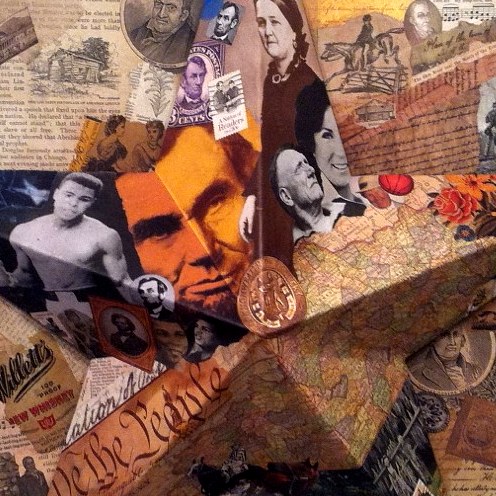
I’d been thinking for much of last year about another immersion into larger works — not always a comfort zone for a self-described “miniaturist.” Add to that several months of recovery from a knee injury which limited my standing time. I reckoned I was overdue for a boost in the scale of my studio work. When it came time to plunge in, I realized it also was the perfect chance to reassess my current methodology. I wanted to explore a way of developing an abstract composition that was different for me. Could I combine and balance both a rational and non-rational process? By now, I had more than a decent foundation in each, but had never fused them in as mindful a manner as I considered possible. It didn’t turn out to be complicated at all, and yet it was a new approach for me, after more than twelve years as a dedicated collage practitioner.
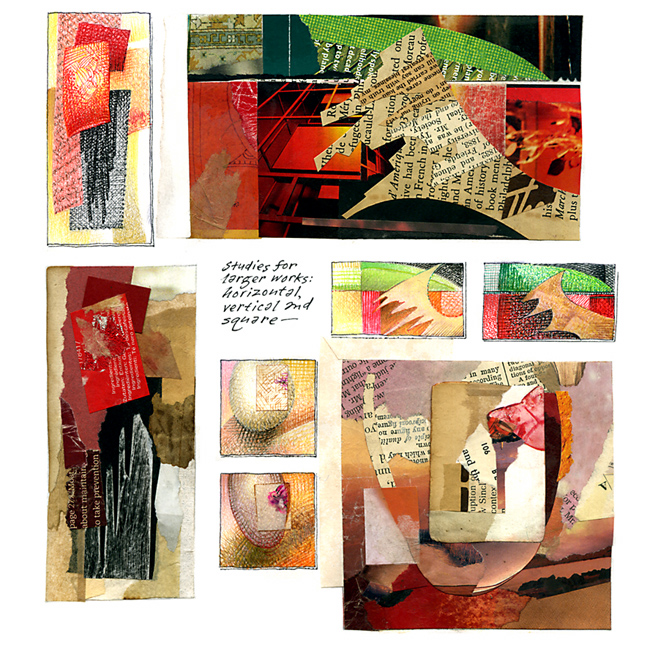
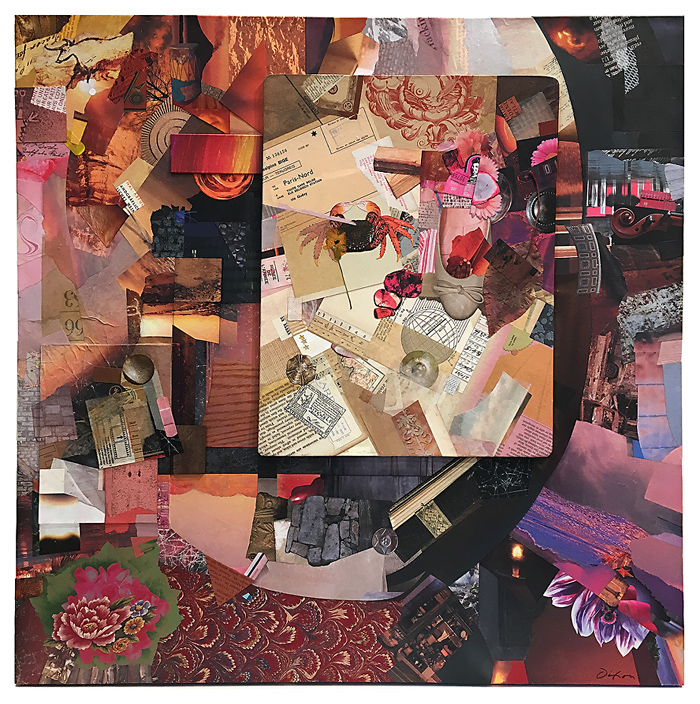
Deciding to make three works at horizontal, vertical, and square proportions, I began with thumbnail concepts in my journal, moving from tiny doodles, to color sketches, and from there to rough collage miniatures. The activity was deliberate, but I tried to hold it at an intuitive level. After that, I moved to the typical task of preparing the “stretchers,” although nothing would be fabricated from scratch. I found a nearly fifty-year-old, unpainted canvas in remarkable shape. I stretched Pellon® fabric over a discarded picture frame. I paid almost nothing at a flea market for a castoff “student-esque” painting that needed some reinforcement, its canvas re-stretched, plus lots of primer. After sorting categories of available paper scrap into flat boxes, I was ready to explode into routine sessions of Merz assembly, with an occasional reference back to my preliminary ideas. When probing to the heart of intuition like this, a collage artist stumbles upon strange dynamics. For instance, there are times when you’ll ignore an emotion that says “this doesn’t belong,” only to press on and discover that it totally “works” with the next layering of ingredients. Perhaps this is more characteristic of collage maximalism than collage minimalism. I would accept that fully, but it’s fascinating to remain aware of the “joust” between whether to trust feelings or trust pure impulse, and to discern the difference. Finally, there came a point when I introduced the hard evaluation of a visual critique, before finishing with intentional refinements — and even that final stage allows for spontaneity.
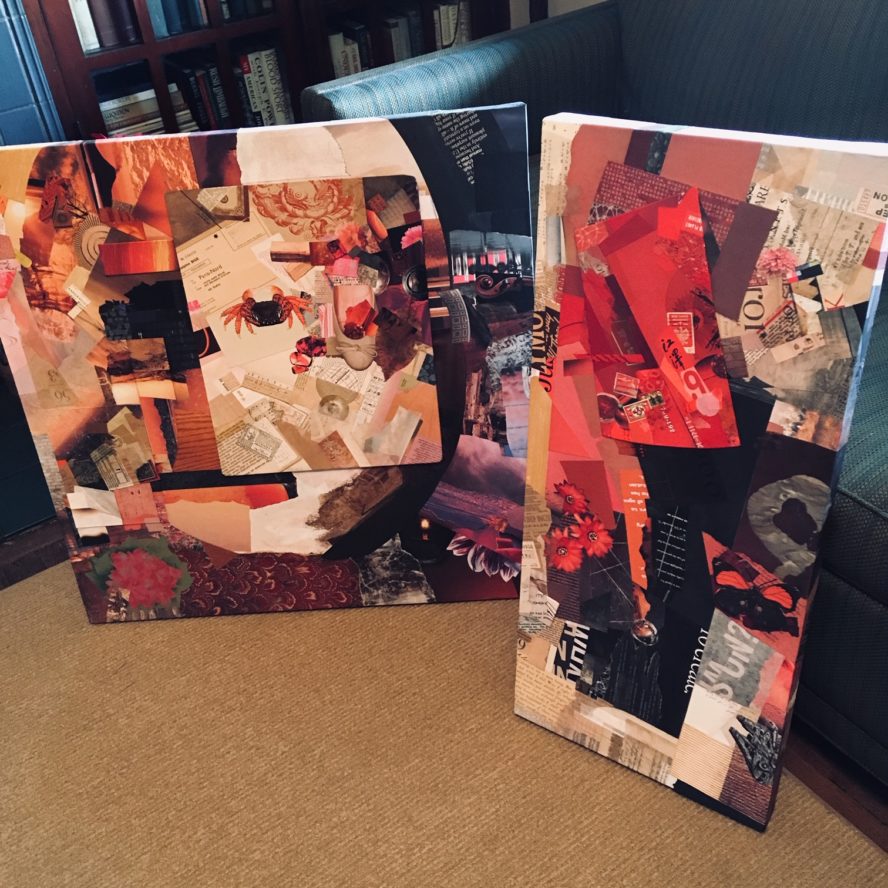
It’s not always easy to know when a piece is done, and maybe it never really is. Eventually, an artist has to claim victory and sign the damn thing. I ended up delivering two works to the Center for the “New Year New Art” show, and let Brandon pick one that fit best. It was the square, the one I called Harmonic Squall.

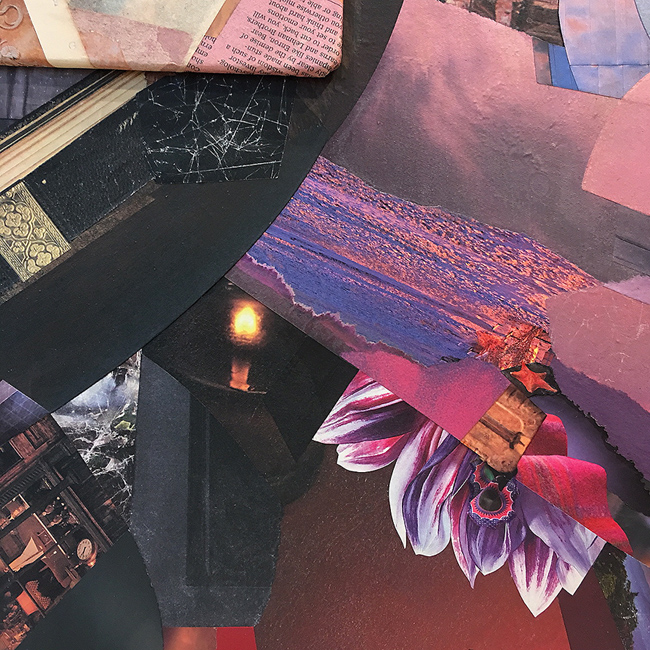
Please give these four details your scrutiny. Let me know what you think, and, if you find yourself in the area, attend our opening reception this Friday evening. It’s always the first good party after New Year’s Eve!
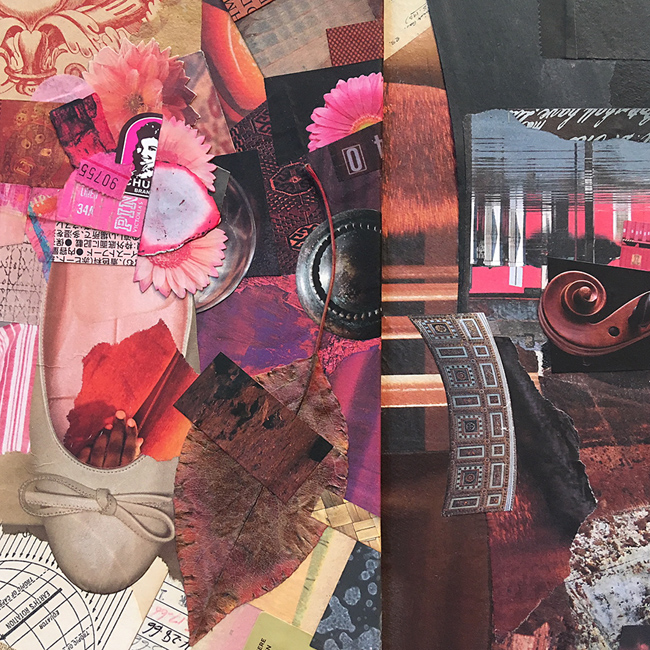
 

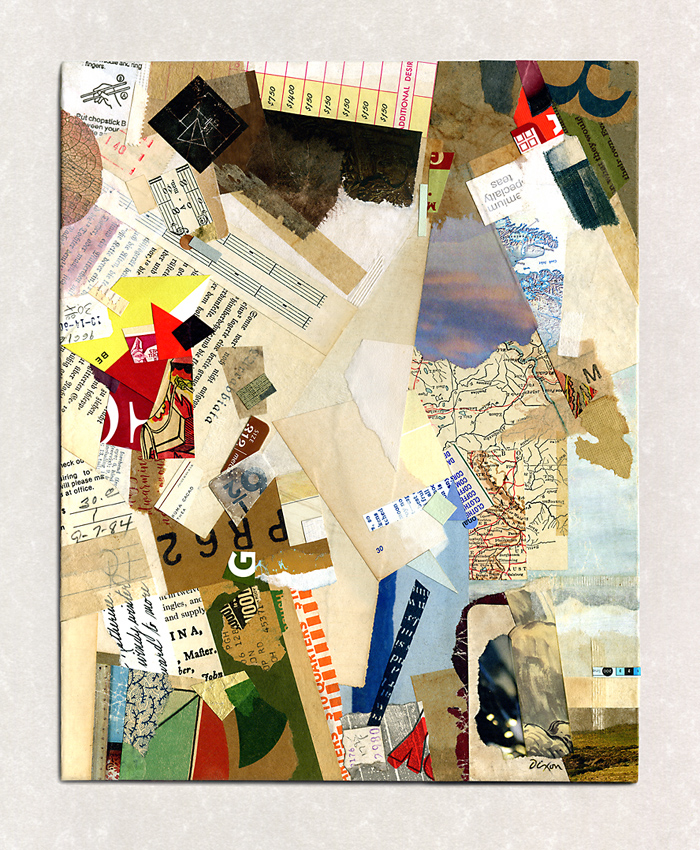
Harmonic Squall (detail) ~ collage on canvas by J A Dixon     Harmonic Squall (detail) ~ collage on canvas by J A Dixon

Harmonic Squall (detail) ~ collage on canvas by J A Dixon     Harmonic Squall (detail) ~ collage on canvas by J A Dixon

four
details
from
Harmonic
Squall

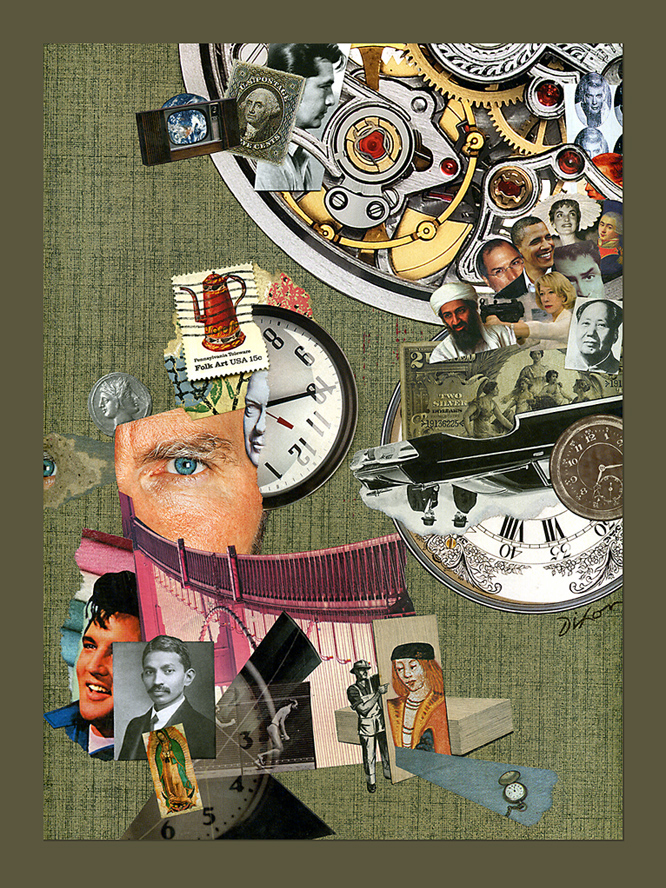
Harmonic Squall ~ collage on recycled canvas by J A Dixon

Harmonic Squall
collage on recycled canvas by J A Dixon
26 x 26 inches
available for purchase
 
Purchase this artwork.

a timely ‘Cup of Kindness’ to all . . .

Monday, December 31st, 2018


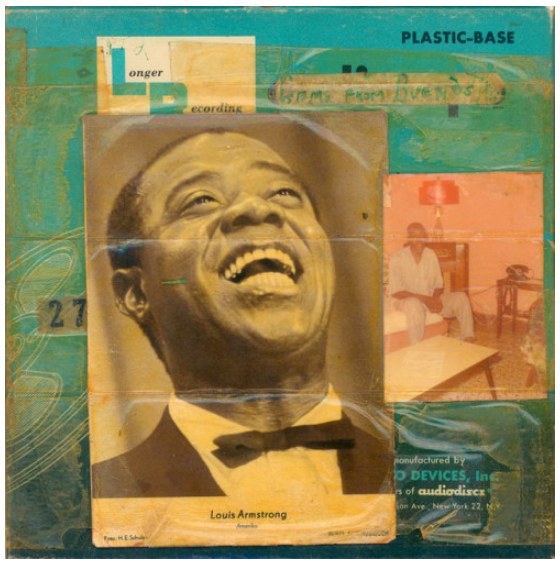
Keeps On Slippin
collage artwork by J A Dixon
10 x 13.5 inches
 
Purchase this artwork.

A gallery talk about plein-air collage . . .

Friday, October 5th, 2018

“The most important thing a painter can do is find
a good place to sit.”
— J.E.H. MacDonald
 

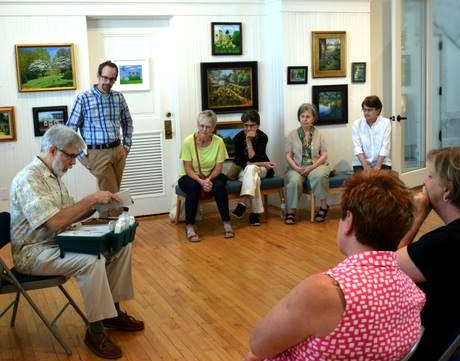
As many of you already know, my warm-season activity was sharply curtailed by a mishap that diverted much energy into healing a traumatized left knee. As a result, I was unable to take advantage of the many “art-outs” organized by our Plein Air Artists of Central Kentucky. However, I took part in their annual exhibition and was invited to make remarks at a recent “gallery talk” and describe the plein-air collage kit that I assembled last year. Here is an excerpt from my presentation:

“One of the nicer things about the art-out gatherings is knowing that someone has volunteered to find a great setting, and to arrange all the details with the hosts. So, there you are, arriving at a new location filled with possibilities. Personally, I find that it’s important to not spend too much time selecting a spot to sit, even though, in my mind, the entire enterprise rests upon that decision. I want the act to be part of the overall intuitive process to which my day is pledged. For example, at Cambus-Kenneth Farm, it was tough to avoid squandering valuable minutes, since there were barns, ponds, pastures, an impressive Italianate home, and many remarkably preserved 18th- and 19th-century brick outbuildings, including an icehouse, springhouse, and slave quarters. To keep the inertia, I decided I needed to crop the setting like a photographer, using a viewing card with square window. It was a rare treat for our group to be offered the opportunity to wander among the paddocks and historic structures in such a serene environment, but a plein-air artist is on a mission, the sun does not pause, and there is no room for indecision. If an artist wants to cultivate self-trust and forward momentum in technique, a regular plein-air challenge is the way to do it.”


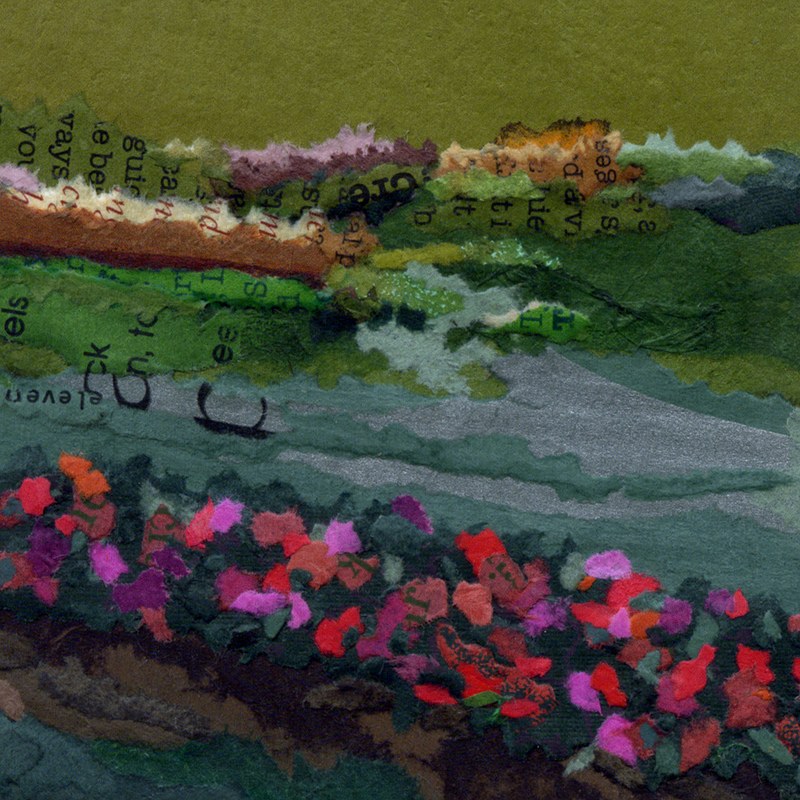
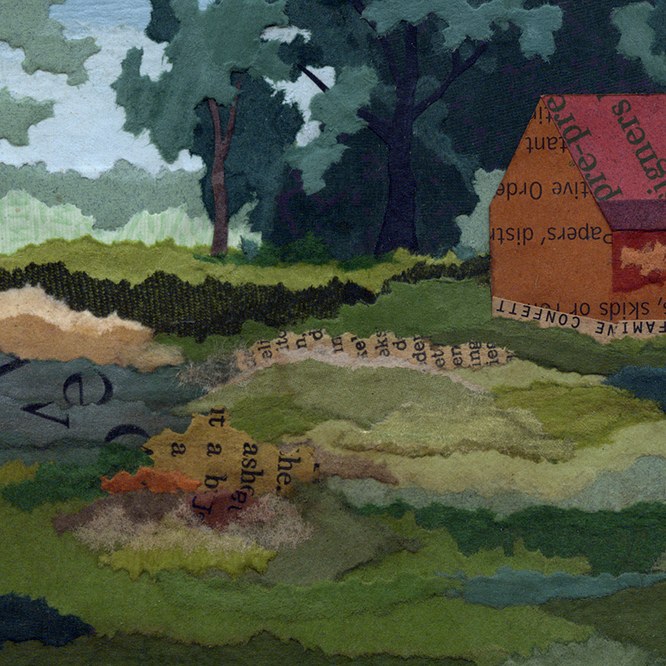
(above) details from plein-air collage artworks by J A Dixon

(below) the artist describes his plein-art collage kit at a recent gallery talk


Nothing foul in sight . . .

Saturday, September 29th, 2018

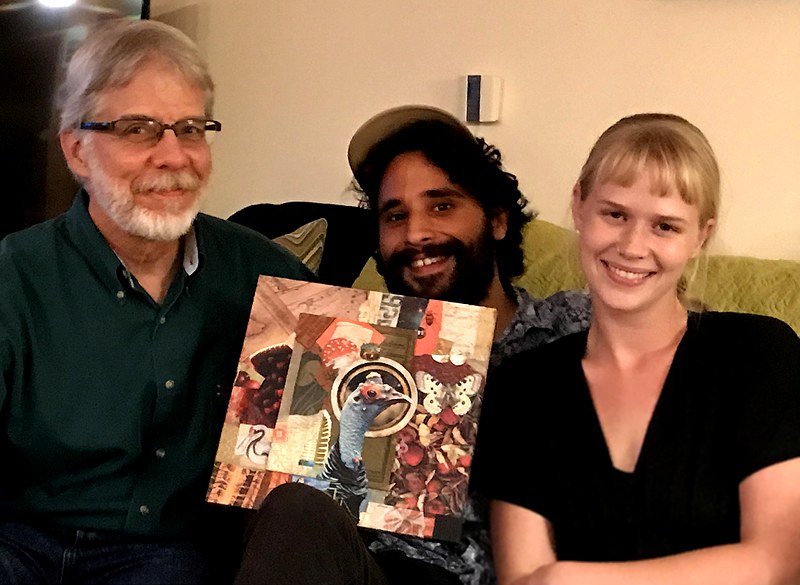
Newlyweds + Gift Art  —  If you frequent this site, you know that there are many different categories of collage. If anyone finds a more rewarding one than this, I want to know about it!


Fowl Language
collage on structured panel by J A Dixon
11.5 x 11.25 inches
private collection

Caroni: Vexing Trifles

Tuesday, September 4th, 2018

 
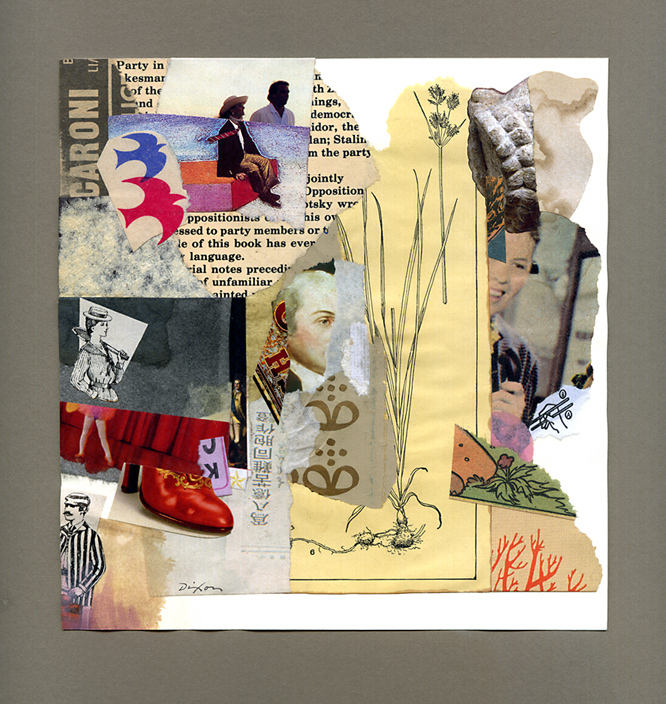
Caroni: Vexing Trifles ~ a collage experiment on paper by John Andrew Dixon

Caroni: Vexing Trifles
collage experiment on paper by J A Dixon
6.75 x 7 inches
 
Own this experiment.

Precursors have precursors

Tuesday, August 21st, 2018

“We do not analyze works of art because we want to imitate them or because we distrust them.”
— Paul Klee
 

The other day the world learned about an unpublished Ernest Hemingway short story. If there had not been a Mark Twain first, would literature know Hemingway’s writings at all? Could there have been an Isaac Asimov, Stan Lee, or Gene Wolfe without a Verne or Burroughs? The J.K. Rowling body of work without an Austen or Tolkien? Similarly, all of today’s rock music can be linked to direct influences — to bands such as Ramones, Led Zeppelin or the Beatles, which, of course, had their own precursors. Would jazz exist in its current form without the innovations of Armstrong and all those who inspired him? Imagine a contemporary musician saying, “I really haven’t paid attention to any music that was recorded before I started to play.” And yet, not infrequently, collage artists will boast that they have little use for art history (all the breakthroughs of bygone creators who dug the swimming pools in which they now frolic).

It is argued that modern artists were the first to decide that visual art would be about art, rather than subject matter. Nonsense. Art has always been about art, because it always has been structured on prior foundations. The idea that any artist can burst on the scene as an original is absurd. Nobody who comes out of early childhood with any level of awareness has not built an inventory of perceptions — countless images from the culture around them. Each of these individual influences involved creative activity based on another bank of stimuli, and so forth, back to the first proto-human who picked up a piece of charcoal to make interesting marks on a stone (and was probably knocked on the head by another who judged the action as irrelevant to group survival).

Perhaps I have belabored my point. Perhaps it is a point that anyone who reads this would not need emphasized in the first place. Isn’t it obvious to us that no art form is more about all these churning influences from untold visual decision makers — painters, printers, illustrators, photographers, designers — than the medium of collage itself? So, let us all continue to study the collage artworks of the explorers who came before us, to trace the direct lineage of their concepts and techniques, to recognize that valuable inheritance in the work of our peers, as well as in the composition taking shape on the surface before us, and then, fully informed, to push confidently into the second century of collage.
 

Tranquil Ode (to Merz) ~ collage homage by John Andrew Dixon ~ Danville, Kentucky ~ Kentucky Crafted Mixed Media Artist

Tranquil Ode (to Merz)
collage homage by J A Dixon
9.5 x 11.875 inches
 
Purchase this artwork.

Collage and the Art of Humor

Tuesday, August 14th, 2018

“Against the assault of laughter, nothing can stand.”
— Mark Twain

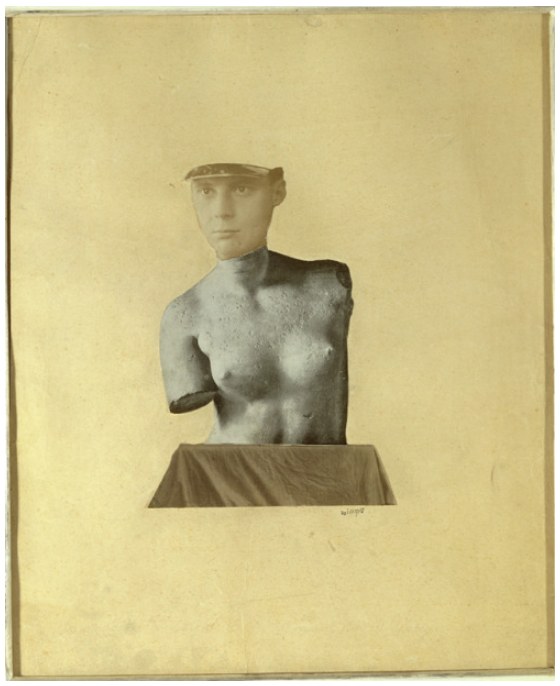
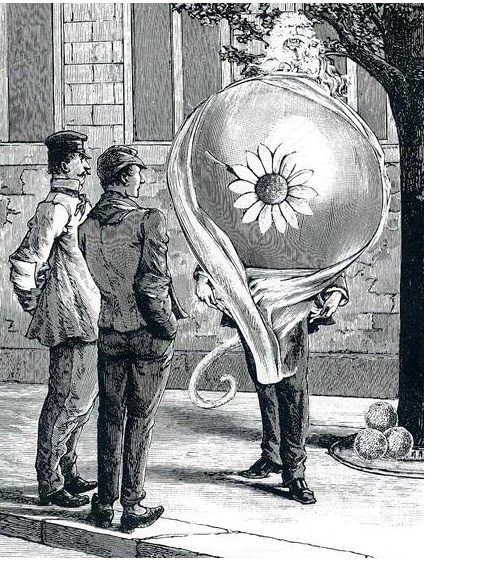
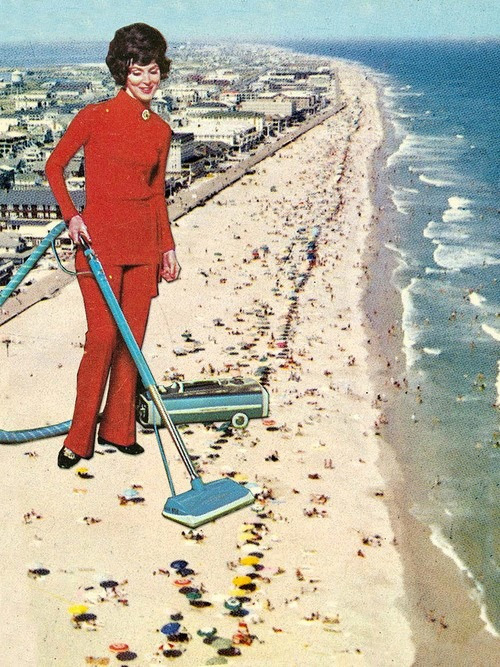
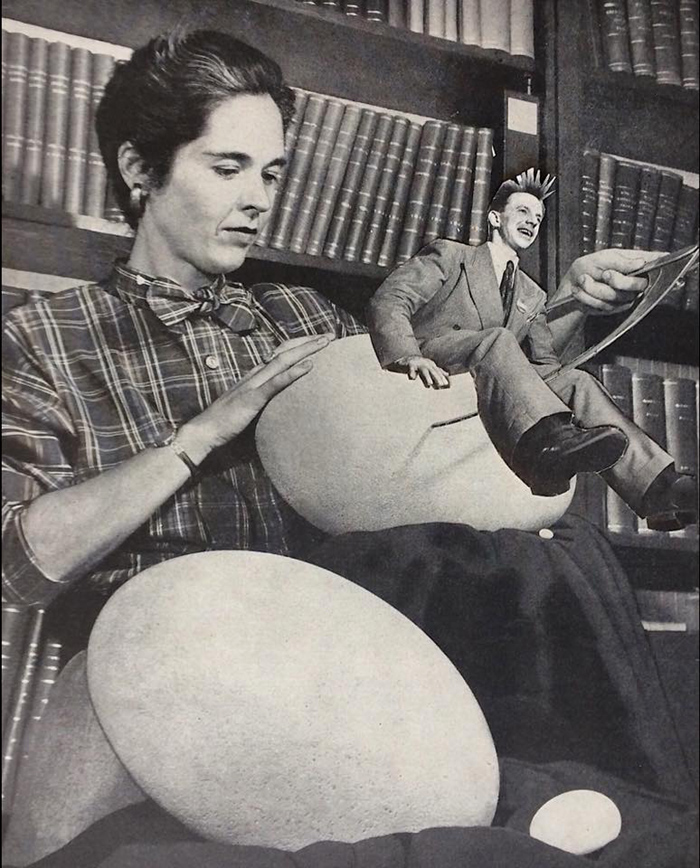
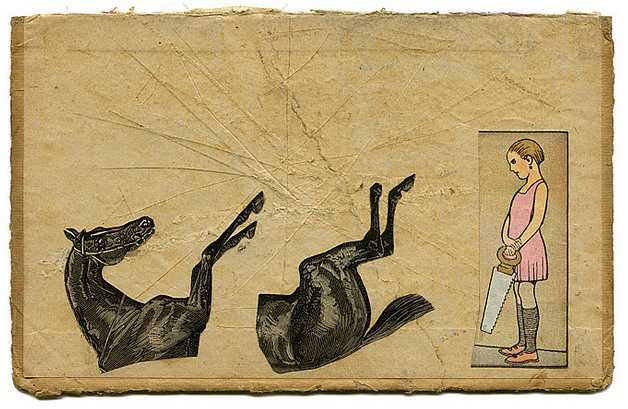
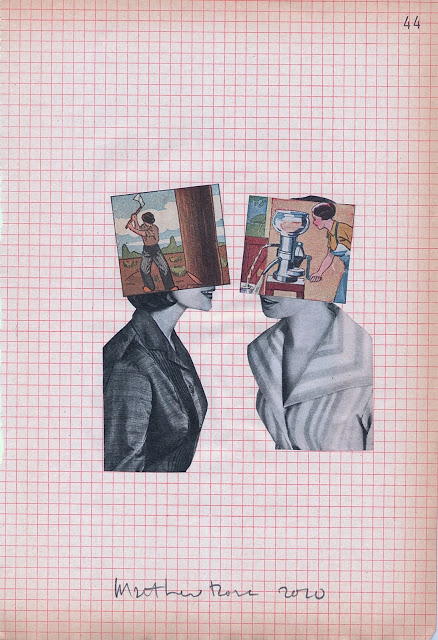
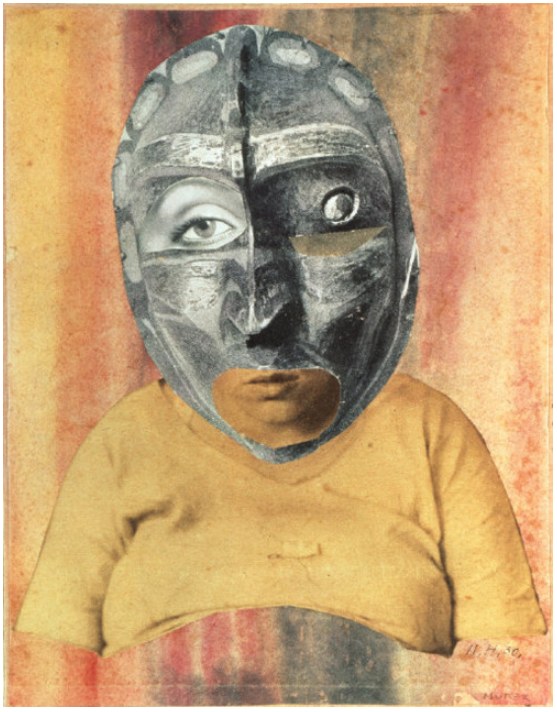
The evolving medium of collage betrayed its sense of humor from the outset, over a hundred years ago. There are countless variants of humor — satire, sarcasm, incongruity, hyperbole, mild irony, outright farce — to cite merely a few. Most, if not all, have presented themselves in a collage format during the tumultuous century that followed. From my point of view, the humor we may find in Dada and Surrealism are byproducts of the movements’ overarching goals. But, we might ask, was the avant-garde intending to be funny at times, or were they deadly serious about weaponizing shock value as a visual tactic, bequeathing any laughs to those of us who would arrive many decades later? On the other hand, how can poking fun at established traditions and ideologies not be classified as humor? I welcome the thoughts of all readers who have chuckled at the work of Hannah Höch, or sensed dark amusement in a Max Ernst composition. Even when outrage from a target group is the primary objective, a subversive artist also may be hoping to elicit a humorous response from those of like mind. As we know, humor, like beauty, rests in the eye of the beholder.

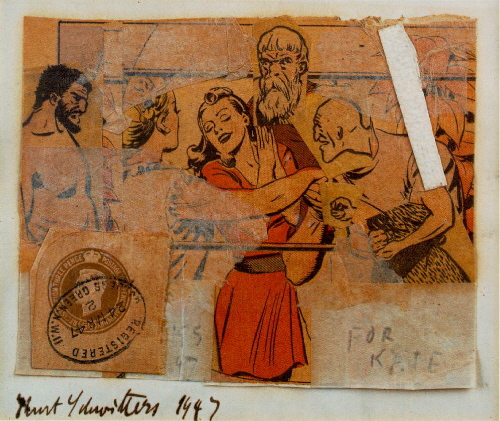
Eduardo Paolozzi created his whimsical Bunk! collage series in 1947. During that same year, Kurt Schwitters, with the bulk of his far-reaching breakthroughs behind him, displayed his acknowledged sense of humor when he created “For Kate.” Both were envisioning the coming thing — Pop Art (Popism) — a movement to throttle the contemporary scene some 20 years later. Steve Martin got it right when he explained, “Chaos in the midst of chaos isn’t funny, but chaos in the midst of order is.” Did Mark Twain anticipate a Mel Brooks and how the art of stimulating laughter could enable a towering denunciation of fascism? Are there times when creativity’s greatest power is best unlocked with a joke?

Now indulge me as I feature a few examples of humor in collage from artists that have touched my funny bone. I must admit that this subject brings to mind Terry R Flowers, perennial wit in the art form. It would be too easy to fill a screen with an array of his artistic wisecracks, especially in his role as veteran collaborator with Robert Hugh Hunt.

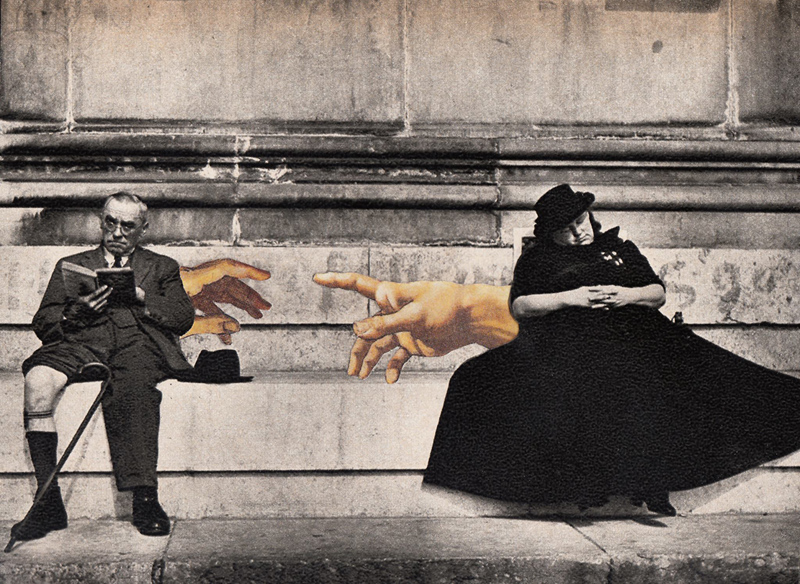
Some of these practitioners rely on a minimalist, juxtapositional approach — a sort of comedic “one-liner” — while others evoke a wry quality with a more complex effect. Perhaps nothing is more subjective than humor, so let them speak for themselves.

You’re encouraged to bring others to my attention, and I’ll prepare a follow-up entry!
 

Eugenia Loli

Susan Ringler

Dani Sanchis

Matthew Rose

Bob Scott

Sato Masahiro

Sabine Remy

Raul Ruzzene

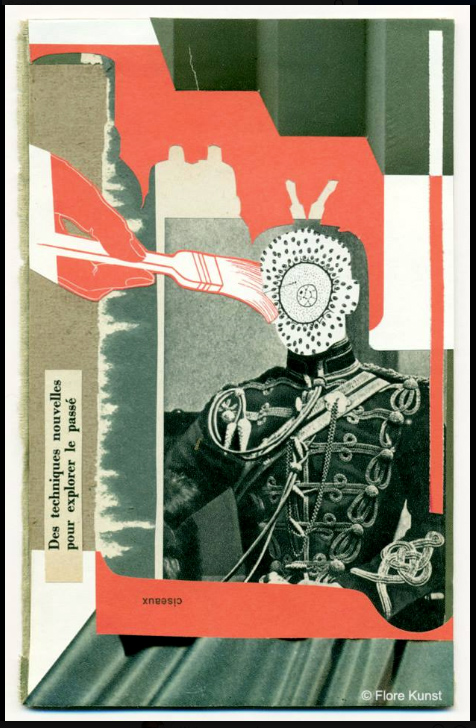
Flore Kunst

Terry R Flowers

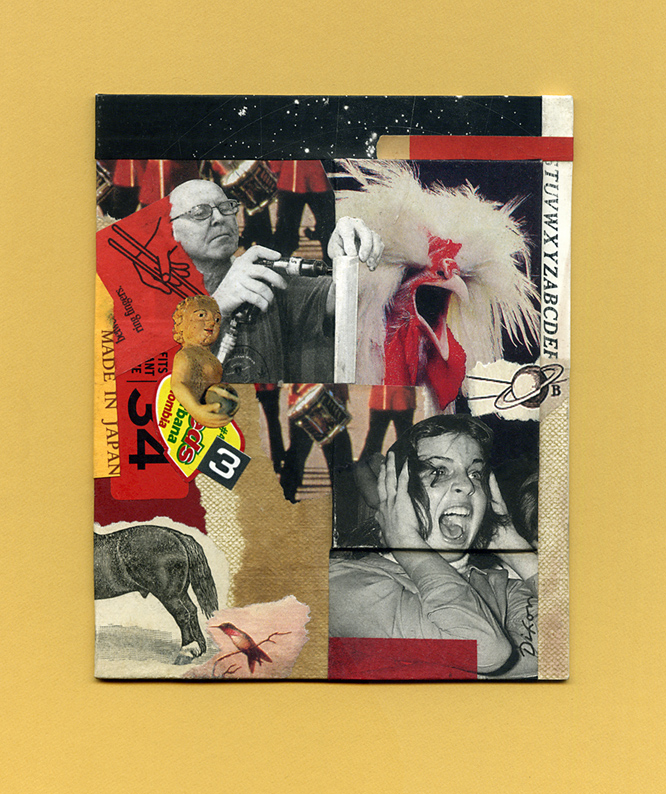
Drill Instructor ~ J A Dixon

John Andrew Dixon ~ buy now

Governor’s Derby Exhibit, 2018

Thursday, May 17th, 2018

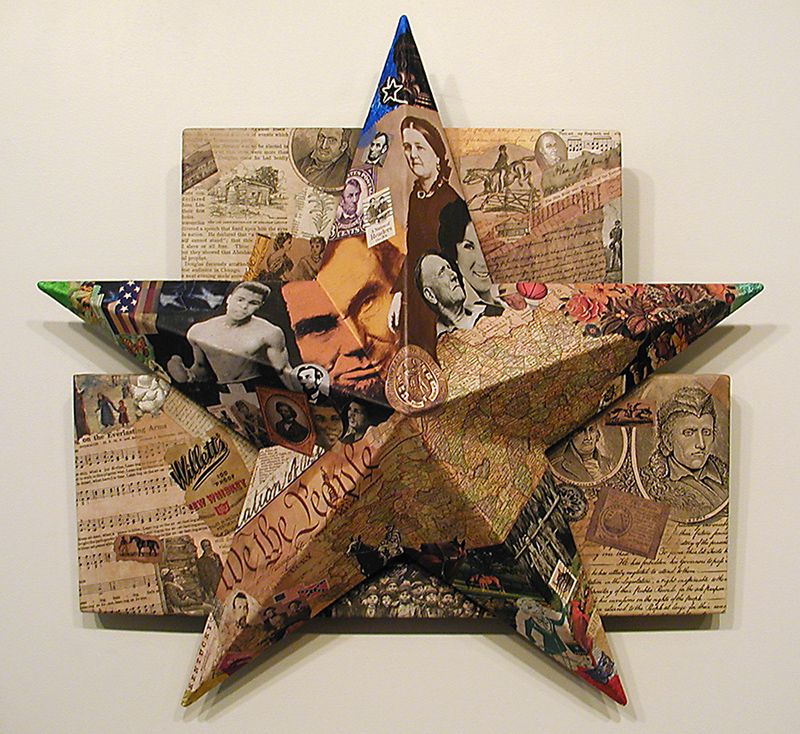
My 3D collage from last summer, Star of Commonwealth, is currently on display as part of the Governor’s Derby Exhibit titled Reflections of the Commonwealth. It is an honor to have my artwork chosen and, reportedly, positioned near the door to the Governor’s offices. Yes, it’s a cool thing, if I do say so myself. The Kentucky-themed piece was created as part of the 225th birthday celebration for our Bluegrass State. I have yet to replenish my stash (hint, hint, wink, wink) that would enable me to do another similar artwork. The annual initiative coordinated by the Kentucky Arts Council is on view in Frankfort at the Capitol Rotunda through June 4th.
 
detail from ‘Star of Commonwealth’ ~ collage construction by John Andrew Dixon, Danville, Kentucky

Star of Commonwealth (detail)
mixed-media collage construction by J A Dixon
22 x 21 x 6 inches
available for purchase
Silk Road Guardians

Sunday, May 13th, 2018

“We have had 6,000 years of history with the horse and only 100 with the automobile.”
— Gloria Austin
 

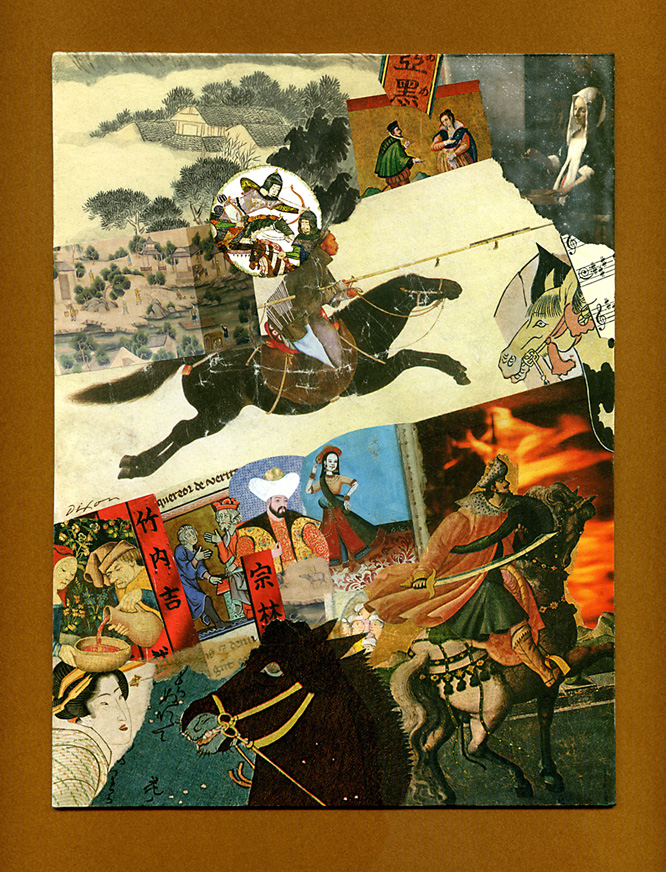
In the spirit of my preparations for the Derby Celebration, I finished the next miniature in the Silk Road Series. It, too, carries an equine theme and provided me a perfect opportunity to hone my technique for an “apparently seamless” impression when combining a rich tangle of ingredients. There are times when one wants to convey that each element is a distinct part of the composition, and at other times to disguise their individual identity, working with larger visual quantities and textures formed by a composite of scrap.
 
Silk Road Guardians ~ collage miniature by John Andrew Dixon ~ Danville, Kentucky ~ Kentucky Crafted Mixed Media Artist

Silk Road Guardians
collage miniature by J A Dixon
7 x 9.375 inches
on consignment
 
Purchase this artwork.
The Governor’s Derby Celebration, 2018

Sunday, May 6th, 2018

“The Kentucky Derby is a time-honored tradition, and so, too, is our celebration of work by Kentucky artists.”
— Kentucky First Lady Glenna Bevin
 

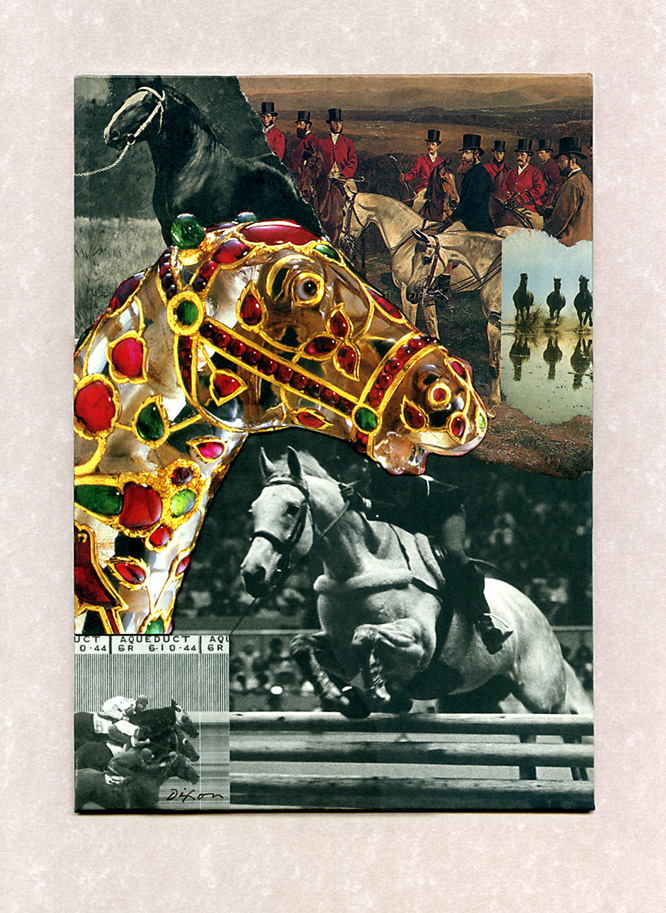
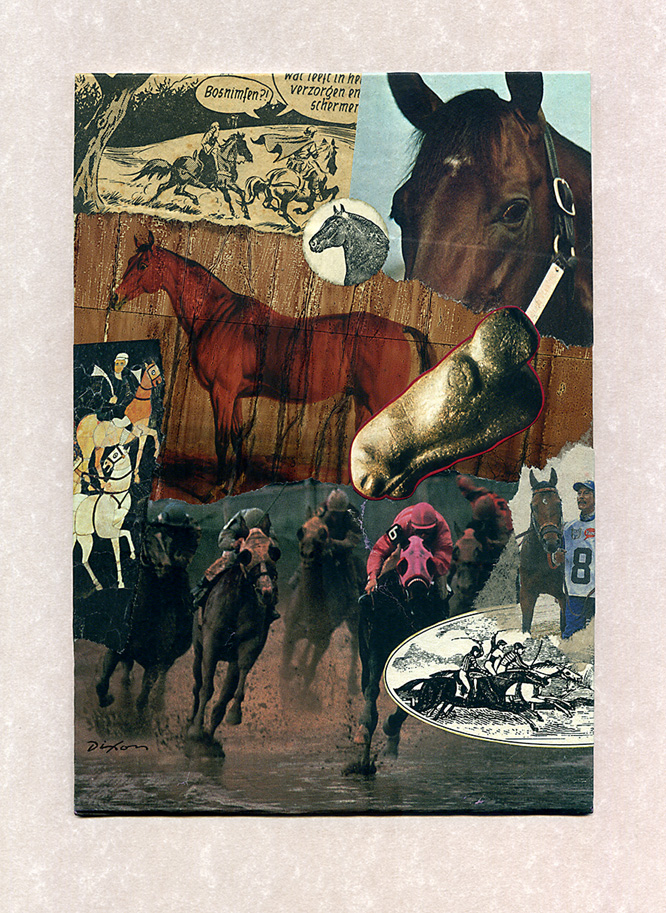
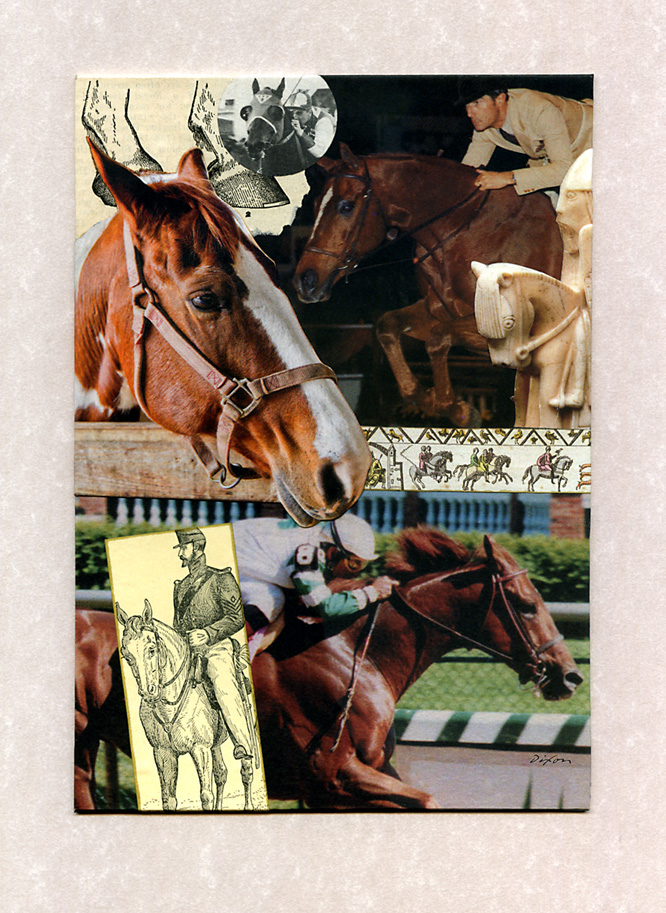
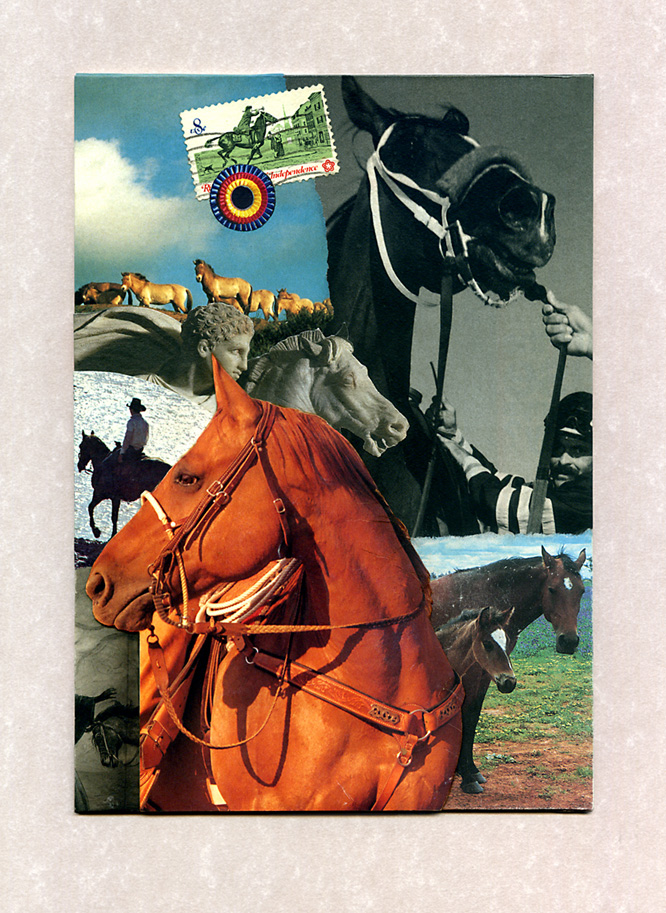
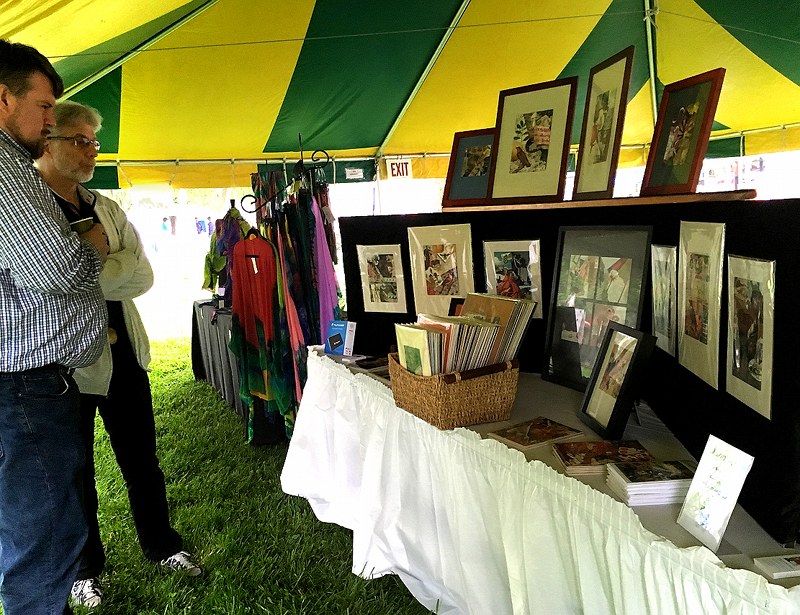
It was a privilege to be among sixteen Kentucky artists selected to exhibit and sell their work during the Governor’s Derby Celebration yesterday on the lawn of the Old State Capitol in Frankfort. It was my first opportunity to participate in something limited to adjudicated members of the Kentucky Arts Council’s Kentucky Crafted program. The day started with such miserable weather that I wondered if anyone would show up, but I was surprised at how many came and enjoyed themselves at the rain-or-shine event. Kentuckians really do support everything with a connection to the Derby! In the spirit of all things horse, I created four collage improvisations with equine scrap. Please let me know what you think!


(clockwise from top)
Horseplay with Photo Finish – (buy now)
Horseplay with Pink Silks – (buy now)
Horseplay with Palomino Stare – (buy now)
Horseplay with Hunter Seat – (buy now)

four collage miniatures by J A Dixon
5.5 x 7.75 inches each

(below) the artist at the Old Capitol grounds
in Frankfort with his Kentucky Crafted display

 
JAD with a visitor to his Derby Celebration display at the Old Capitol grounds in Frankfort, Kentucky


Various and Sundry Scraps ~ No.1

Thursday, April 26th, 2018

Don’t we all want to be Cecil when we grow up?
There was a time when Merz was deemed degenerate.
Destruction of the Merzbau and the human toll in Hannover.
Kurt Schwitters and his fellow artists in captivity.
How synthetic cubism led to collage as a modern art.

Thanks to The Kurt Schwitters Society for sharing several of these links.