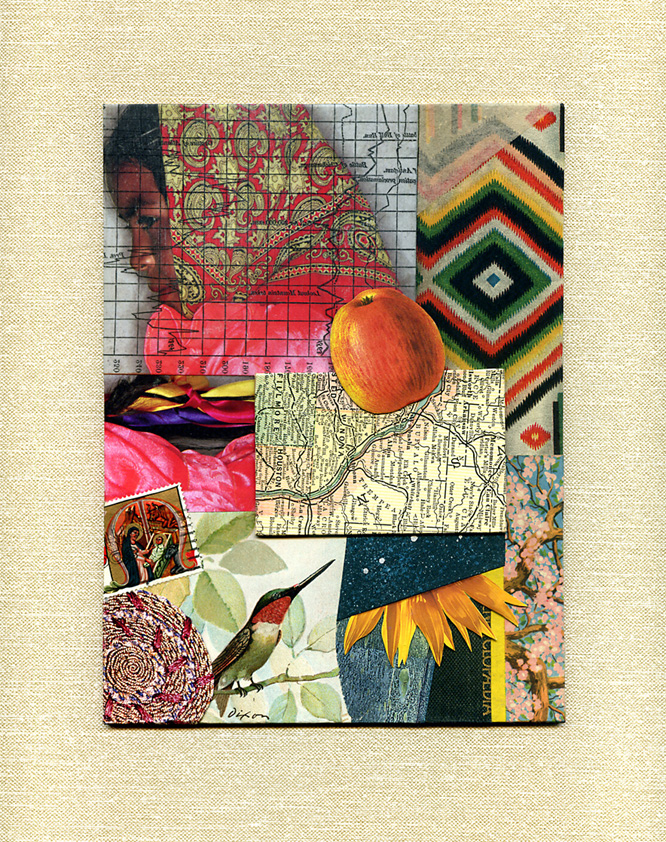
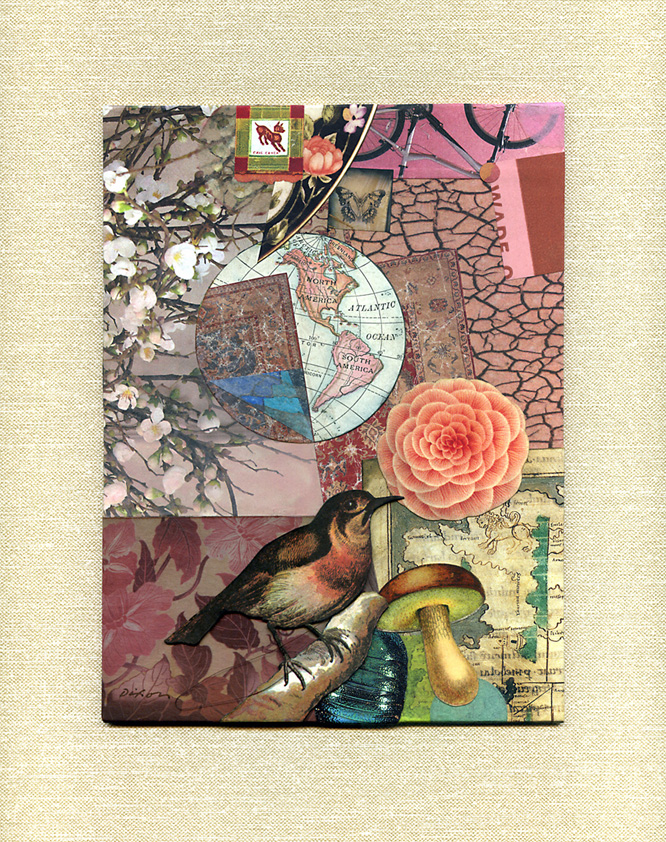
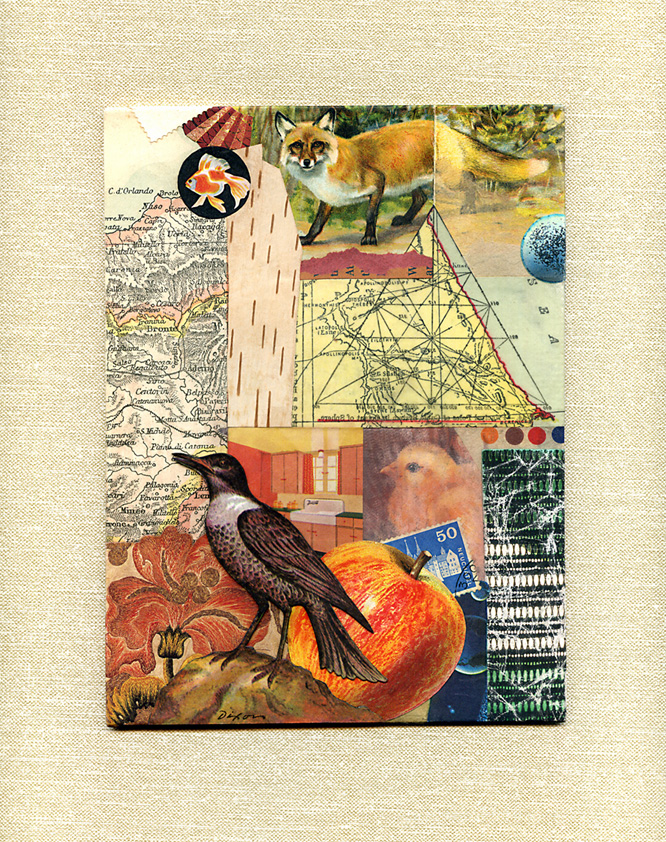
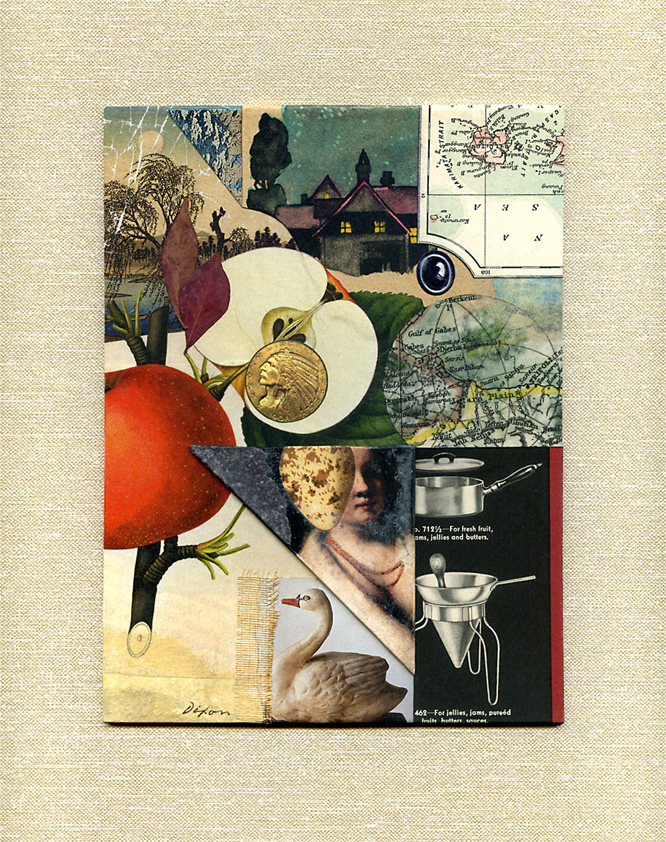
Horizontal note cards now available

December 15th, 2016

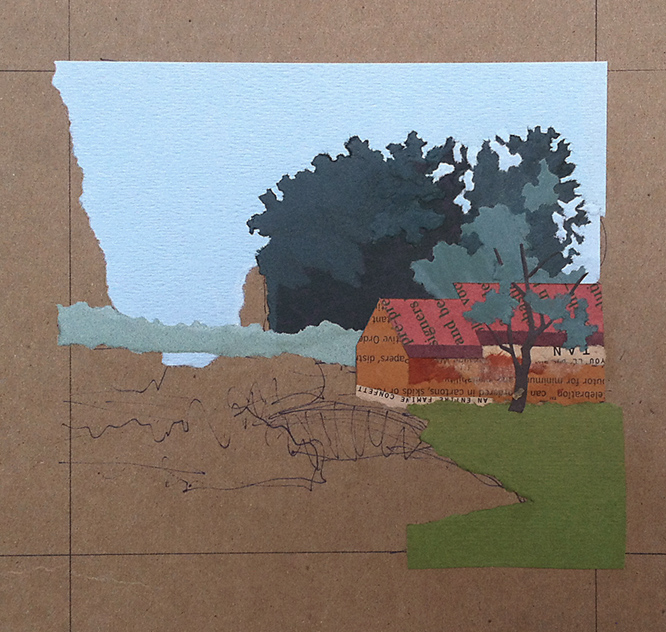
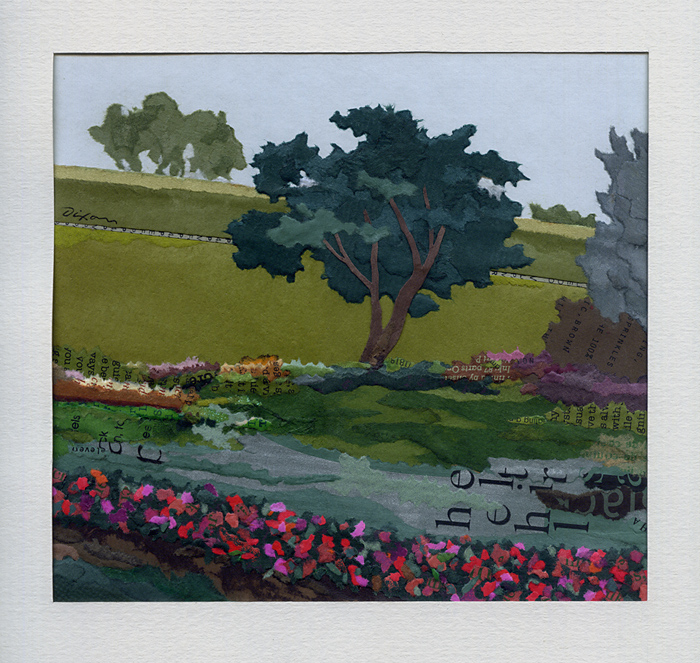
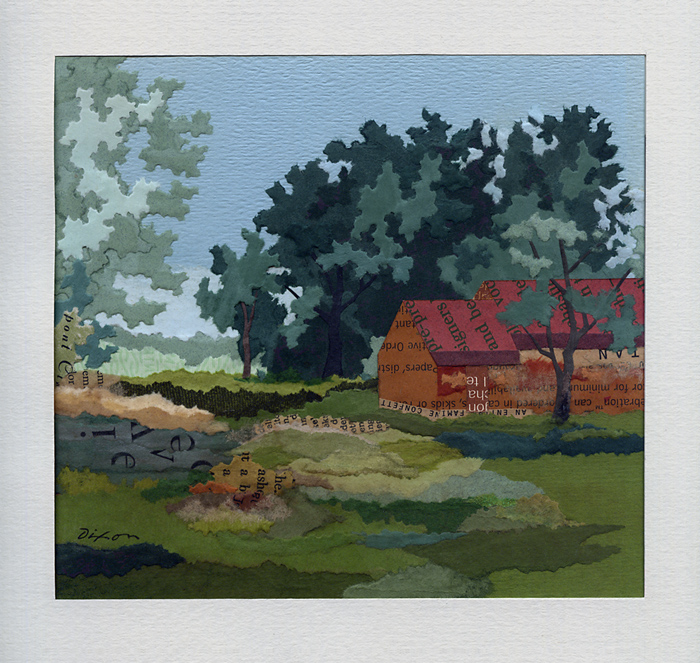
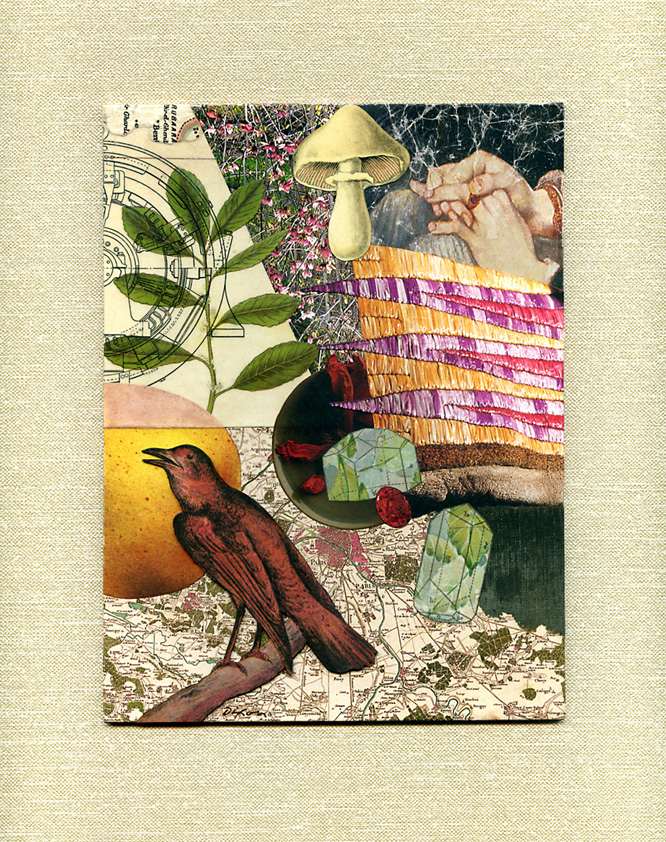
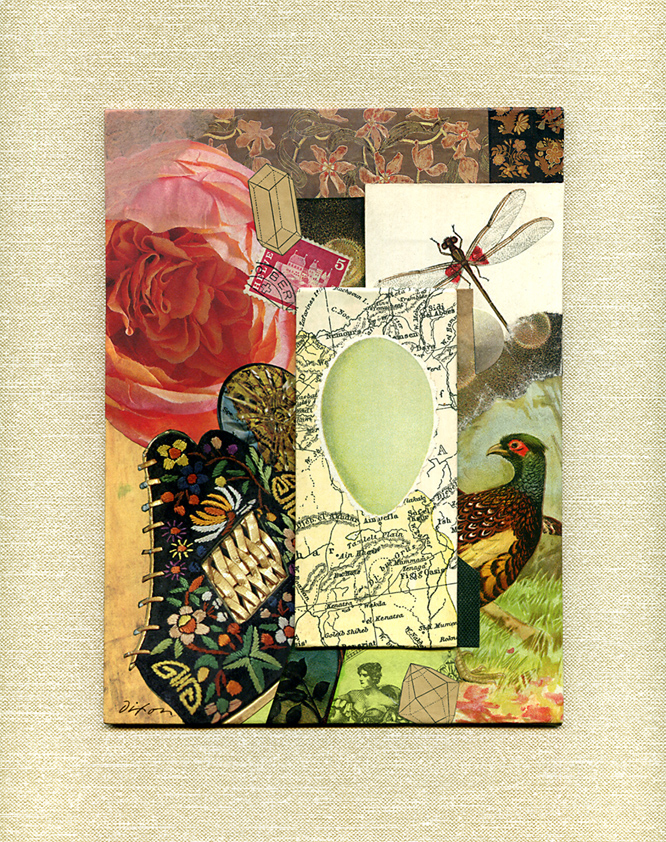
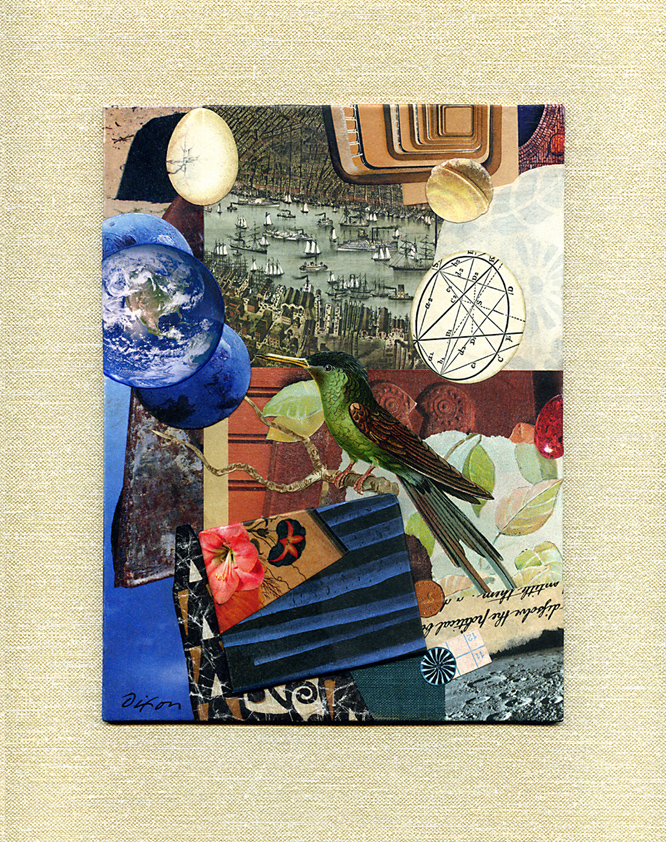
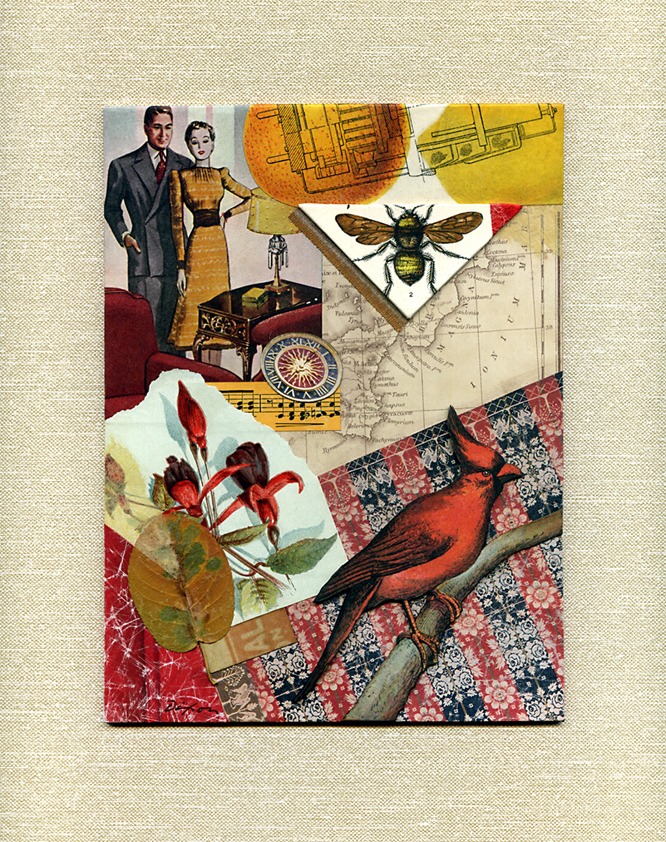
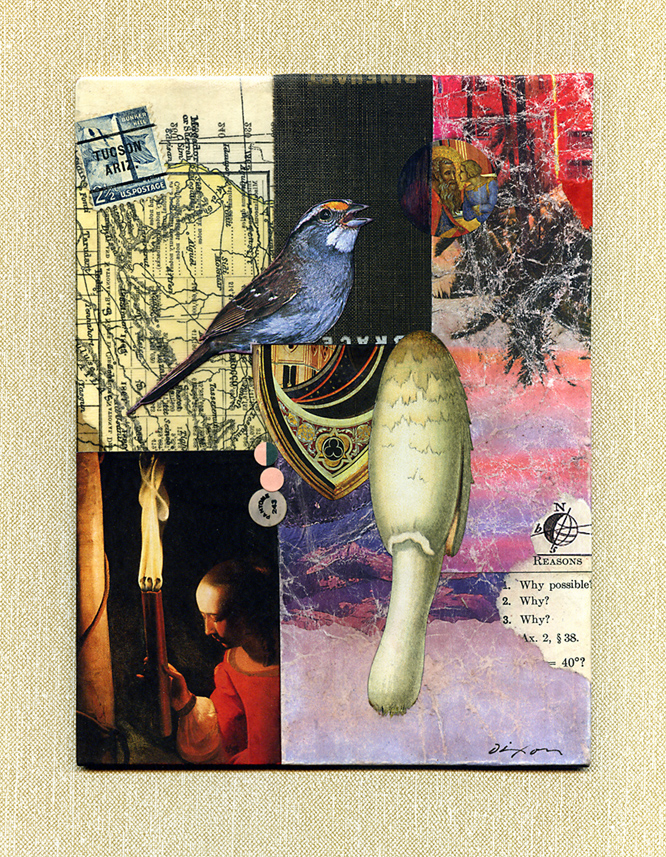
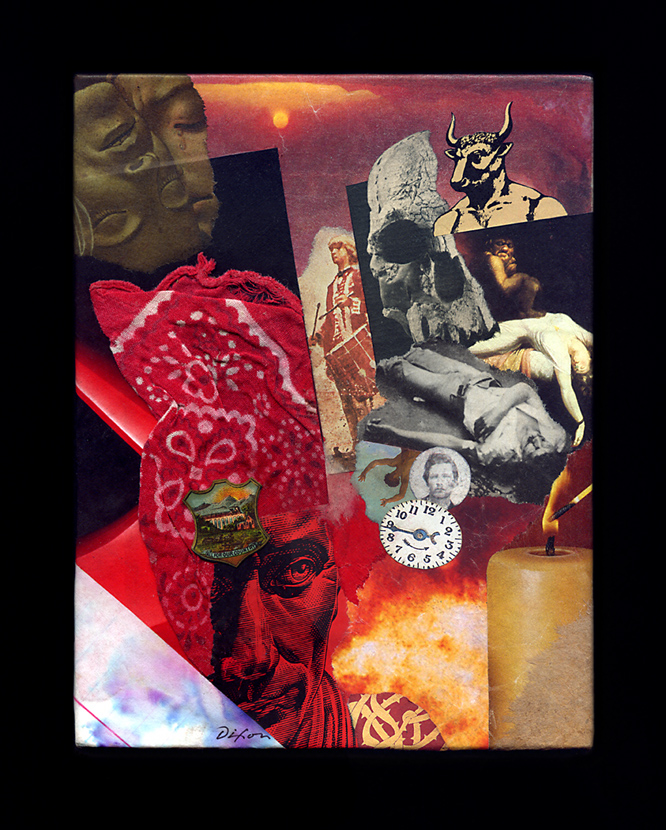
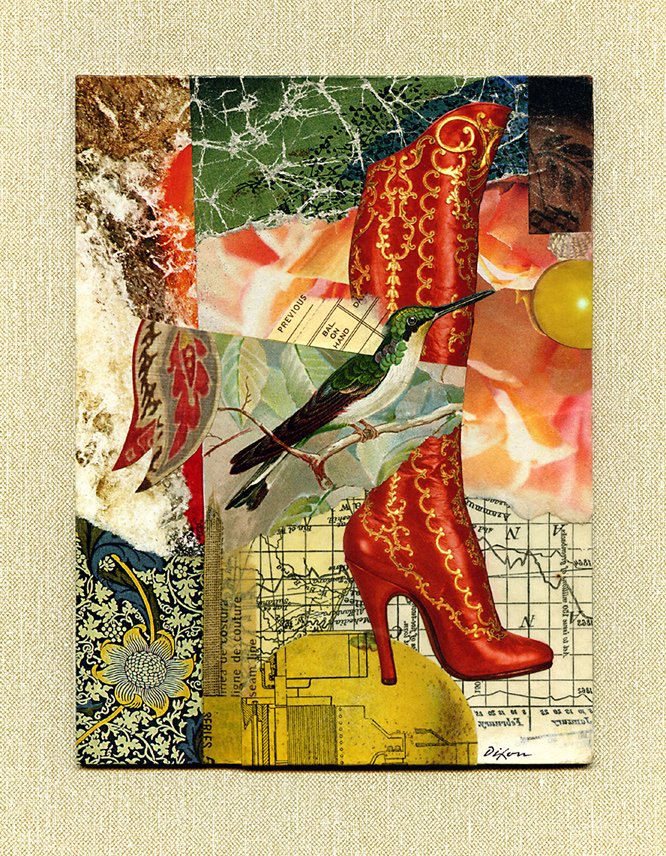
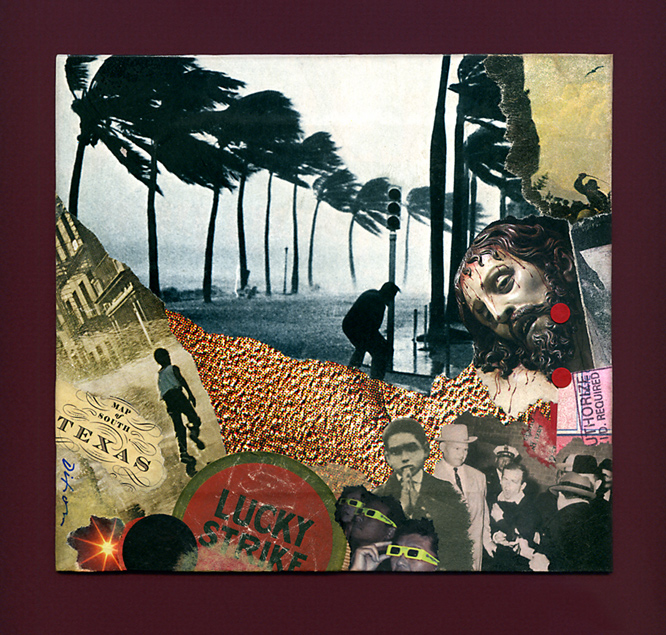
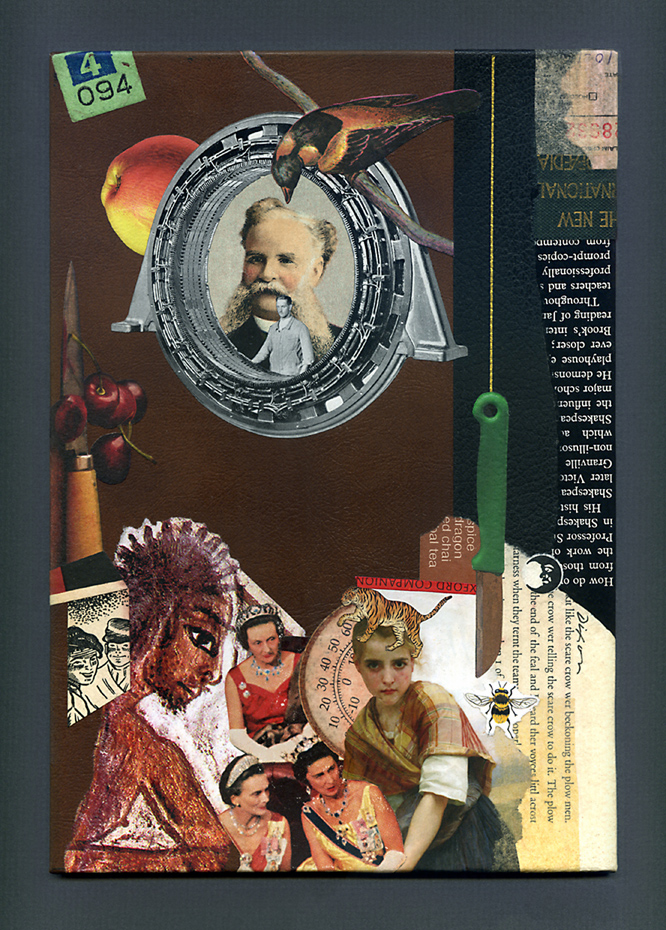
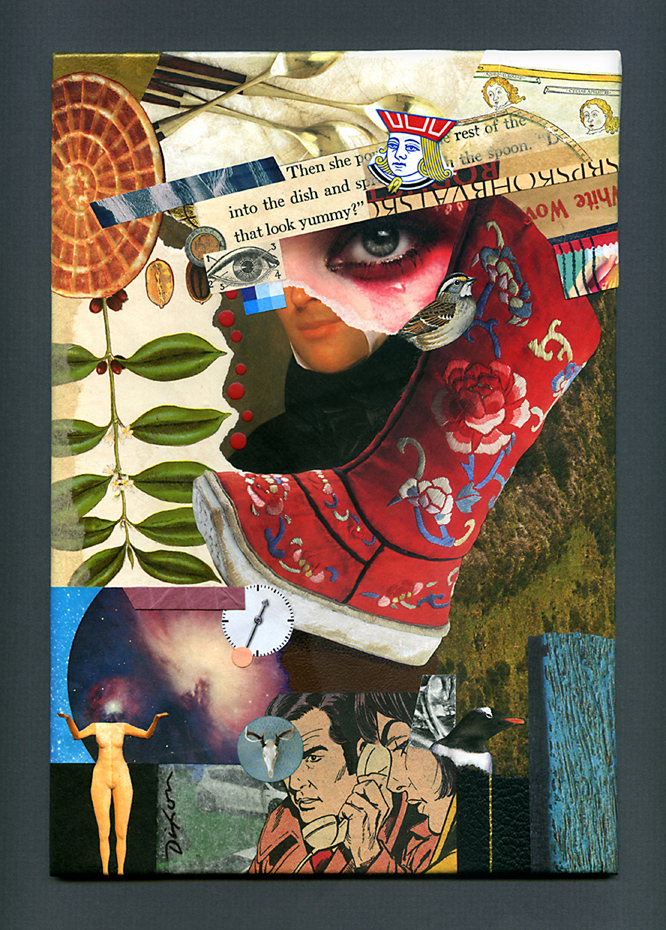
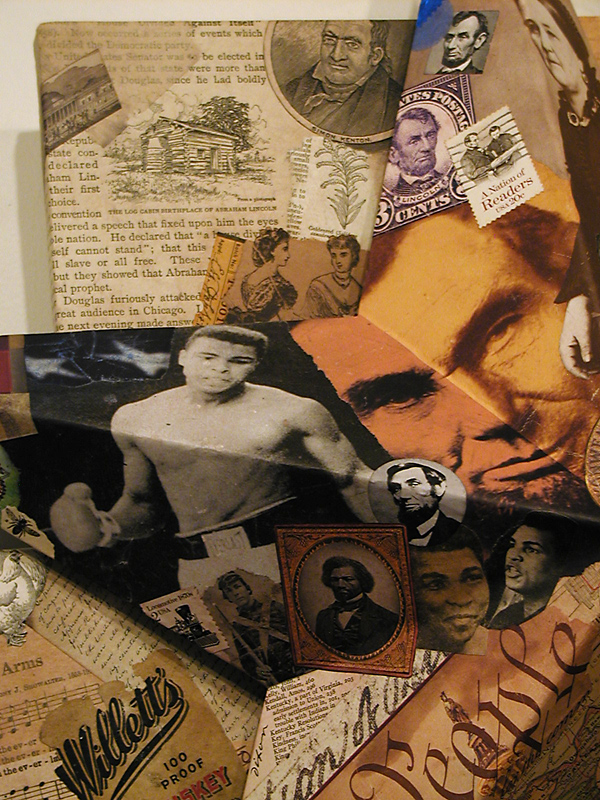
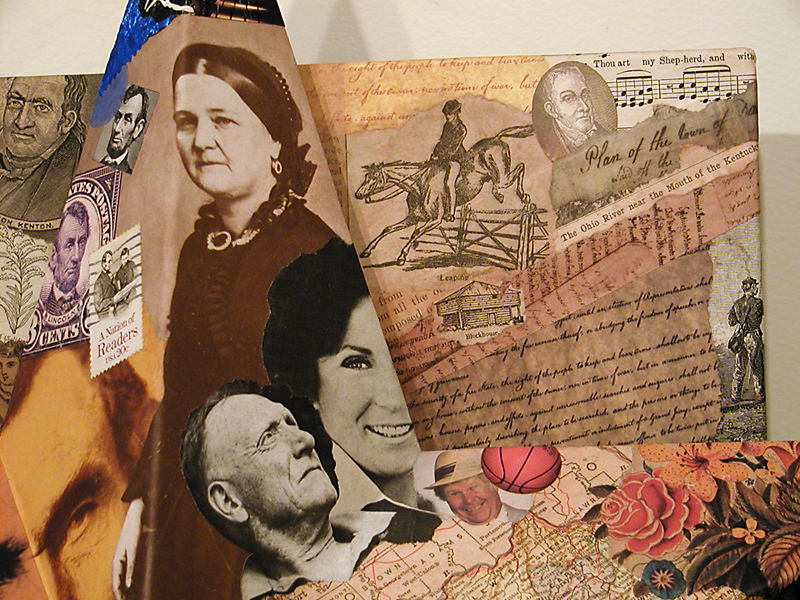
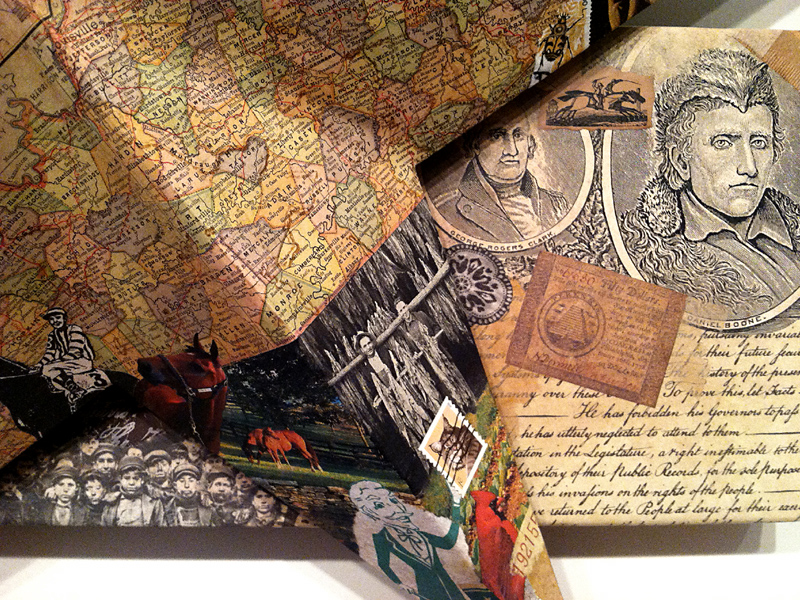
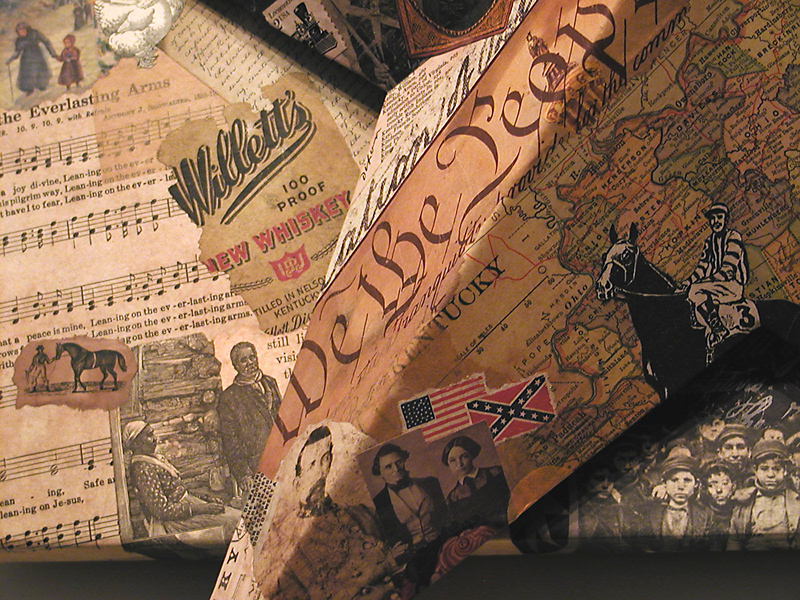
Everything I create is rooted in my investigations of the small format, and now you can purchase note cards derived from some of these collage artworks. A set of four horizontal note cards contains one each of four assorted cards, with details from Structural Integrity, Selective Fusion, Contemplation Ajar, and Mystery Solved. A set of eight cards is also available.

Larger than a typical note card, each blank card is 7.75 x 5.125 inches and is folded along the top edge. Envelopes are included.

Click below to buy with your PayPal account or a credit card.
No extra charge for shipping, handling, or state taxes within the USA.
International customers, please contact me directly.

Thank you!


Assorted horizontal-format cards ~ 4 cards, 1 each of 4 ~ $22.00

Assorted horizontal-format cards ~ 8 cards, 2 each of 4 ~ $40.00


Preview each distinctive collage note card —


Diamonds in 2017

December 9th, 2016

Just learned that my Diamonds in the Rough will be included in a new exhibition next year at Eastern Kentucky University. This piece was created four years ago and has traveled as far as Cincinnati in its mighty quest to find someone other than me who wants to live with it and to puzzle out its visual secrets. As details about the show come into focus, stop back to find out more. Thanks again for your continued interest!
 
Diamonds in the Rough ~ a collage construction by John Andrew Dixon, Danville, Kentucky

Diamonds in the Rough
collage construction by J A Dixon
36 x 36 inches
currently on consignment

That dreaded Artist Tongue

December 2nd, 2016

“Somehow the language used for describing and discussing art has a reputation for unusual opacity, even sadism.”
– Robert Atkins

Someone recently remarked that my description of collage as an intuitive phenomenon sounds like “artspeak.” I know what she meant — confusing, overblown prose that tends to alienate the “uninitiated.” She may have had a point, although I would hope that there is a difference between jargon meant to exclude those who don’t speak the often-elitist language of contemporary art, and an honest attempt to write about something that is difficult to articulate (because, in essense, it is a non-verbal, non-rational process). If I fall prey to obscuring that distinction at The Collage Miniaturist, please call me on it. I can take it.

dixon_untitledindustry

Untitled (INDUSTRY)
collage experiment by J A Dixon
8 x 12 inches
not for sale

ARTTOUR Open Studios

November 6th, 2016

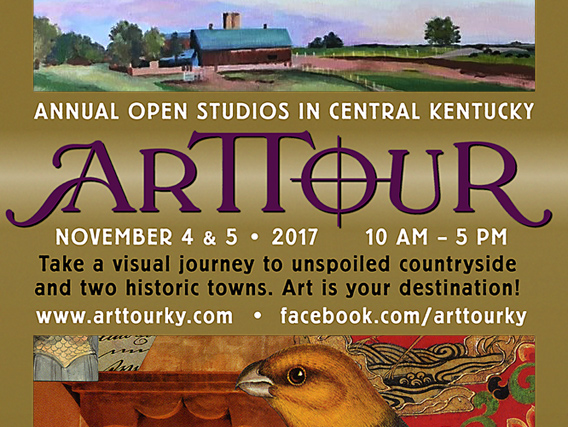
Today is the final day of our annual weekend ARTTOUR in Central Kentucky. If you’re in the area, please visit the website and discover our destination. Look for the canopy above the Dixon Design entrance and come right up to our gallery!

dixon_canopy_2016

Dada Centennial Exhibition to open in Santa Fe

October 21st, 2016

As part of the celebratory observation of the Dada Centennial organized by Cecil Touchon, I picked three of my experiments from earlier in the year (March 6thMarch 7thMarch 21st) to refine and submit to the Int’l Museum of Collage, Assemblage & Construction. Sure wish I was a bit closer to New Mexico.
 

Dada 100 (SCORE 20) ~ J A Dixon

Dada 100 (SCORE 20)
collage miniature by J A Dixon
4 x 5 inches
permanent collection of the Ontological Museum

Dada 100 (URGER HEESE BURG) ~ J A Dixon

Dada 100 (URGER HEESE BURG)
collage miniature by J A Dixon
4 x 5 inches
permanent collection of the Ontological Museum

dixon_dadajuliejudy

Dada 100 (Julie and Judy)
collage miniature by J A Dixon
4 x 5 inches
permanent collection of the Ontological Museum

the necessity of journal experiments

October 14th, 2016

“You must train your intuition. You must trust the small voice inside which tells you exactly what to say, what to decide.”
— Ingrid Bergman

Believe it or not, collage-miniature experiments in my sketch journal have become less about visual results than they have about intuitive choices and conditioning my sequential responses. If one can internalize this process as a smooth, nonjudgmental flow, then it is possible to bring it to bear with more rational, formal concepts. This will help avoid bogging down in an undesirable, second-guessing mode. I hope that makes sense. If not, I promise that I will keep trying to articulate this important aspect of creativity.
 

a journal experiment by John Andrew Dixon, collage artist, Danville, Kentucky

Untitled (Oat Man Mountain)
a journal experiment by J A Dixon
5 x 4.5 inches

a journal experiment by John Andrew Dixon, collage artist, Danville, Kentucky

Untitled (Per Pound!)
a journal experiment by J A Dixon
7.75 x 8 inches

a journal experiment by John Andrew Dixon, collage artist, Danville, Kentucky

Untitled (pierced)
a journal experiment by J A Dixon
3 x 4 inches

a journal experiment by John Andrew Dixon, collage artist, Danville, Kentucky

Untitled (DBC)
a journal experiment by J A Dixon
9 x 5 inches

Collage Miniature Collaboration Number Six

October 7th, 2016

“A random interaction — someone who says something to you on a street corner — is often enough to set off a cascade of creativity.”
— Carrie Barron

The deft completion of two “starts” on book covers by Stefan Kraft has been worth the wait. The German artist has brought his characteristic design restraint to our collaborative exercise, reinforcing the limited color scheme and textural qualities handed off to him without overloading the compositions. Nice work, Stefan!

I have come to see these types of collaborations as providing a creative springboard for the partner, rather than as a true interactive experience. The latter kind of effort is more difficult to define and initiate, but offers great potential for collage artists. I am currently working on such a project with fellow Kentuckian Robert Hugh Hunt, and I expect to highlight our mutual result in the very near future.
 

A collage miniature collaboration by John Andrew Dixon and Stefan Kraft

Untitled (*ection)
a collage miniature collaboration by J A Dixon and S Kraft
(start by Dixon, finish by Kraft)
5 x 7 inches, collection of J A Dixon

anotableadvance_dixonkraft

A Notable Advance
a collage miniature collaboration by J A Dixon and S Kraft
(start by Dixon, finish by Kraft)
5 x 7 inches, collection of S Kraft

Does this have anything to do with collage?

September 30th, 2016

 
jadixon_waitingfordana
 

Waiting for Dana
combined mediums by J A Dixon
6.5 x 4.875 inches

My honest answer to the title question —
“We won’t know until I finish this post.”

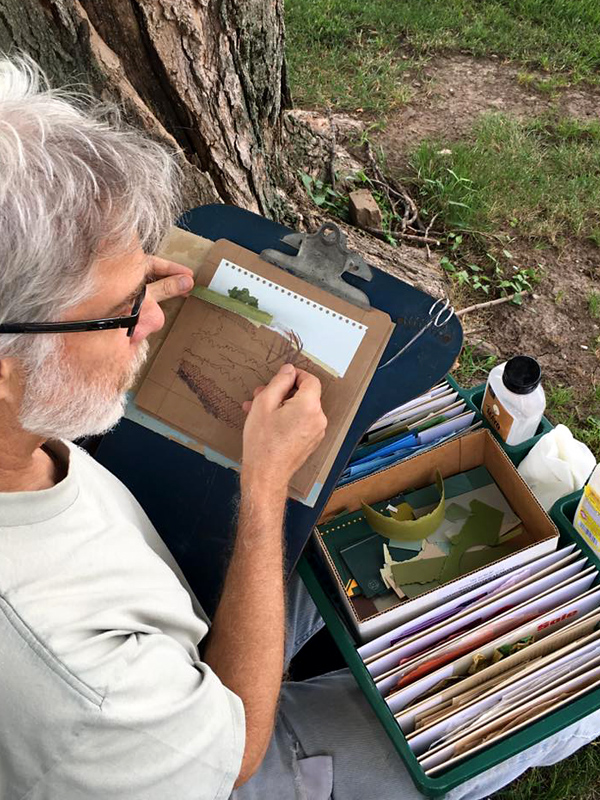
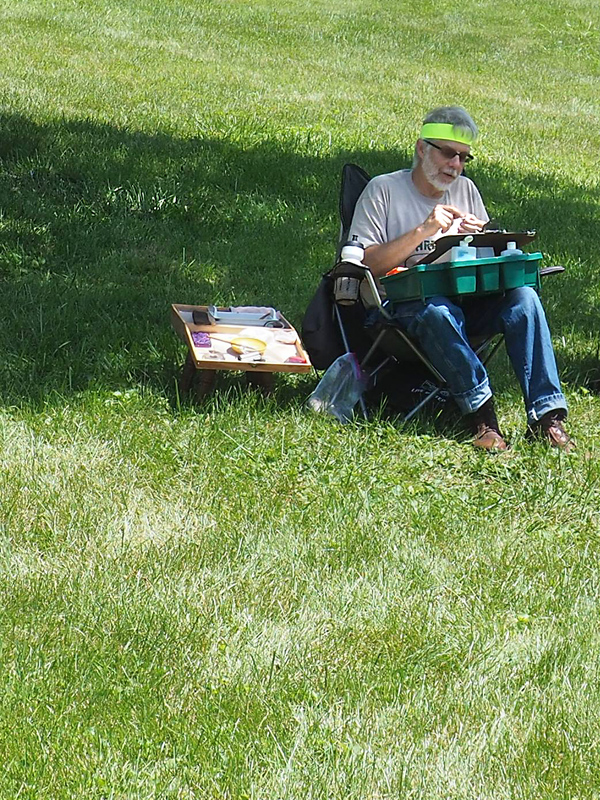
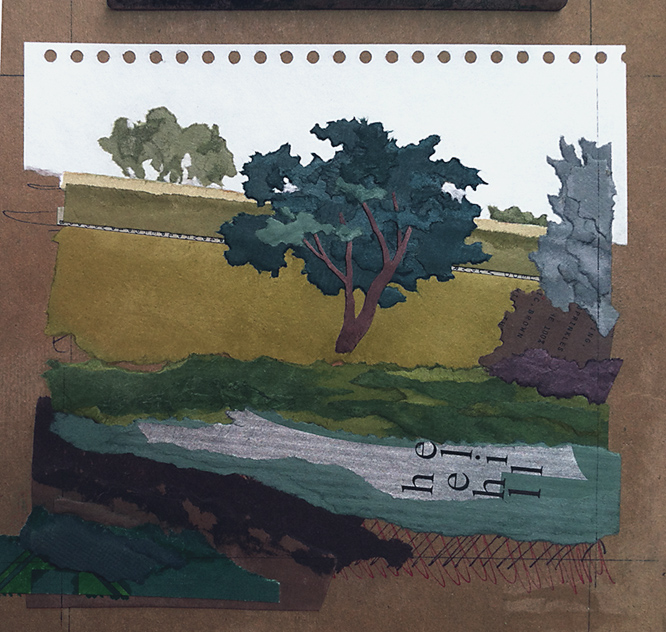
During my annual “fishing retreat” in Les Cheneaux on Lake Huron, I convinced myself to make a small painting for the mate who holds our fort in Kentucky. It disturbed me to confront the idea that I had fallen woefully away from my practice of drawing or painting en plein air, so I found a spot to sit and scraped some rust off my lost habit. If a tradition of plein air collage exists, now or in the past, I so far have not discovered any evidence. One would think that the medium does not lend itself to it, but there is no fundamental reason why collage cannot be executed out of doors, or benefit from direct observation of nature or the built environment. If we are to think as the artists who “invented” it, collage is another variation of painting. And painting, as we know, is not about visual replication, but about capturing what the artist “sees” — in the fullest sense of the word.

As smiling fortune would have it, I had the opportunity to view a presentation of Painted Land at the Lake Superior State University Arts Center (in nearby Sault Ste. Marie) as a part of my visit to the Upper Peninsula. Proceeds from the screening of the new documentary helped benefit the Lake Superior Watershed Conservancy. The subject of the film is the Group of Seven, the twentieth-century artists who took the Canadian consciousness by storm when they rattled the national establishment with the first widely seen modern-art landscapes. The filmmakers successfully proved that the iconic paintings now revered by Canadians were created by the pioneering artists when they arduously discovered wilderness locations, and were not constructed from imagination, as many had previously believed. On top of that, most of these unspoiled sites in the vicinity of Lake Superior have the potential to remain so, if preserved and protected from development.

The breaking of my plein air dry spell, combined with a heightened awareness of how some of North America’s most daring artists actually made their works, has overwhelmed me with new ideas about ways to invigorate my approach to collage and its relationship to the seen image. I don’t know where these experiences will lead me, but those who follow my journey here no doubt will be the first to find out. Until then, thanks again for visiting.

 
“The most important thing a painter can do is
find a good place to sit.”
– J.E.H. MacDonald


a mini-tutorial for gel transfers

September 27th, 2016

“Self-education is, I firmly believe, the only kind of education there is.”
― Isaac Asimov

A growing number of people will now agree that most emerging social networks are not what they’re cracked up to be. For an artist who spends a lot of time in solitary activities, it can be a beneficial connection to a larger body of peers. I concur with Cal Newport that it can also be a habit-forming distraction that pulls one into a more shallow mode than the deep concentration necessary to produce exceptional creative work. There are times, however, when a Facebook interaction is so good that I have to marvel at the way people can quickly exchange valuable information across continents. Case in point: a recent back-and-forth between Peter Dowker (Lac-Brome, Quebec) and Matthew Rose (Paris, France) about image transfers for collage assembly. When Susanna Lakner (Stuttgart, Germany) and Melinda Tidwell (Santa Fe, New Mexico) jumped in, it developed into one of the best step-by-step descriptions of gel-medium transfer that I have seen. Here is my summary of Dowker’s technique—

“First of all, stay away from the hard stuff, like the toxic chemical cleaner trichlorethylene. Instead, use a gel-medium method to achieve an effective transfer. Apply a healthy coat of liquid acrylic medium to the image side of an ingredient and adhere it face down. GLOSS medium sticks better than matte. Rub with a brayer, or burnish gently with a soup spoon, and let it dry. Using a bit of water, gently rub off the paper backing with your finger or a piece of cloth. Don’t use too much water and slowly move over the surface, removing a bit at a time. Use oil varnish or vegetable oil to bring up the image. A minute amount of paper will always remain behind, giving it a cloudy appearance when dry. The oil varnish or vegetable oil will make that disappear and enhance the transparency. I formerly used matte oil-based varnish, which works okay. The vegetable oil idea comes from Allan Beally. There will be hardly any build up at all — probably less than any of the collaged pieces next to it. When making a transfer onto vintage papers, I find it’s better to seal them first before you begin — 1 or 2 coats of matte gel medium — the water involved to rub off the back of the transfer can destroy the substrate. Keep in mind that different papers react in different ways. Sealing is only necessary if the base is fragile. Be patient after gluing down the transfer. Letting it TOTALLY dry before rubbing off the paper is essential. If you’re not patient and start rubbing too soon, the image can start to break down. Wait a minimum of 2 hours (overnight is best) before removing the paper backing. If I know I’m going to be using a transfer from the outset, I start the piece on heavy card, to keep the substrate from becoming wrinkly in one spot from the water. The method works with original elements or copies. When I do use a laser print, it’s on thin, cheap office paper. Removing the paper backing can take ten minutes or more, because I go slow, not wanting to damage the image — not really that long at all. I’ve had the most luck since I began sealing the receiving surface with matte medium and waiting longer for it to dry. And the oil works wonders!”

My thanks to Mr. Dowker for allowing me to share this description here. Some of us have also used a variation that involves removing the paper backing independently, in a basin of water, before adding it to the collage surface. When doing that, one ends up working with a collage element that is essentially a veneer of acrylic medium, which introduces a size limitation and other aspects of craftsmanship. Peter calls this the “gel-skin method.” Although he has used it many times, a drawback for him is the need to build up 4 to 5 layers of medium — so it’s not too fragile for the rubbing stage — which makes for a thicker transfer. According to Peter, “not very appealing to the fussier ones among us.” The gel-skin method does allow for a right-reading image (if that’s important), otherwise the previous method will result in a flopped image (unless it can be photomechanically or digitally reversed prior to transfer). Each collage artist will refine an individual methodology, and, not surprisingly, new discoveries and “fortunate accidents” occasionally can result. As Peter reminds us, “Don’t be shy!”

Take a few minutes to savor a few of his extraordinary artworks below—
 

CUTTERS
collage with image transfer by P Dowker

ACORN
collage with image transfer by P Dowker

VAAVING
collage with image transfer by P Dowker

TOYS
collage with image transfer by P Dowker

Have a Seat!

September 23rd, 2016

The new exhibit, Have a Seat: Chairs by Kentucky Artisans, is up and running. Works by 33 artists are on display until February 25, 2017 in the Kentucky Artisan Center at Berea. The meet-the-artists reception is this Sunday from 1:30 to 3 pm. If you are anywhere near the Bluegrass State, please join me there!

Click here for an album of all works in the show.
 

Have a Seat: Chairs by Kentucky Artisans ~ includes a repurposed vintage classroom chair by John Andrew Dixon of Danville, Kentucky


Pink Cat

September 16th, 2016

When fragments of everyday living are repurposed, and the literal characteristics of collage ingredients are transcended, we have probed toward the heart of creative spontaneity and offered a shared experience with a receptive observer.
 
Pink Cat ~ a collage miniature by John Andrew Dixon, Danville, Kentucky

Pink Cat
collage miniature by J A Dixon
4.25 x 4.25 inches
embedded into a larger artwork, 2019