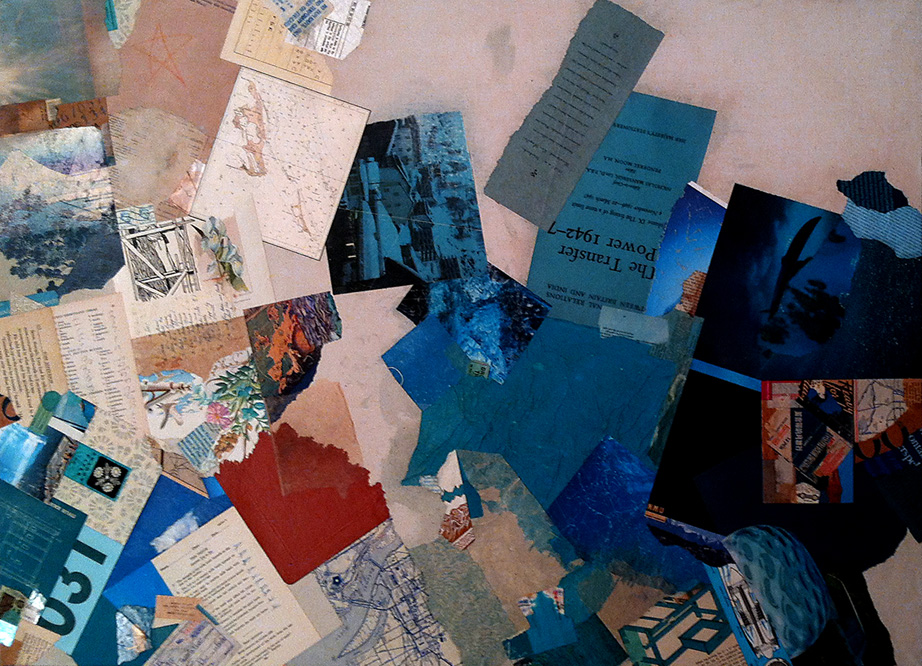
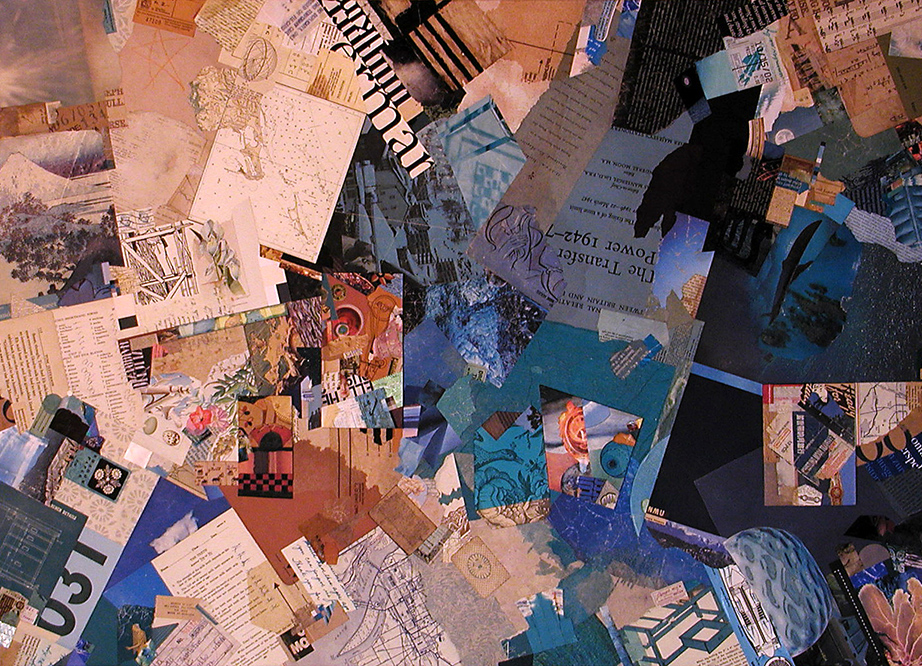
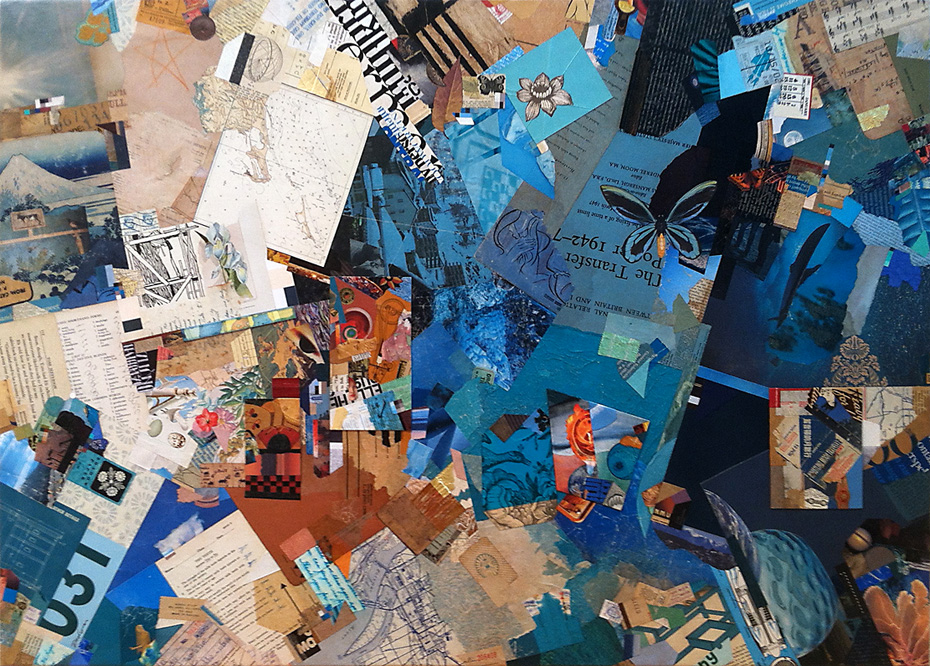
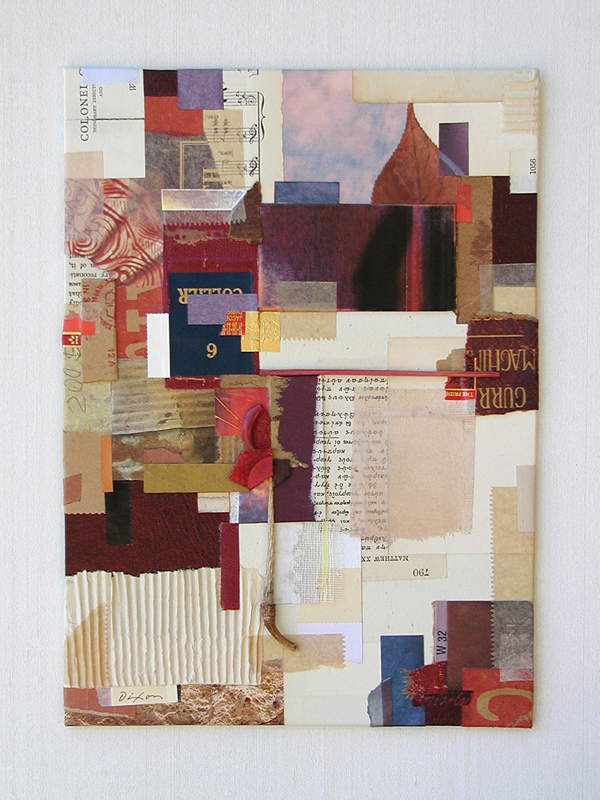
“In the ’20s, dadaist Kurt Schwitters collected bits of detritus such as cigar bands and bus tickets and used them in collages. They were shocking then but with the passage of time have taken on the aura of classics: vibrantly colored and harmonious arrangements of abstract forms and only incidentally assemblages of junk.”
— John Ashbery
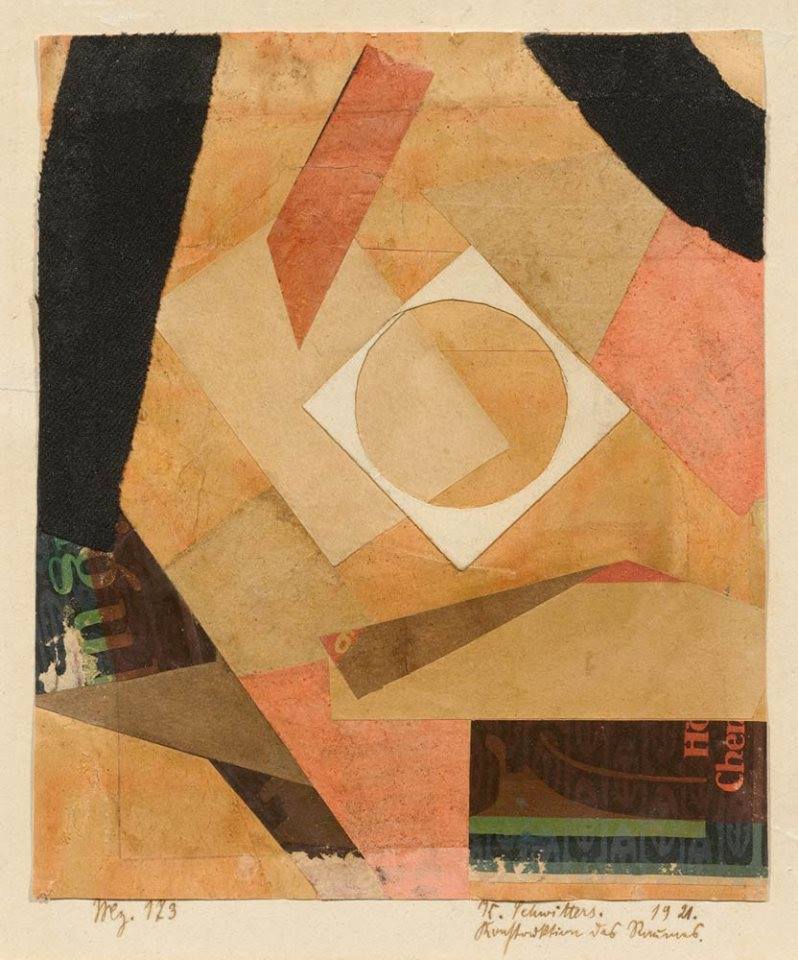
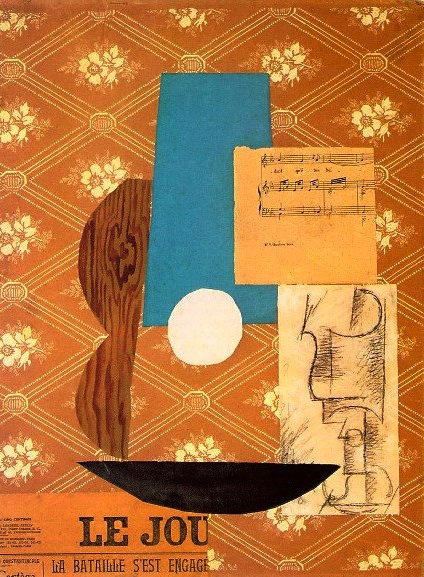 About a hundred years ago, a handful of Europeans had set out to invent what we now know as the medium of collage. Nearly all of them were painters. From the beginning, collage was rooted in modern art concepts that were emerging at the same time — the fundamentals of abstraction. Thus, the evolution of abstraction and collage in the 20th century are entwined, and remain so in a burst of contemporary activity in this post-centennial period. Next year will mark a full century of Merz. Artists working in collage abstraction carry the “creative code” of Kurt Schwitters and his seminal innovations.
 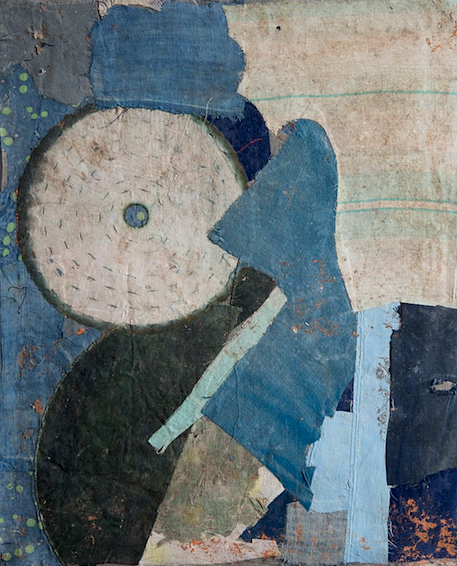 But, allow me to pause here and point out something that has become increasingly obvious: conventional art history was woefully male centered. Intentionally or not, the discipline would downplay or ignore many exceptional women artists, and that includes collage antecedents which were largely the domain of females, especially in the domestic or folk arts. For example, an interesting feature at moowon.com highlights the forgotten art of Chinese textile collage.
 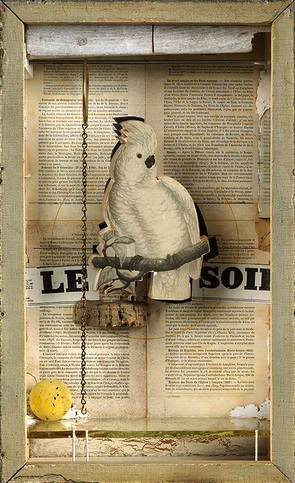 Picasso lifted visual ideas from tribal cultures. Cornell borrowed techniques tied directly to Victorian crafts. We understand that now. Modern art did not spring fully formed from the brow of Zeus like the armored goddess Athena. Fast forward to 2018. Many of the most accomplished and widely recognized collage artists of today are women. And the best part is that we know about them.
Melinda Tidwell is one of the dedicated abstractionists in collage that I enjoy following. She has a solid and very articulate designer “upstairs” guiding each decision, but her regard for the unexpected is a strong part of her intuition. Last summer, she published a two-part discussion of “order versus disorder” at her blogsite. It features abstractions by Lance Letscher and is well worth checking out.
Please indulge me as I share examples of collage abstraction from artists who continue to favorably capture my eye. Some of them range into mixed media in a way that remains very much collage. Others are strictly “painting with paper.”
Merz is alive and well in the 21st century, my friends.
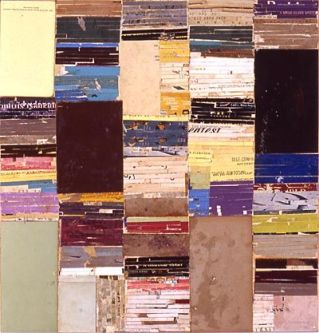
(title unknown)
abstract collage by L Letscher
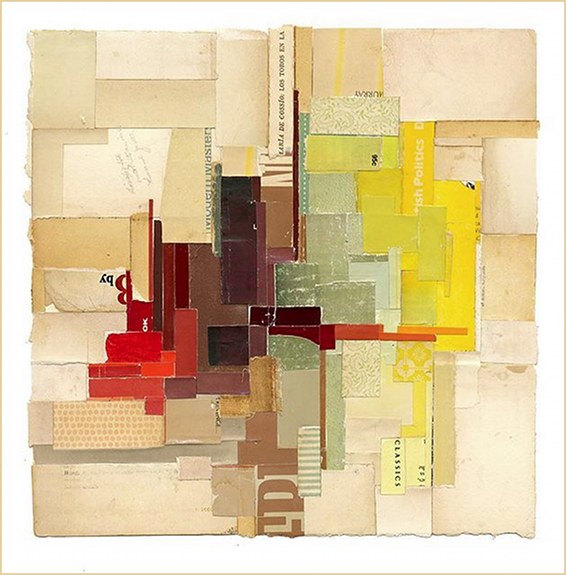
(title unknown)
abstract collage by M Tidwell
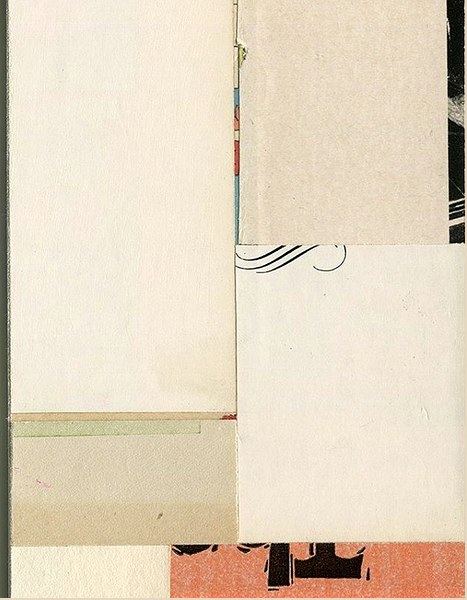
11zc18
abstract collage by Z Collins
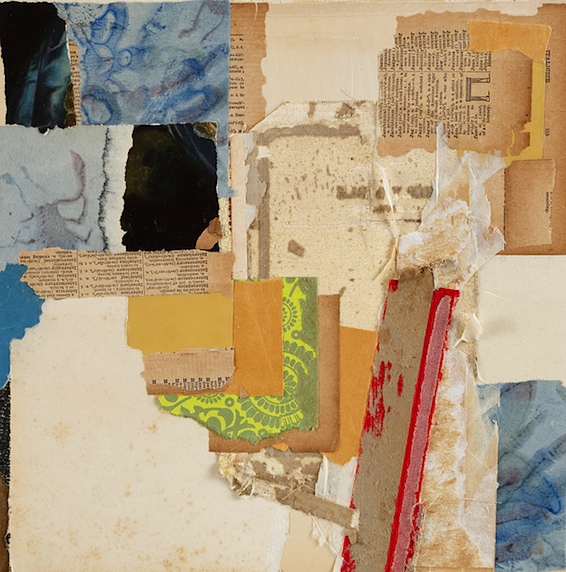
Elysburg IV
abstract collage by C Chapman
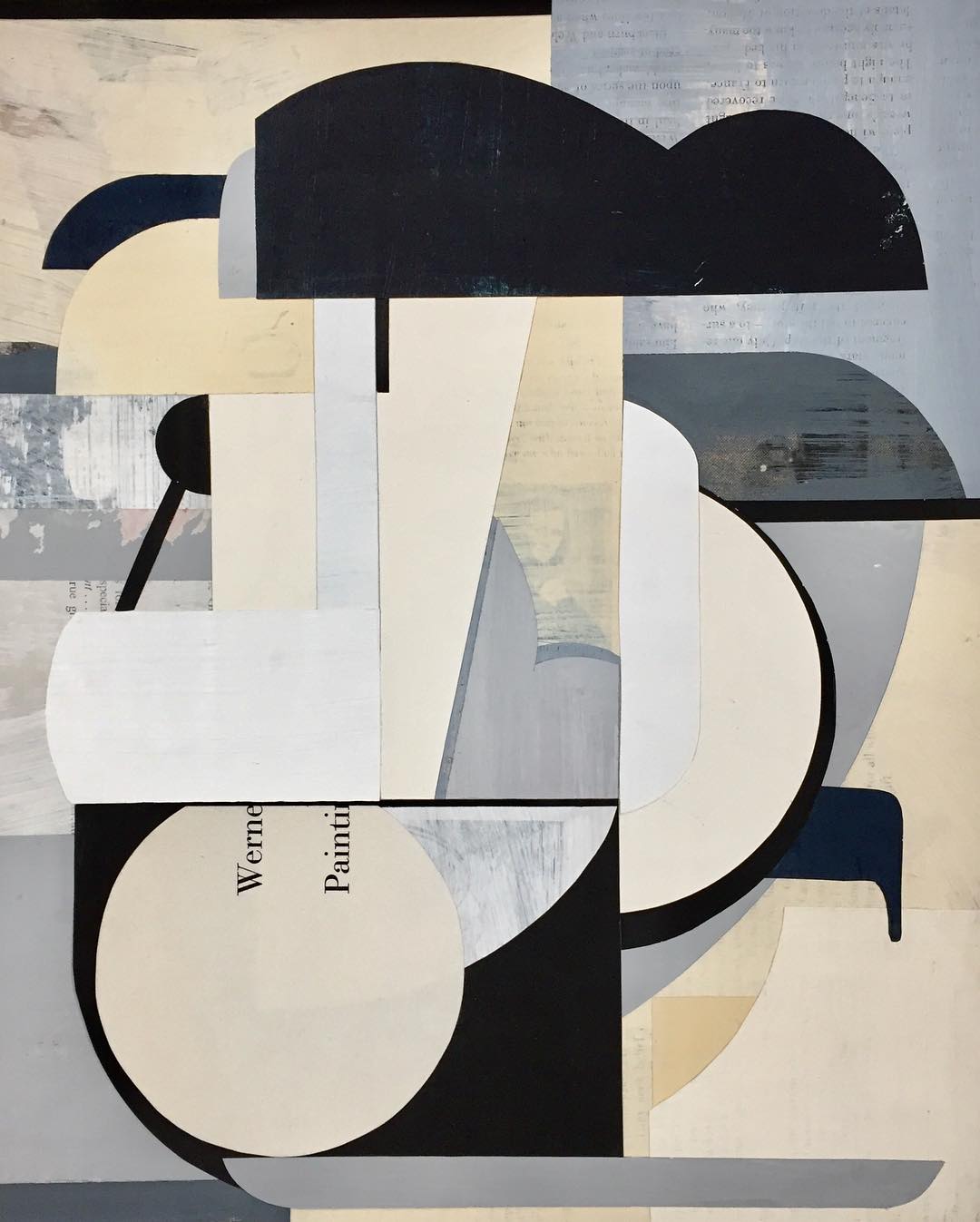
Ellington
abstract collage by D McKenna
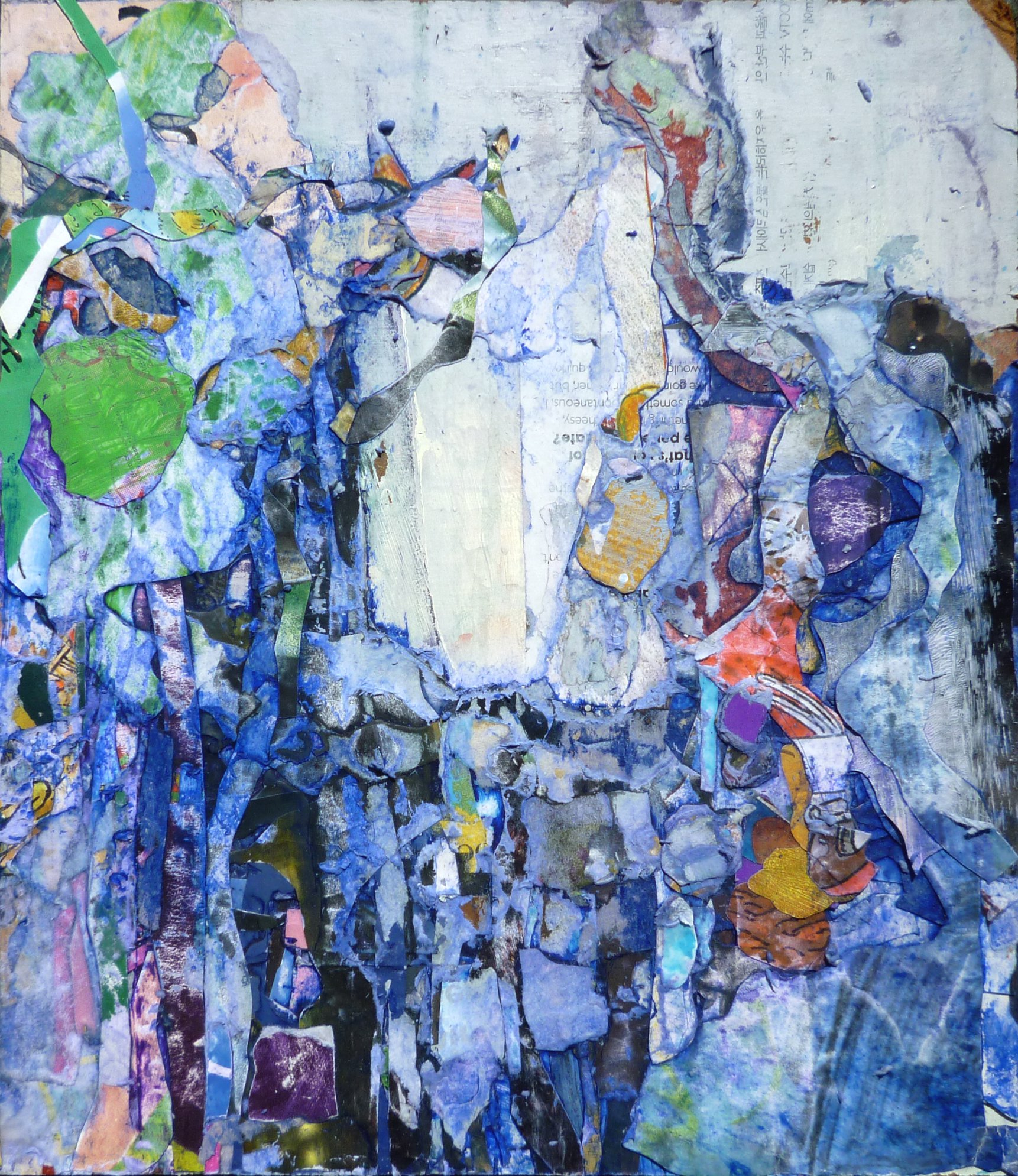
Osmosis 3
abstract collage by C Emeleus
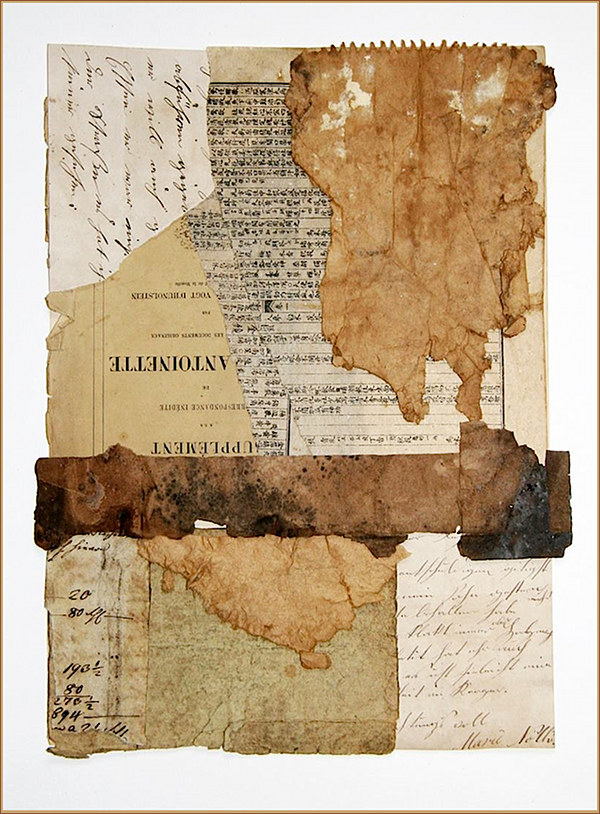
Antoinette
abstract collage by W Strempler
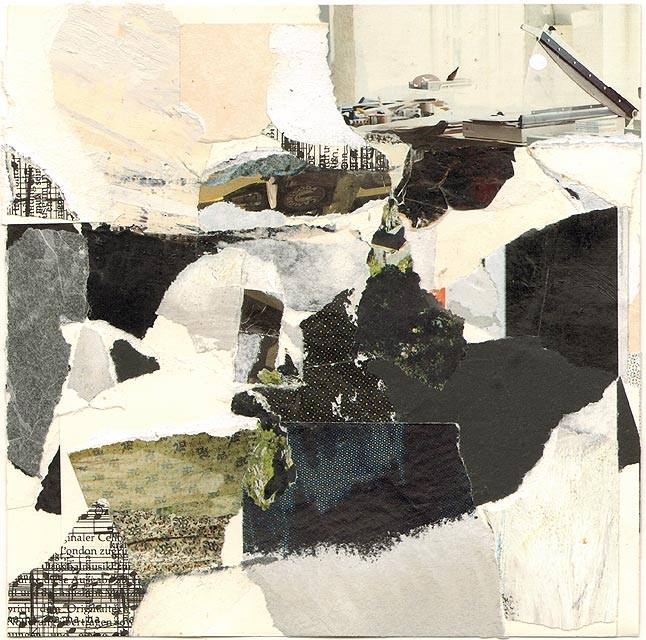
Music
abstract collage by S Kraft
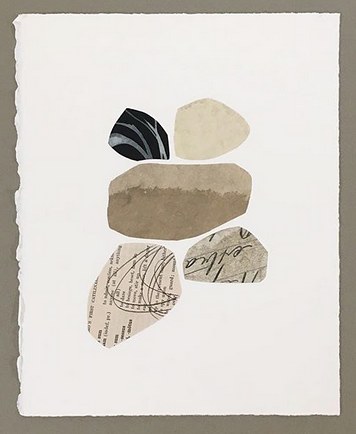
from her series, BALANCE
abstract collage by S A Herman
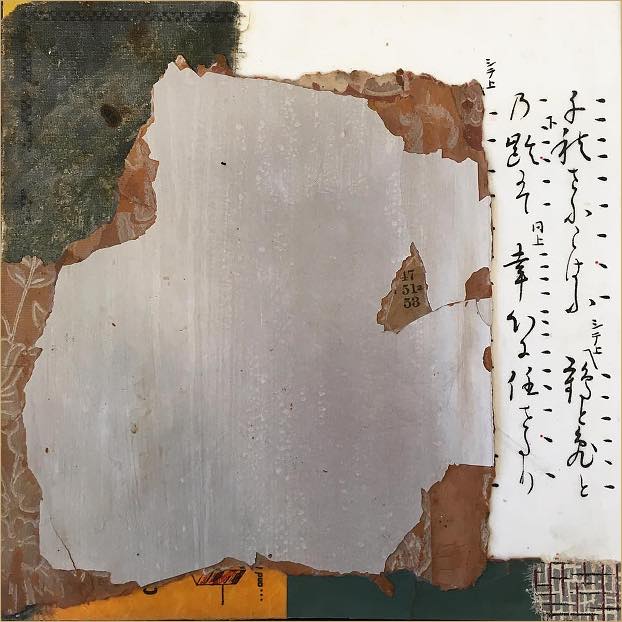
Day 18 of 40
abstract collage by C Neubauer
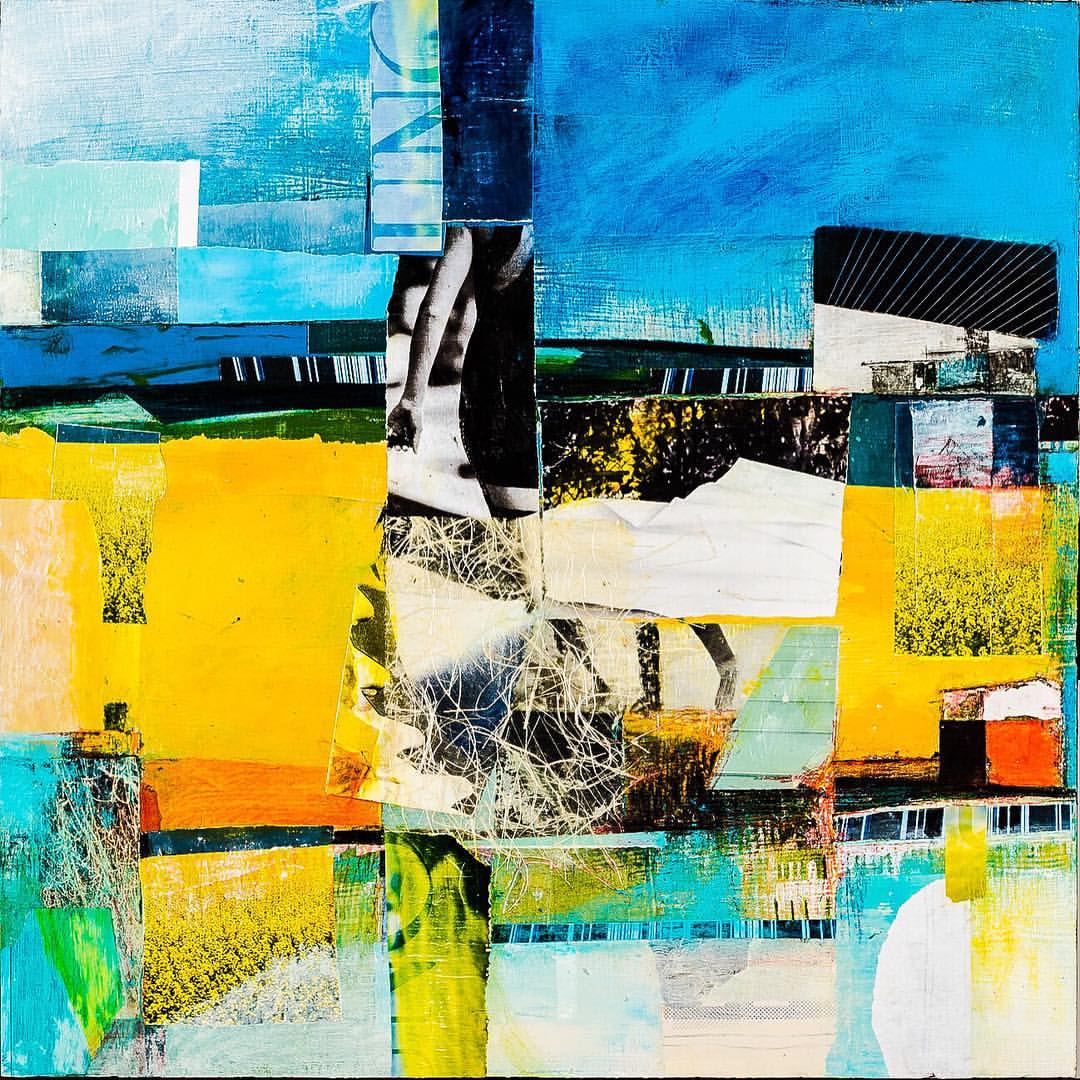
Red Cottage — from her series, SENSE OF PLACE
abstract collage by P A Turner
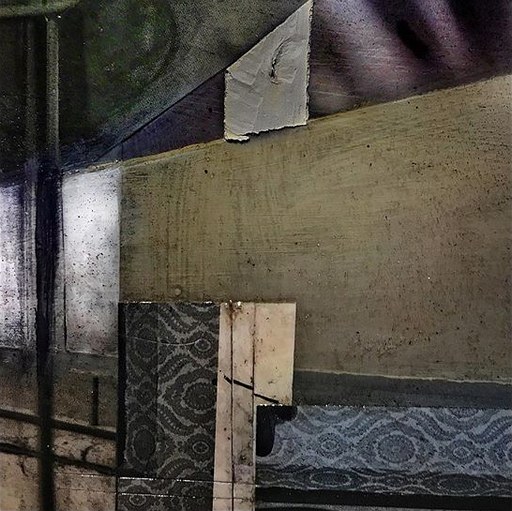
(title unknown)
abstract collage by J C Martin
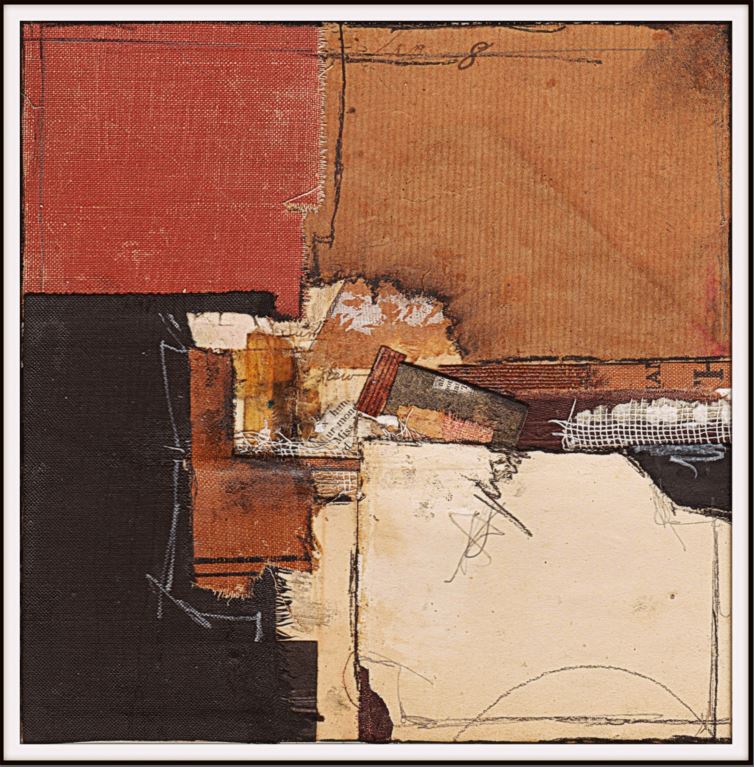
Reap
abstract collage by G Cooper
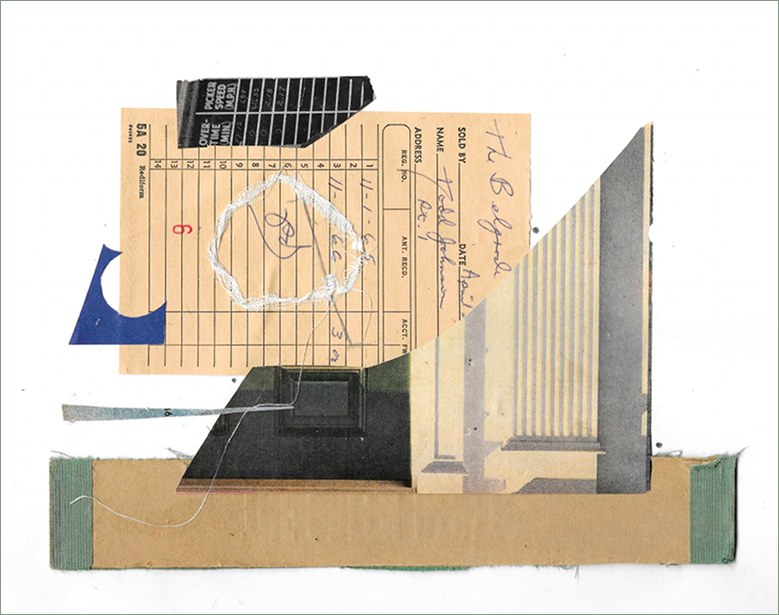
Cognitives and Conclusions
abstract collage by S Ringler
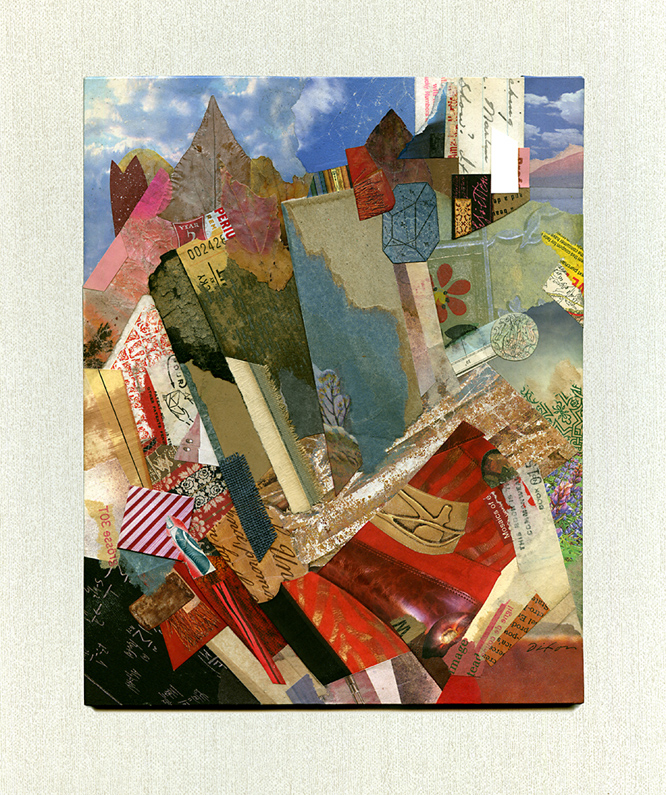
Dynamic Stability
abstract collage by J A Dixon