Category: Stephen Heintz

Composition

Nineteen years ago my friends got together, led by Maria (hi Maria), and chipped in to buy me my first single-lens reflex camera: a Canon Digital Rebel.
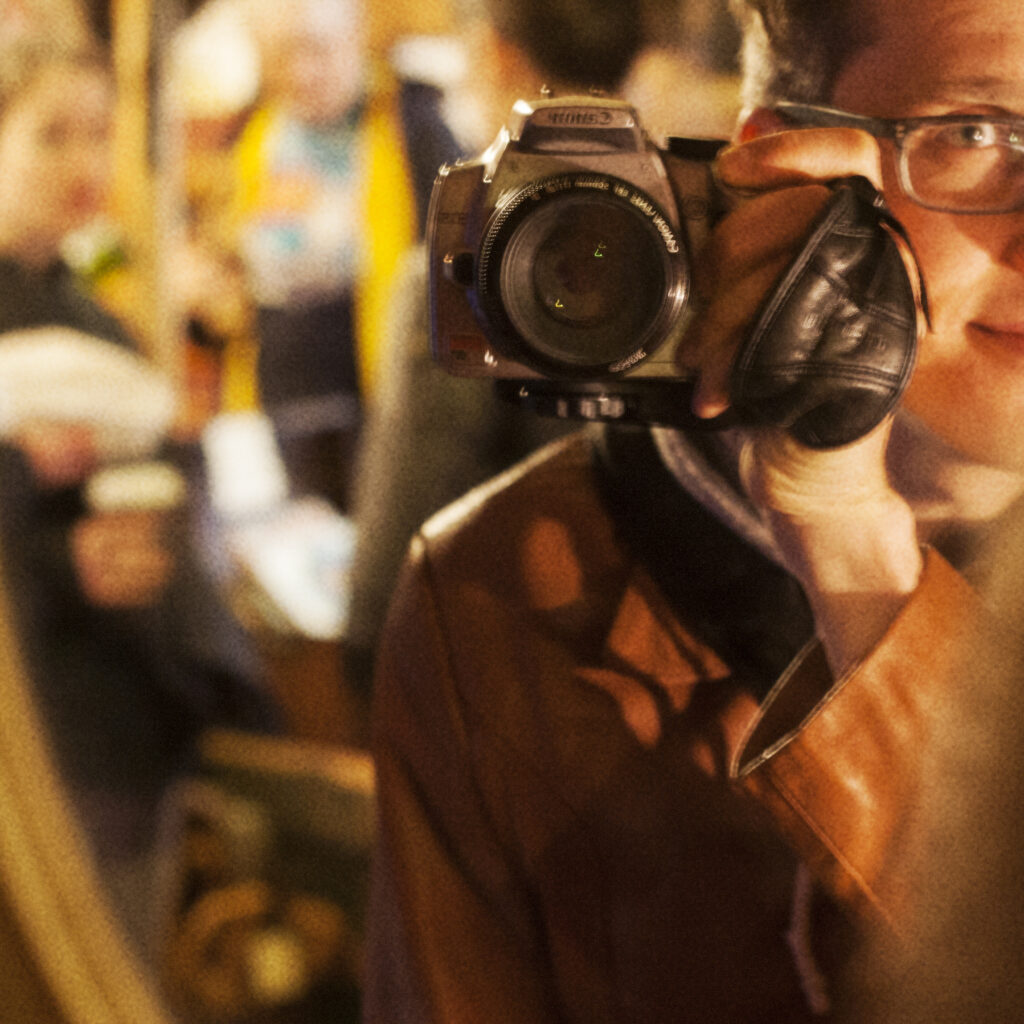
Myself in a mirror, at a plant shop in San Francisco, early 2016.I’d played with cameras since I was a kid, but until that year, I never had a solid understanding of what to do with them. Coming to that understanding took many years of developing taste for what I liked in pictures, and then more time studying the techniques involved, but mostly what I needed was a good way to experiment. My goofy webcam selfies aside, the time between taking a photo and looking at it had always been measured in weeks and dollars. But things changed once I could just snap, and chimp, and gauge what I had wanted against what I got. I needed feedback to learn.
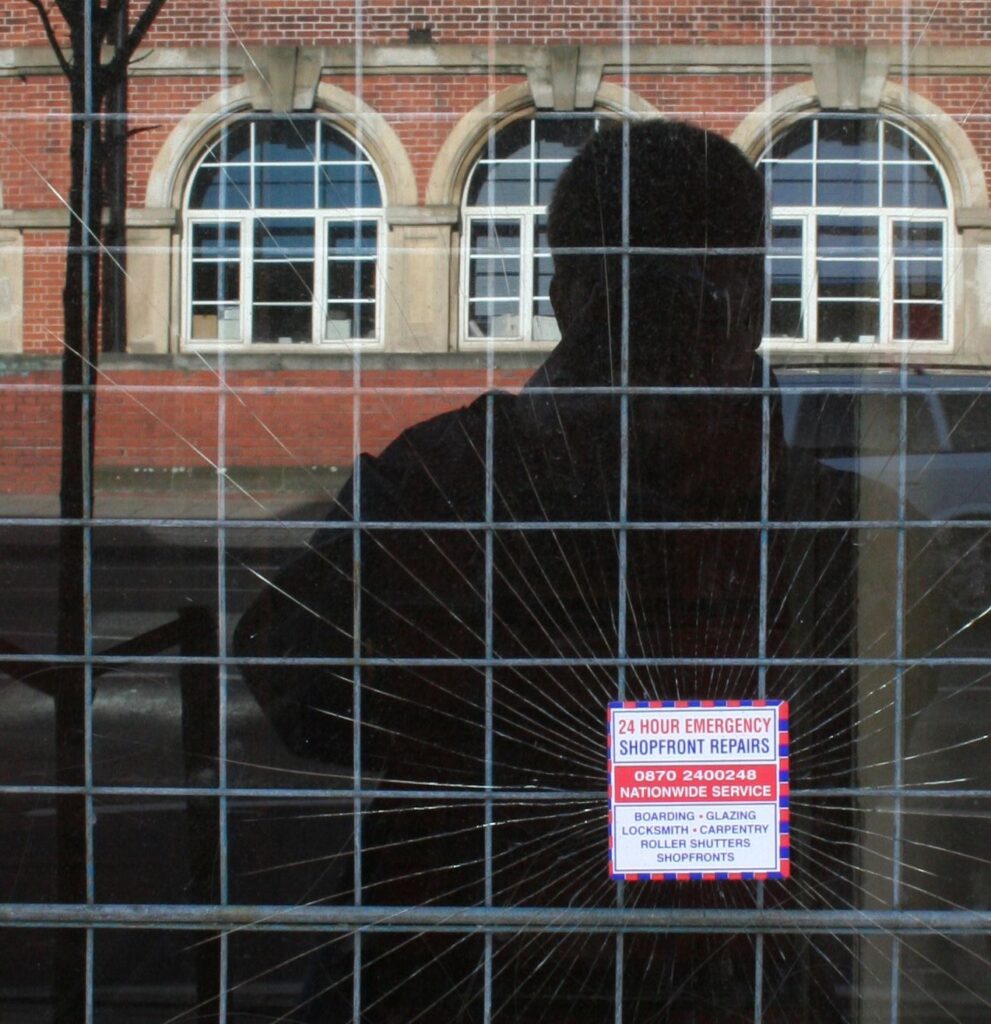
Self-portrait in shadow, reflected in shattered glass, somewhere on a Tube Walk in London.I’ve written about this in the past and I don’t want to keep retelling the same stories. But before I had a camera in my hand, I had no patience for the act of looking around me. It was only learning how to frame, evaluate light, and search for details to isolate that unlocked the pleasure of observation. After a while, I didn’t even need the camera to enjoy it! And now I prefer to shoot on film anyway, so the quick feedback loop is long gone. But the process of learning shaped me, and I still hold that shape.

My shadow, on the wall of a castle in Ireland, wearing a silly hat.Photography changed my world by making any moment, anywhere, into something I could interact with. You should email a blogger today.

“It’s quite important to know that you are heard.”

Jenny’s post about metrics (and Lucy’s quotation of it) have been rattling around in my head for months now. In my mind that post links back to something that Avery Alder said on twitter many, many years ago, in response to a wave of scolding directed at allies who purportedly “wanted a cookie” for taking part in social justice activism. I can no longer access the original wording. What I recall is that Avery acknowledged that of course such work is worth doing regardless of reward. And then she added: but so what if I still want a cookie? I like cookies!

Jenny again, deliberately out of context, because it fits other contexts too:

First of all, so? And second of all, right, exactly.
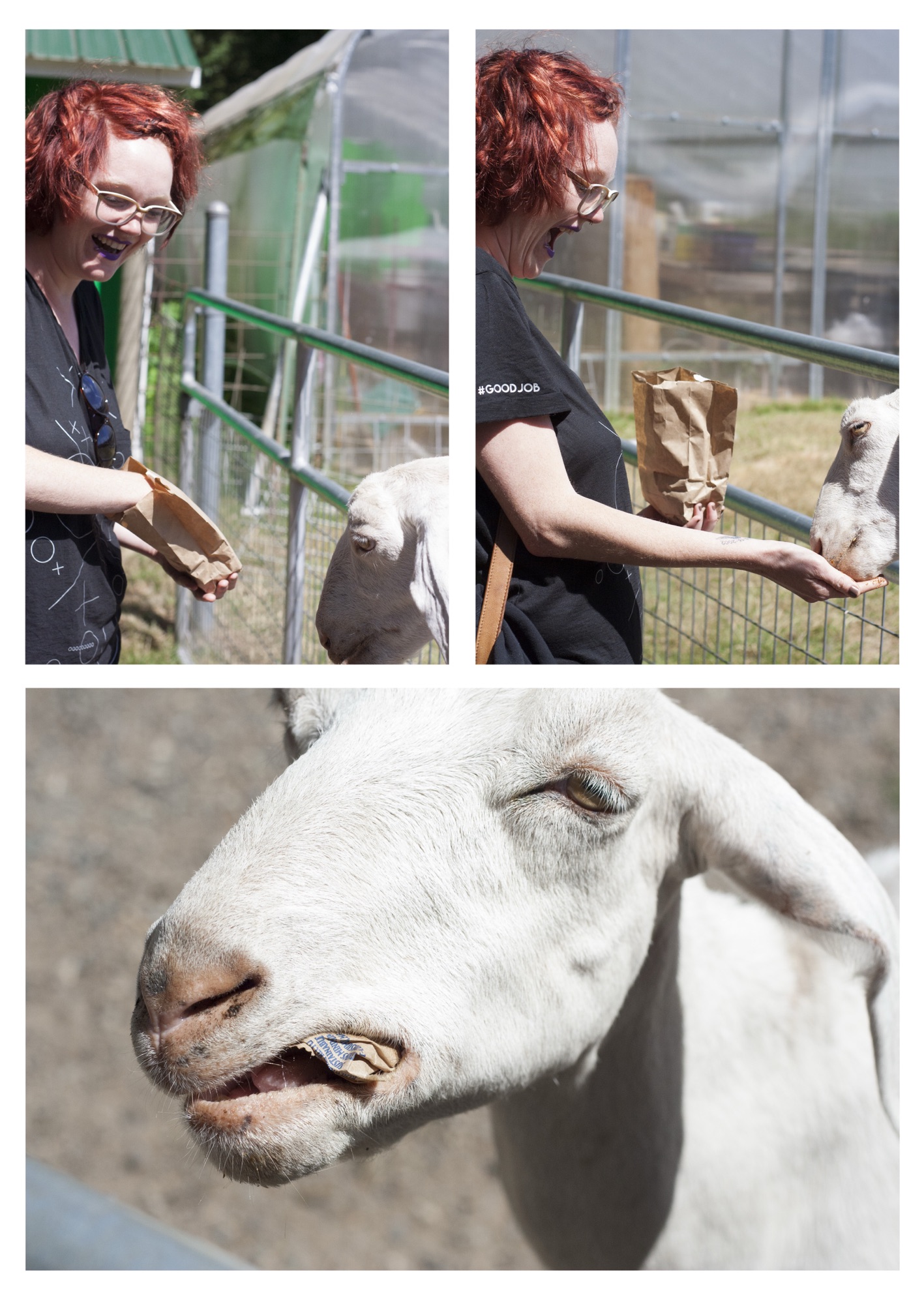
Mads feeding a goat from a bag. The goat ate the bag.

I like cookies too. And I’m a human, a social mammal whose development rests largely on the attention and response of other members of my species. It is important for humans that sometimes someone gives you a cookie. It is important to know that you are heard.

Analytics software offers numbers you can’t trust about visits you can’t see, which is not the same as being heard—in fact I think it might be the opposite. The illusion of attention contorts people into shapes that are not good for them. (I don’t even need to mention any prominent software platforms by name here, do I?)

I don’t use my degree in the dramatic arts for all that much, these days, but I am often grateful for what I learned in completing it. One of the things that Patrick Kagan-Moore said to me, the night before our play debuted, has stuck with me for 25 years. “We rehearse for months,” he said, “so we can try to find the right shape for the performance, and the first time you get a laugh from a crowd—” He snapped his fingers. “—they will train you, like that. You’ll do it the exact same way every show, trying to get that to happen again.”

Live performance is a hot medium, where response arrives quickly: snap, chimp, gauge. Writing online, and off social media, is a cold medium. That’s why the warmth of a good response matters so much.

Lighted artwork from the ruin pub at Szimpla Kert, in Budapest, with an old speaker box facing the lens and a speech bubble above it saying

Sometimes I like to reach into my mental pocket and offer up chestnuts—I know I already used one food metaphor, stay with me—which I cannot promise will contain any meat. One such chestnut is that email is the infrastructure of the web. (In my grouchier moments, I say “failure state” instead.)

Infrastructure is what you fall back onto when a superstructure cannot support the load placed upon it. There are a million diagrams of the technical stack that underlies HTTP, and none of them includes a layer called “email.” But it is there, invisible, at the root of every auth request. And as direct communication over the web has been captured by those who do not wish good things for you or me, email remains the fallback there too: a crummy foundation that yet resists collapse.

When the web promised that you could subscribe directly to the words and work of people you found interesting, then broke that promise for extractive purposes, email newsletters sprang up to fit the popular demand to Just See The Goddamn People You Follow In Chronological Order God Dammit. Email is not well fit for this purpose, any more than it is for supporting the rest of the internet. The things you want to savor from your favorite writers get buried among “the to-do list that grows without your consent” (credit to Sumana). But it kind of works. And things that kind of work are what we have, online, these days.
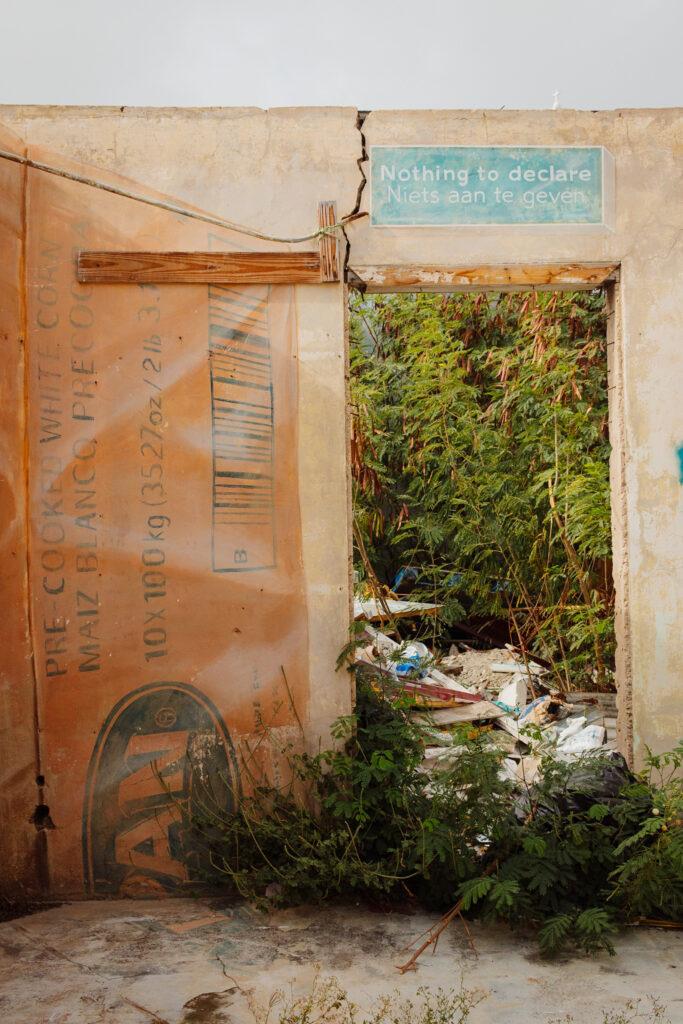
A photo from San Nicolas in Aruba, with a gaping abandoned doorway showing overgrown weeds behind it, and the words

Newsletters are blogs. Email kind of works as a way of both delivering and responding to blogs. I agree with Erin’s newsletter that writing letters is a wonderful practice too. And I don’t mean to dismiss the charm of a good comment, for blogs with comments! Comments are how I met Will, after all. But letters require physical acquaintance, and comments are a kind of public performance in their own right. Email is something else still.

The other day I had a question that was bugging me, and I looked up the relevant figure on Wikipedia. Wikipedia told me that he has a blog—a delightful blog about sailing in retirement, unrelated to the matter I had in mind. But that blog had an about page with an email address, so I wrote an email, and got a response right away.

From: Brendan (xorph@xorph.com)
To: ken@kensblog.com

Hello Mr. Williams! I’ve always wondered, why did you choose “on-line” for the original company name “On-Line Systems?” Was it derived from the idea of making software to be accessed on a mainframe through a terminal, or did the term mean something different to you at the time?

Thanks! Hope your seagoing adventures this year are wonderful.

—Brendan J

From: Ken Williams (ken@kensblog.com)
To: Brendan

You nailed it. Yes – I was doing freelance contract work on mainframe computers, specializing in large computer networks (literally on-line systems). When I started Sierra I kept the name I had been using for my contracting.

When we started getting larger I realized someone already owned the name and had to change our company name.

-Ken W

From: Brendan (xorph@xorph.com)
To: ken@kensblog.com

It’s so satisfying to have a clear answer to that after all these years. Thank you so much!

From: Ken Williams (ken@kensblog.com)
To: Brendan

🙂👍

The exchange was months ago, but I continue to enjoy the pleasant feeling of this tiny conversation. I have other emails I have received in years past that I keep close in my heart, just because they caught me at a good moment with a kind word. Even without much social media in my life, I do talk to people in other ways online, via Izzzzi and Peach and sometimes (sigh) Discord. But a few lines of thoughtful outreach, one to one, carry a warmth and weight of meaning that is singular.

I’ve taken a lot of photos over the last couple of decades. In doing so I have learned that I’m not particularly adept in most genres. Landscape and street photography don’t come naturally to me, posed portraiture remains elusive, and things like sports or wildlife photography are far beyond my abilities. What I like shooting most are candids. They require at least a little skill, a little preparation, a watchful eye, and luck: I shoot a dozen for every picture that turns out the way I want it. But there is nothing like that moment of resolution, when I see on a screen that taking the shot has succeeded.

A photo doesn’t really make a moment permanent. Our photos are ephemeral, just like our selves. They still matter. Ephemeral connections, one to one, are the material we use to construct meaning in our own stories. You and I were born in a time when there is no other choice but to find our lives shaped by emails. So pick a shape you like, and put something in it that you want to see again.
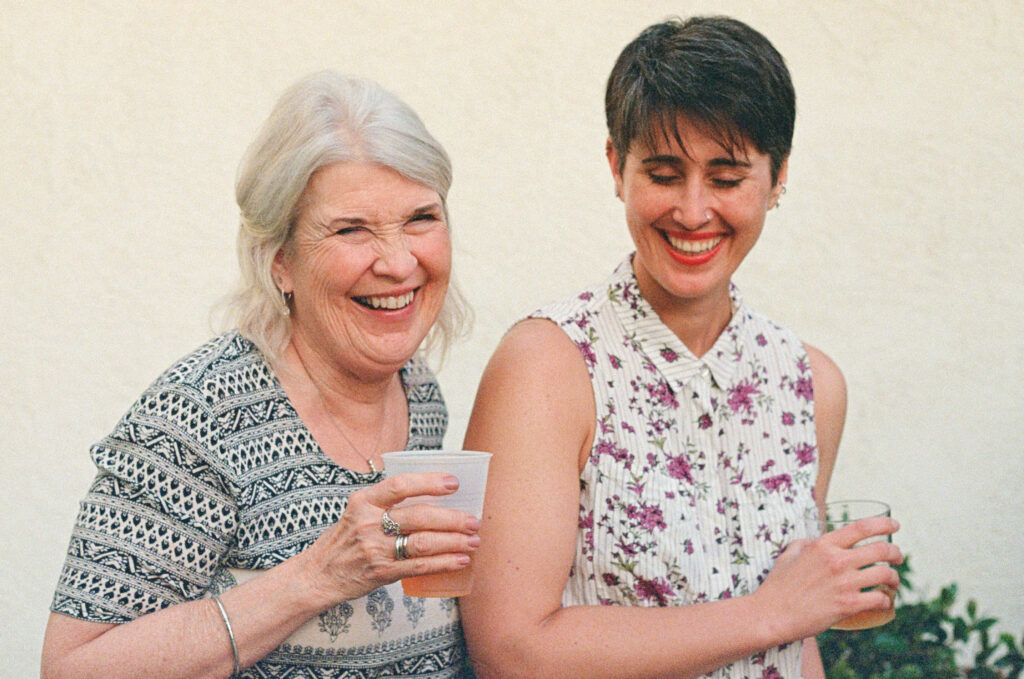
My wife and my mother, laughing together.

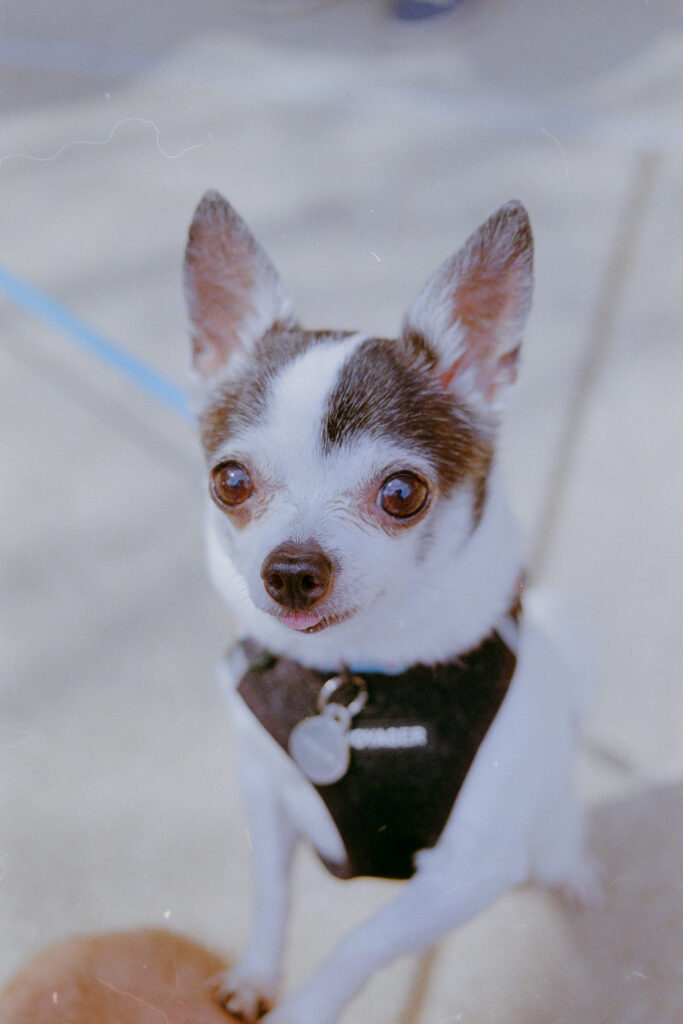
A very small dog named Chauncy blepping with his paw on my knee.

My partner Hannah in monochrome, obscured by a lens flare.

Sophie and Erin sitting in the sand and smiling, probably at Kat's beach birthday.

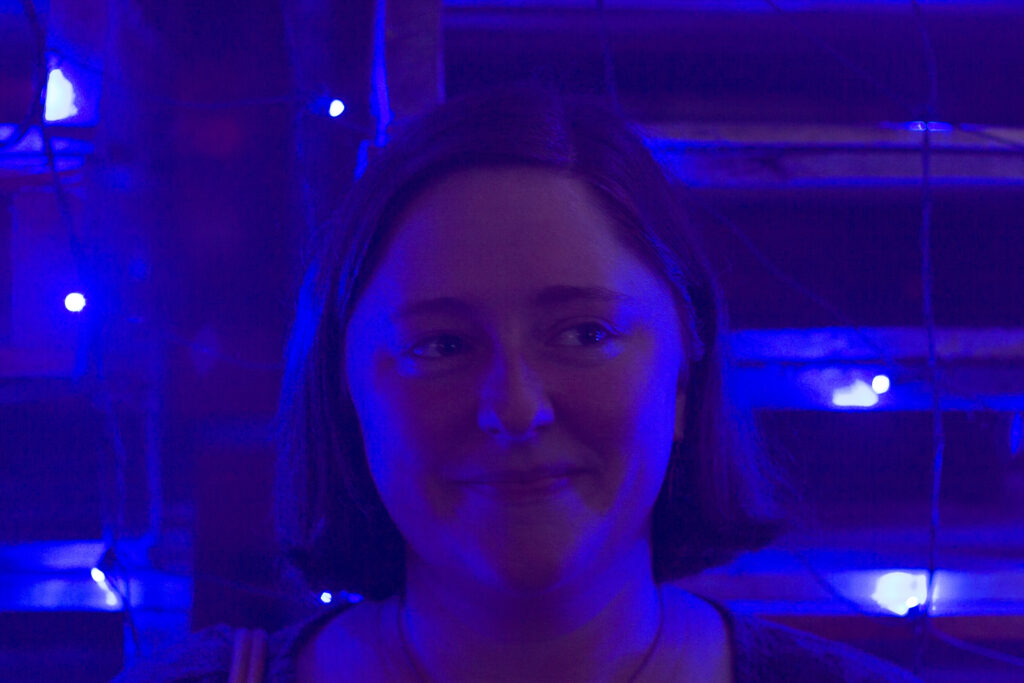
Erin at Bit Bash in 2015, lit entirely in blue.

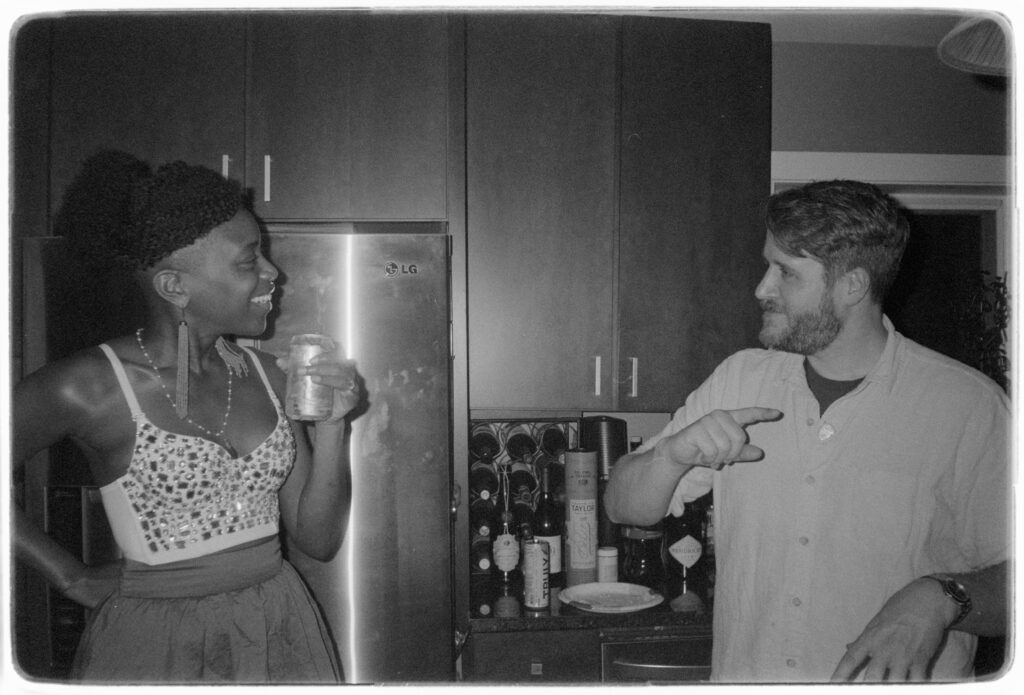
Ayo and Stephen, in a kitchen and monochrome, having a totally not posed conversation.

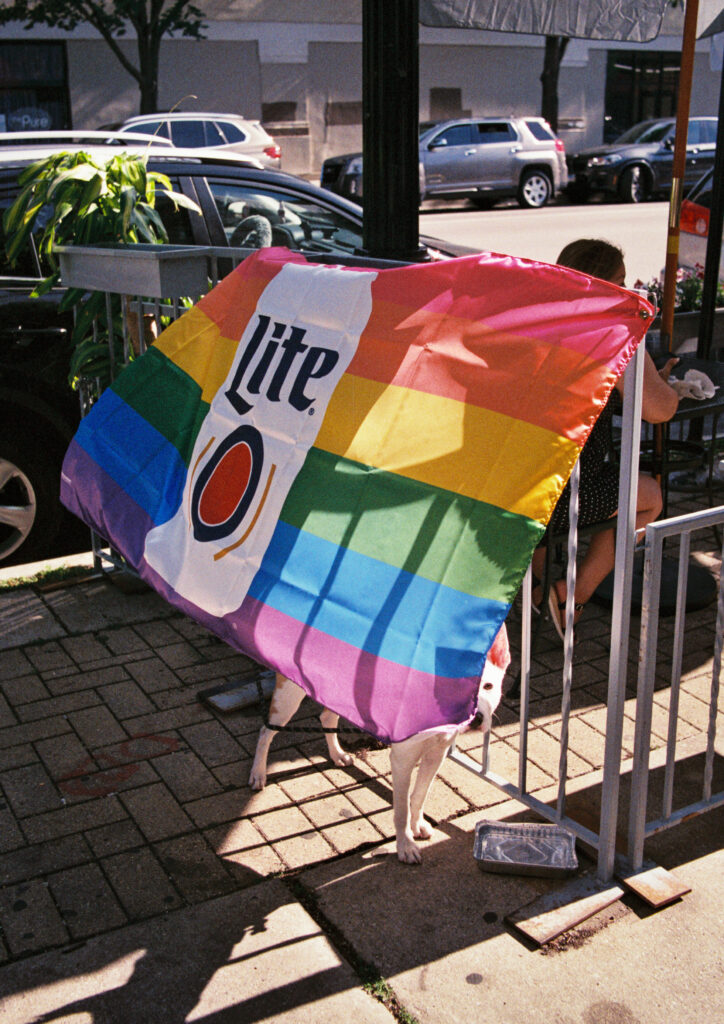
A small dog peeking nervously out from behind a Miller Lite rainbow pride flag.

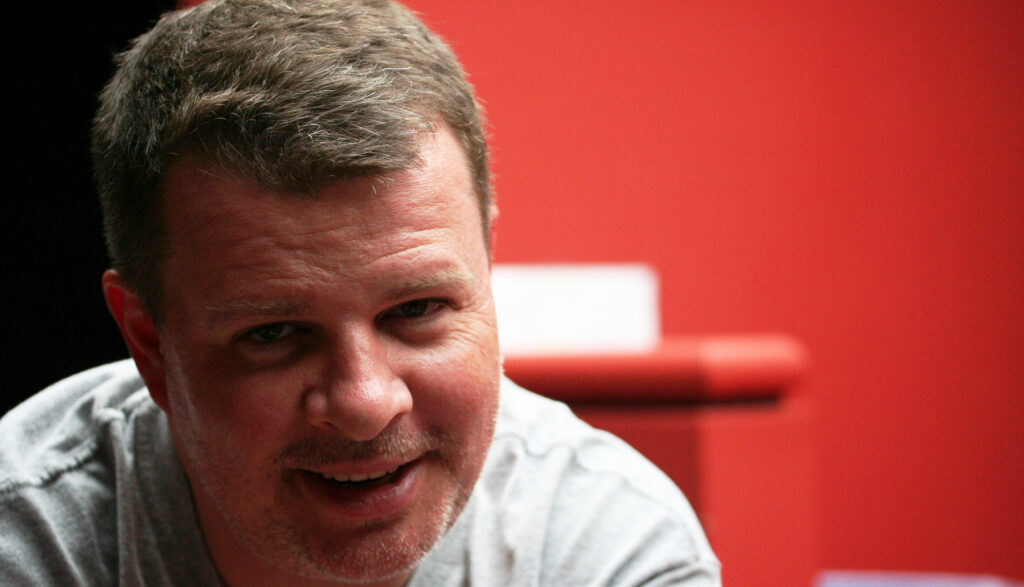
Chris, in a red room, weary in 2008.

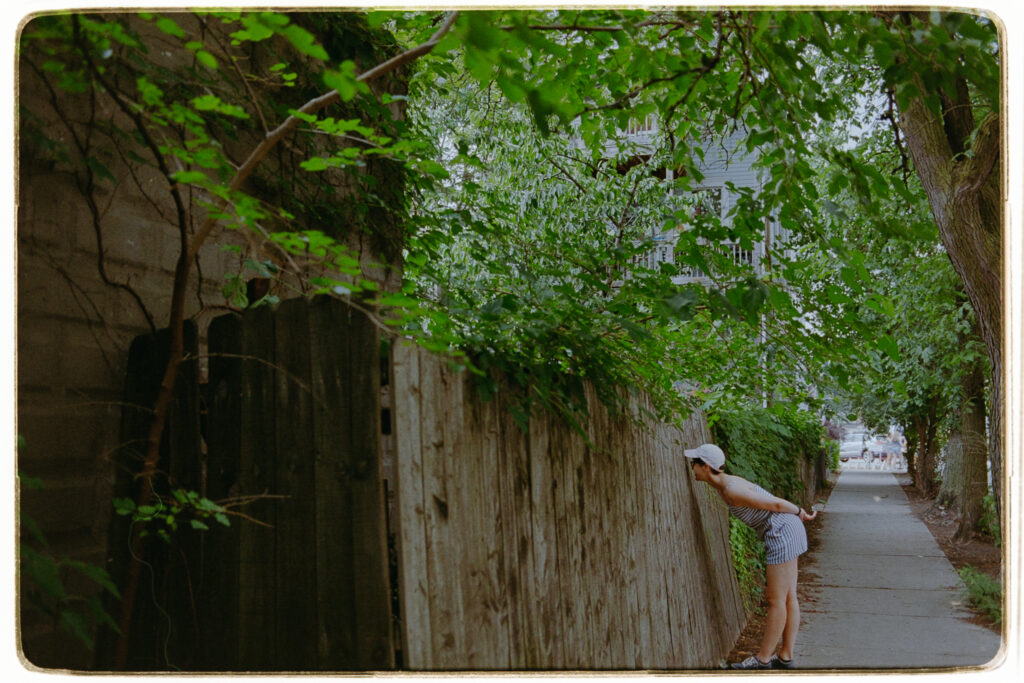
Kat at a distance, leaning down to peer through a hole in a fence.

A cluster of balloons escaping into the sky.

It’s actually “Twitters Brendan”

When I was a kid I had asthma. Growing up largely fixed that, but I still got attacks when I went running in cold weather; since running is the only exercise I enjoy or have ever been good at, I got into the habit of slacking off as the weather got colder. In late fall, for many years, I’d slip into a comfortable lethargy, stop caring about what I ate or how much I moved, and gain a bunch of weight that I’d then try to work off in the spring.

After I started recognizing this pattern I wanted to change it. Because the only motivation I understand is self-mockery on the Internet, last September I made a new Twitter account, WinterBrendan. I’d post as him when I caught myself in moments of sloth, gluttony and self-loathing. He hasn’t actually written that much, which is a good thing! It kind of worked, and I ate a lot better and worked out more (aided by the fact that I figured out how to run without asthma, which deserves its own post).

But WinterBrendan was only the beginning.

Within two weeks of his appearance, SOMEONE WHO SHALL NOT BE NAMED created SpringBrendan, which is the worst thing that has ever happened. SpringBrendan is a machine gun of incredibly lewd jokes, which, well, fine, except all those jokes have my face on them and people instinctively believe I am writing them. The worst part is that he’s fucking hilarious. The only thing worse than people scolding you for coming up with horrible things is people praising you for coming up with horrible things when you did not, and indeed could not.

There are apparently people who still don’t believe I don’t write SpringBrendan. Look! Here! I AM NOT SPRINGBRENDAN. YOU CAN TELL BECAUSE HE IS FUNNY, AND LIKES HIMSELF.

Unfortunately everyone else likes him too. Around the time this was going on, I realized I was coming up on my ten thousandth tweet. Because my friends (and their friends, and total strangers) seemed to enjoy seeing my face plastered on any old garbage, I took a grumpy few hours and wrote my first Twitter client, RealBrendan. It was pretty simple: a text box that hooked up to my actual account and posted whatever you typed. My 9,999th tweet was a link to it, and my 10,000th was “Go.” Then I went to lunch with a friend.

When I got back I was in Twitter jail.

As soon as people realized it was legit, they had unleashed a hideous torrent of raw, anonymous Internet. I once thought of my followers as a carefully curated selection of clever, thoughtful people with taste; now I know better. RealBrendan only went silent when it hit the ceiling for allowable-tweets-per-hour, which turns out to be 128. I got a lot of texts along the lines of “are you okay???” and “WHAT ARE DOING, TURN OFF,” and one person even figured out how to send DMs as me. Exciting! (If you authorize the Exquisite Tweets app, you can read a complete archive of the horror.)

I revoked the app and was allowed back on Twitter the following morning. I did feel a certain sick fascination with what had happened the day before, so I tinkered with the machinery so that it would maintain a queue and post at a more reasonable rate, then hooked it up to its own new account. Once people figured out there was no more immediate gratification, the torrent dropped to a trickle, but now there’s this kind of anonymous group-fiction thing going and it’s kind of fun.

Because ideas are unkillable, there are other accounts as well, and once again I DO NOT CONTROL ANY OF THEM. Summer called them Brendan-shards, which prompted me to start thinking of them as my Horcruxes, because it would be awfully hard to track them all down and also each one represents a horrific murder. They are GrampaBrendan, JoelBrendan and BrendansMcdald, and I strongly encourage you not to follow any them. Or the other ones. Or the actual BrendanAdkins, really.

Please RT.

TETSUO MILK

This is a Constellation Games post, just so you don’t get too deep into it without realizing that. There are spoilers, but only for the chapters that have already gone out to subscribers.

In late 2001, I spent far too much time on the forums for my favorite webcomic, Checkerboard Nightmare. They were hosted on EZBoard, a free/paid service that allowed you to assign custom titles to forum members based on how often they’d posted. Kris Straub, the strip’s creator, innocently filled these in with names from the comic; one of the upper ranks was Doctor Hot, a gag character who had appeared in exactly one panel. I think I was the first one to hit that rank, which tells you a lot about my priorities in college.

I embraced Doctor Hot the way a defensive tackle embraces an unguarded quarterback, and so did the rest of the forumoids. There were even fan-created spinoff characters, including his nemesis Professor Cold and their lovechild Profoctor Hold, whose title I would eventually steal for Davey (did I mention the forums are where I first met Stephen Heintz?). Kris’s reactions wavered between resignation and outright fury, which was his response to everything on the forums, but still.

The point of the foregoing: this was my first encounter with what is now called a “fan favorite” character. A link on Checkerboard Nightmare also led me to crummy.com, which is how I started reading Leonard Richardson’s writing, which of course leads to Constellation Games and its breakout star, Tetsuo Milk.

Leonard likes Tetsuo Milk more than Kris liked Doctor Hot, because Tetsuo is a real character and also Constellation Games doesn’t have a forum to ruin everything, but you can still read a little exasperation into his chapter 11 commentary. Rachel put it to me the other day that Leonard likes to examine the emergence of agency in his characters; Ariel’s struggle to become an adult is the obvious Campbellian case, but we’re already seeing subtler examples, like Krakowski’s little independent assignment, or the way Dana (a friggin’ phone app) has started to assert her needs in a way that forces both Bai and Ariel to take significant action on her behalf.

But Tetsuo already has agency. Tetsuo has too much agency, which is how he’s able to (per Leonard) grab the plot and “run off in some weird direction.” He also has too much optimism, in contrast to Ariel (and uptight Jenny, and cautious Ashley, and fuck-the-system Curic); he’s the kind of person who actually does see every problem as an opportunity, which of course drives everyone around him crazy. The worst part is that he inhabits a postscarcity megacivilization with near-limitless resources, so he’s usually right.

Much as with the bad Doctor, I love Tetsuo Milk without reservation, and not just because he gets most of the good non sequiturs (“Hot!” would be a pretty good Tetsuo line). He’s the book’s mascot, and the recurring reminder that in spite of all the friction and pitfalls and broken partnerships, in the world of Constellation Games things do get better. Gifts fall from the sky. Refugees get rescued. You don’t even have to ask to walk on the moon.

Been meaning to write this for three months

A while back Stephen was telling me about those Patrick Rothfuss books for which all nerds have hard dicks. “What’s the best part?” I asked.

“This guy Kvothe gets up on stage and plays his lute, and it’s really moving,” said Stephen. “But not gay, because he has magic powers that make every woman want to bone him.”

“Uh huh,” I said.

“Fine,” he said, “what are YOU reading about?”

Gun-toting bug-eating Muslim lesbians in space,” I said.

Okay, that isn’t strictly accurate. The primary protagonist is agnostic and the secondary one is a dude. But there are lots of guns, lots of bugs, lots of brutality (eg women throwing punches), lots of Koran-analogs, and lots of great characters who aren’t white even on the cover. It is not gentle in introducing its weird setting, and is very mean to everyone you like, and there is torture in it! So avoid it if that’s going to bother you. But while everyone’s sputtering over how many darlings die in George R. R. Martin, I’m going to be over here trying to wave you toward God’s War, easily my favorite book this year.

Dear both of my remaining readers

You may remember that Stephen and I used to do a podcast! Then, we got tired, and he bought a condo, and I got a job where I couldn’t spend all day fucking around and editing podcasts. So the podcast stopped!

We’ll be on a biweekly-if-we-can-manage-it schedule for this season, but it’s for reals. We’ve got some amazing guest stars lined up that I can’t even tell you about–because I decided not to. I hope you will listen! But only if you like mean jokes about bad people.

He even managed to include the Secret Bonus Criterion! (dog sex)

Over on the Facebook feed, Stephen kindly took it upon himself to respond to my last post with 101 words that simultaneously satisfy all my plot-criteria:

Melinda looked down at her gun. “I had no idea this had so many bullets in it,” she yelled. “Turns out I’m pretty powerful, even though I am a woman.”

A pause for dramatic effect, then: “Now if I can just quit being so sad all the time, I can find out who had sex with all of my dogs.”

Melinda had thirty dogs.

Suddenly, her phone rang! It was her best friend who said, “I had sex with your other best friend yesterday!”

Dramatic pause. Then she (the best friend on the phone) said, “My desires are tearing us apart!!!!”

So that’s that, I guess. No more need to read stories! Thanks, other stories, you can go home now.

Skip this one, Mom

In mid-writing session:

Brendan: It’s a pretty old joke structure, but as Tina Fey has pointed out, if you get to a certain gag density people don’t notice that kind of thing. Many of the jokes in Arrested Development are groaningly old, but nobody notices because they come so thick and fast.
Brendan: … This is the part where you make a joke about coming thick and fast.
Stephen: I WOULD TOTALLY COME THICK AND FAST WITH TINA FEY
Brendan: There you go.
Stephen: BOYOYOYNG