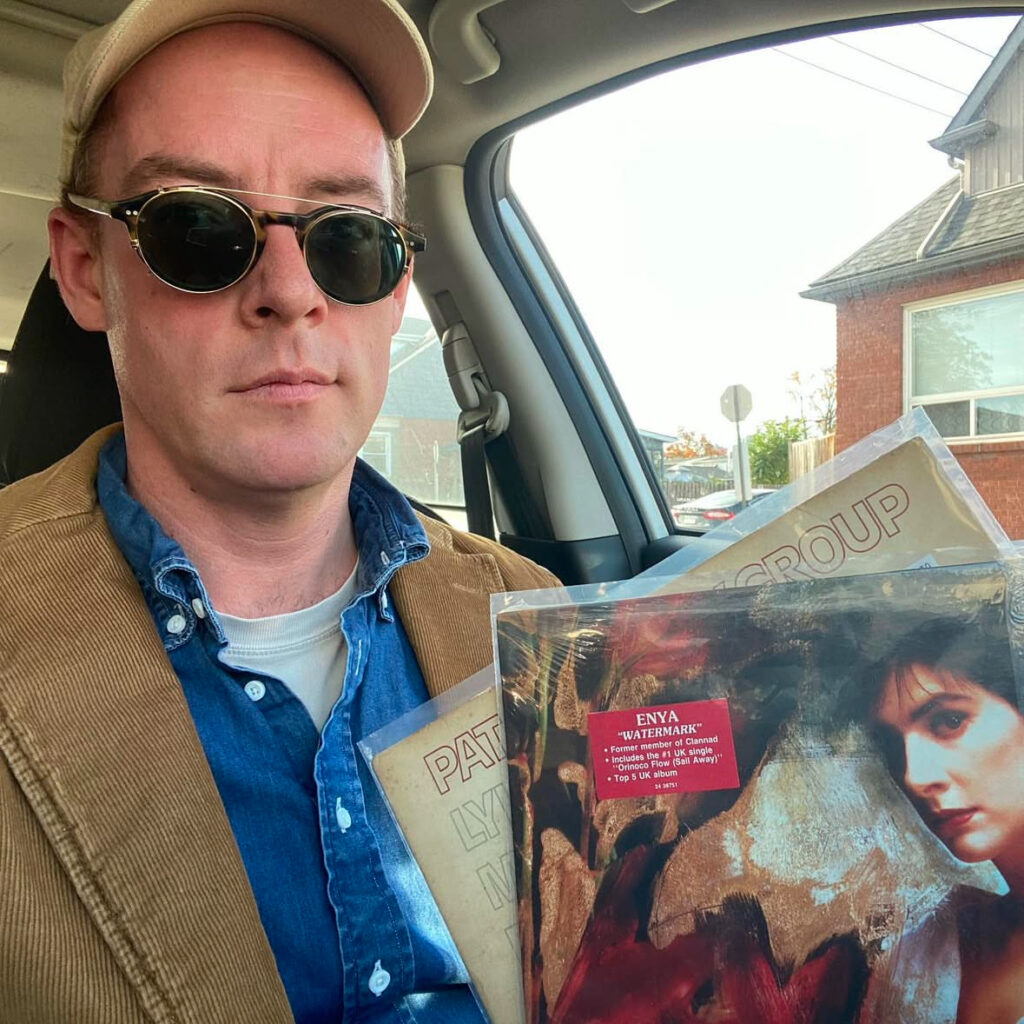
In my mortal frailty, I am still known to frequent the social media platform “Instagram,” where daily I strive to evade a thicket of deceptions in vain labor to indulge my own voyeurism. Over time the adversarial servers marshaled there against me have determined that I will interact with their advertising metrics if they show me posts by a man named @tuna_salad_on_white. I no longer remember how we first encountered one another, but I do find his expressive taste and reserved captions welcome, as they constitute a fine astringent for my daily portion of social media slop.
Because Tuna—whose nom de loi is Andrew—has kindly responded to a few of my messages over the years, I thought I would press my luck and ask to know him better by way of an interview. Is this a thing I do on my blog now? I guess so! The following is haphazardly collaged from a brief series of emails, which I say because “edited for length and clarity” makes me sound much more professional than I am. Hyperlinks are my own; all photo credits to my interlocutor except the one I took.
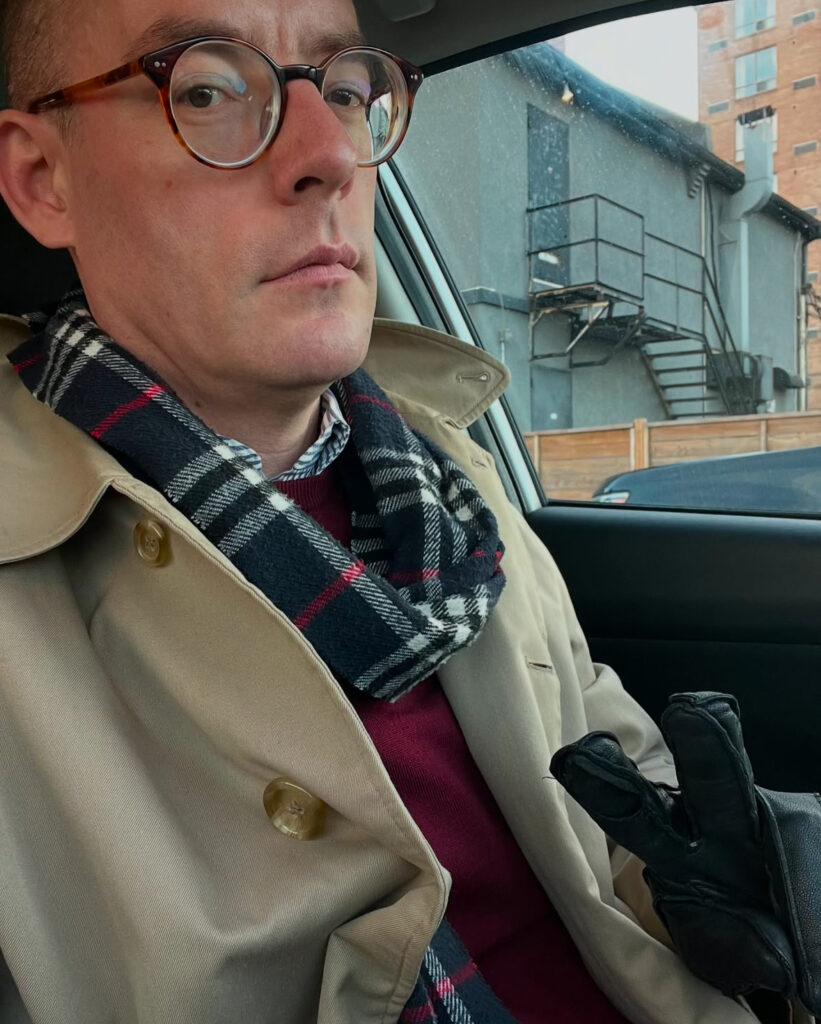
I was going to ask you about whether you would consider yourself an aesthete, but then I looked up the word to make sure I was using it right, and it turns out it can mean either one who appreciates artistic qualities and beauty in all things OR someone who values the qualities of appearance in things above all else, including their function: which is to say I’m not sure what I would be implying if I led off with that. So, is Phantom Thread (2017) your favorite movie?
[Hits play on Philip Glass’s Music in 12 Parts, cracks knuckles, opens laptop]. So Brendan you’re coming in strong with that first one, let’s see if I can give an answer worthy of the question. I would say that instead of an aesthete, what I aim to be is an ascete, forever seeking to simplify my life to the essentials—cats, good food, a modicum of physical activity, human contact and art (and work on occasion of course to pay for all of that). Of course trying and succeeding are very different things.
I don’t know that I would qualify as an aesthete, as I am simply not capable of achieving the total effect. I feel like a true aesthete is someone who maintains a perfect apartment with that one perfect chair, that one perfect vintage Chabrol poster, and a clothes rack with exactly three shirts, two pairs of pants and two pair of shoes, everything else ruthlessly edited out to maintain perfect taste. I am pretty much the opposite!
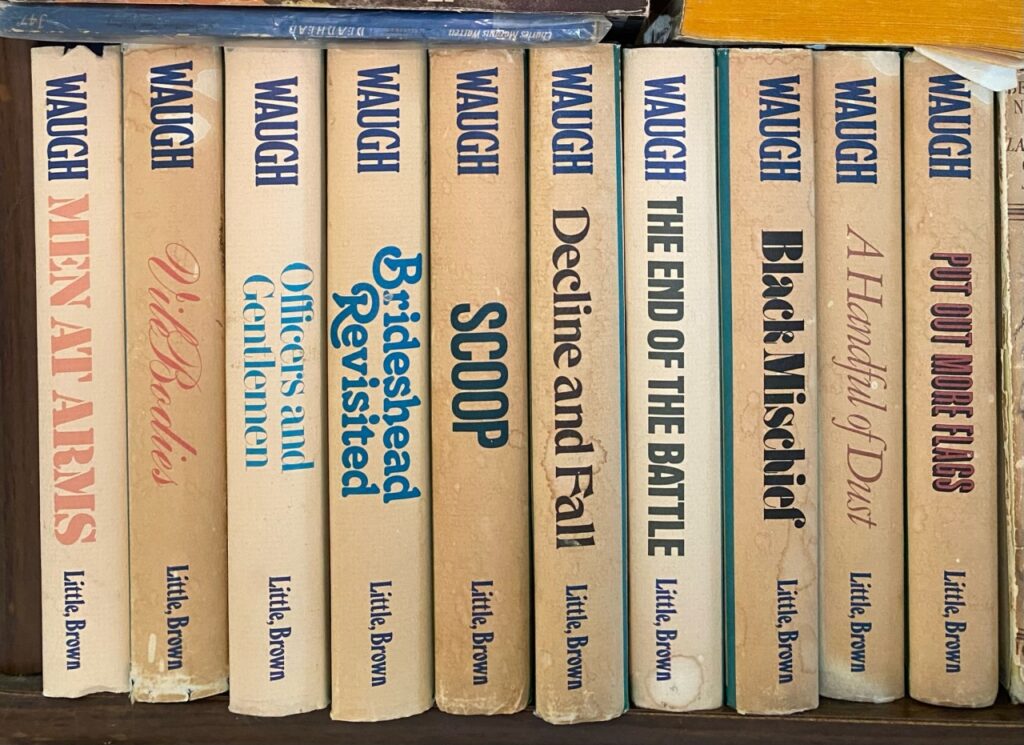
I find artistic expression in individual objects, whether a vintage paperback, a classic movie, a collected book of paintings, a pair of just so black penny loafers, or an old record, and simply cannot edit my collection with the severity of a true aesthete. In short, my bookshelves are heaving, my shoe rack is groaning and the dead media objects are everywhere. I also tend by disposition to be happiest in a properly cluttered space (to the chagrin of my significant other, who really wishes I would sell off or at least store more objects out of view).

Forgive the digression, but I was always struck by a scene in Walter Isaacson’s Jobs biography, where he describes how Jobs chose to have an empty living room for years because he would rather have no couch than a couch that was less than perfect. That’s not me! I would definitely prefer to have a ratty, tatty old couch than live one day without a place to sit.
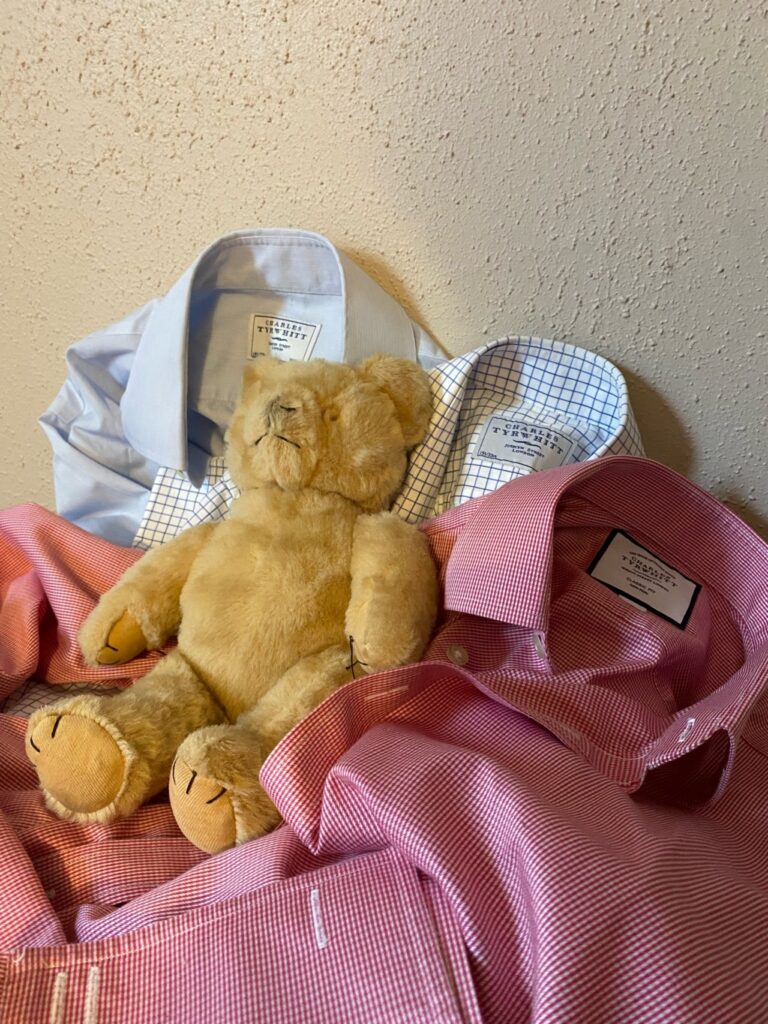
So in short, if I am an aesthete it would be in my appreciation of items in their individual beauty (which is why I have an absurdly large number of vintage teddy bears) but I am incapable of editing this down to any essentials, and my aesthetic, insofar as I have one, scans as dusty bookshop prep.
As for Phantom Thread, I’d probably give the edge to The Red Shoes, but that is by no means a slight on a perfect film. Anderson showed a level of quiet mastery, a detailed knowledge of tailoring, and an understanding of the finer points of relationship power dynamics that does make for a very satisfying movie. As someone who is often equally obstinant and curmudgeonly as Woodcock, I also very much enjoy his wit.
This is such a more thorough and well-considered answer than I could have hoped for! Among several good turns of phrase here, I have to ask more about “dead media objects.” What forms of media do you gather under the umbrella of that term? In the theater of my mind I’m starting from Hirayama’s cassette tapes and dime novels from Perfect Days (2023), adding in your import magazines and vinyl, and then embellishing with reels of 8mm celluloid and a few racks of letterpress type.
I have a lot of friends who are dedicated media collectors, and I definitely don’t think I take it as seriously as they do. I don’t watch VHS tapes or laserdiscs at home for instance, and am more than happy streaming nearly all of my movies these days. That said, I do still listen to records and CDs, but I try not to be too precious about that and am also happy listening to music streaming too.
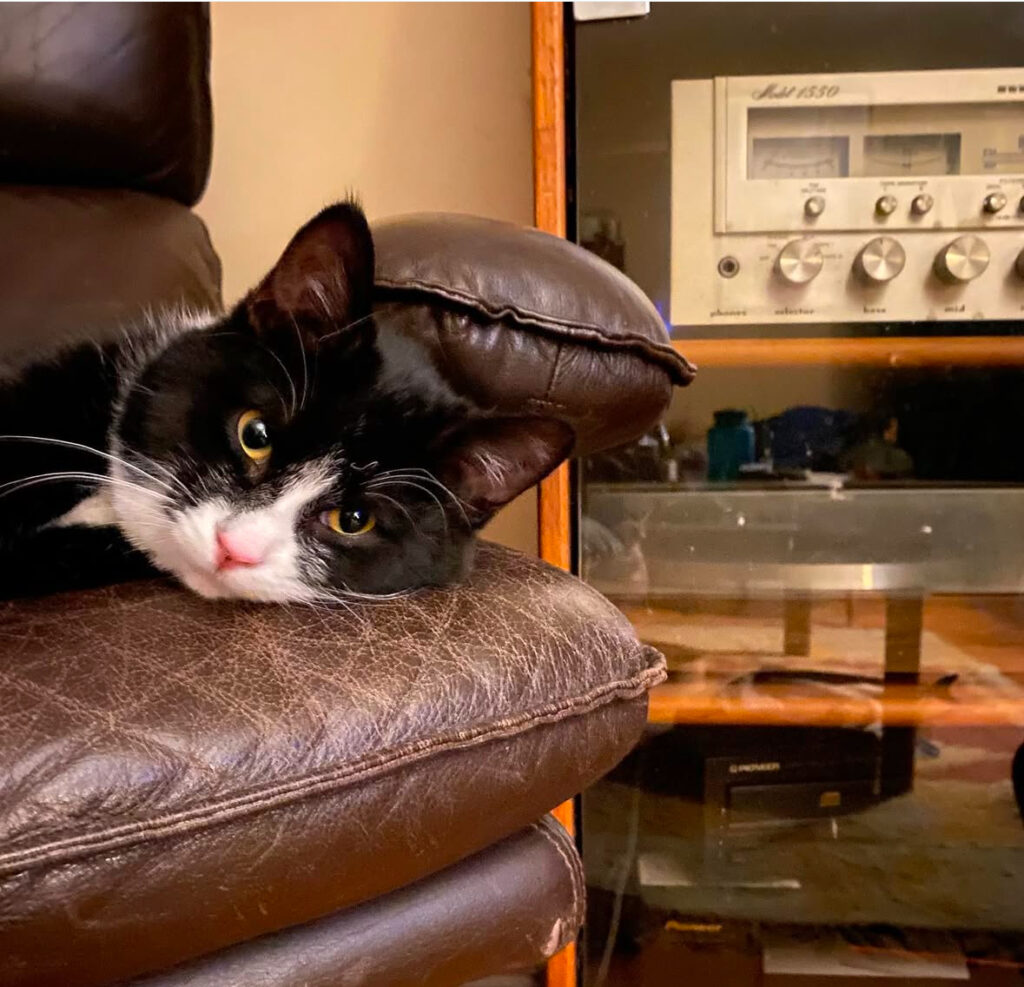
But returning to the question, I like the expression dead media objects as it captures something about the fact that a lot of these objects have lost or seen their cultural capital change with time. It was not that many years ago where we all watched Sopranos on DVD whereas now I think that is much more limited to a dedicated few. One thing it also captures for me is that the objects themselves have to some extent lost their practical value.
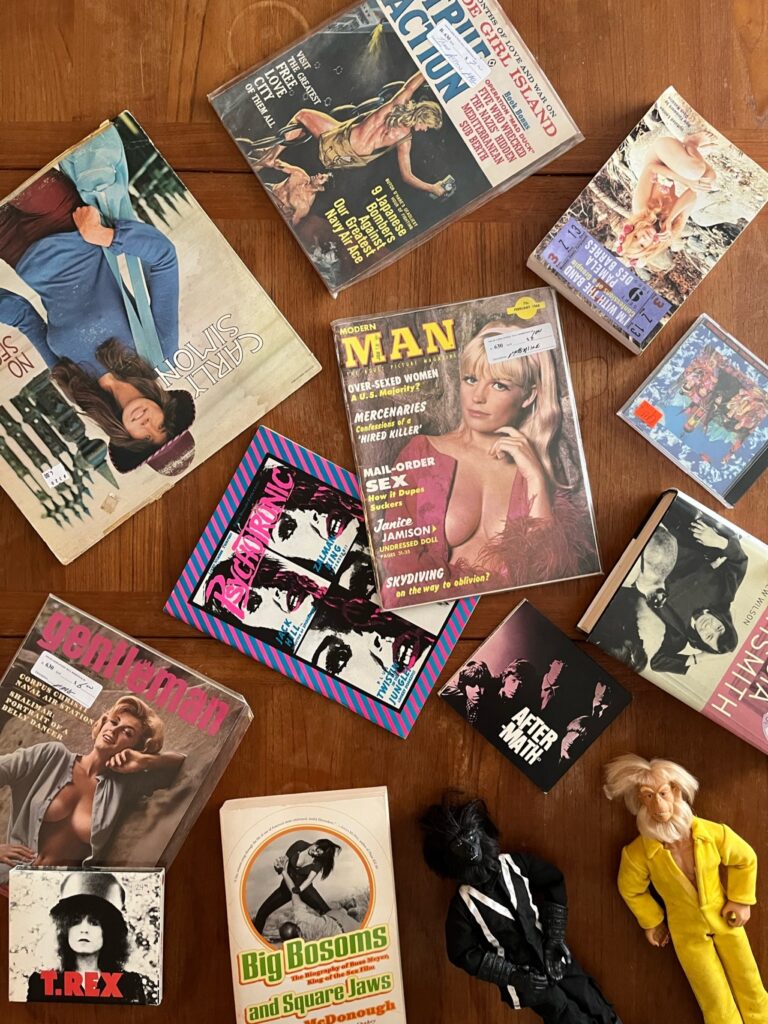
For instance, I have been kicking myself for years now for not buying a copy of Brian Eno’s Music for Airports on cassette. It was such a perfect object—I loved the dimensions, the way the art was reduced in that way that tapes (a vertical object) had to figure out a way to fit the square record cover art usually somewhat awkwardly on the front—but also totally useless. I have the album on CD (and possibly on record—been awhile since I checked), and it’s on Spotify and likely YouTube. Why would I want that cassette? But I totally do, and I still think about it all the time.
So for me, dead media objects captures these physical items that were once ubiquitous, now past their prime but still attractive to me. There is a tension I find myself thinking about a lot between these items having artistic and aesthetic merit but always at risk of marking one as an anachronism, which I try to avoid, at least partially and not always with much success.
Years ago, we had a brief discussion of imported menswear magazines, I think specifically Free & Easy or Popeye. You said you used to order them at a Hong Kong magazine shop in Toronto; I wondered then and wonder still whether the shop closed, or its selection changed, or you simply moved on in the circumstances of your life. When you post ephemeral stories to social media, do you consider their impermanence a kind of tribute to the vanishing artifacts of the past?
So the story behind this is a fun one. Toronto and its various suburbs and metropolitan neighbours are very much multicultural and constantly in flux. One example of this is Pacific Mall in nearby Richmond Hill, which serves the ex-pat Hong Kong and Chinese communities. Buried at the edge of its food court with the various hand-made noodle and dumpling shops was a Cantonese / Mandarin book and magazine shop.
The woman who ran it did not generally stock Japanese magazines, but on a hunch, I asked if she could get Free & Easy, Lightning, Brutus, Fudge and the like, and it turned out she could. We then made a deal in which she would order new issues for me, and I would show up every other month or so, and then buy a pile of them. They were not cheap however and at a certain point, I had enough issues to make furniture stacks from the piles, so I had to stop. Sadly, that shop is no longer around. I suspect that she retired, closed the shop and moved back to Hong Kong, which is where her children were living, so she could be with her grandchildren.
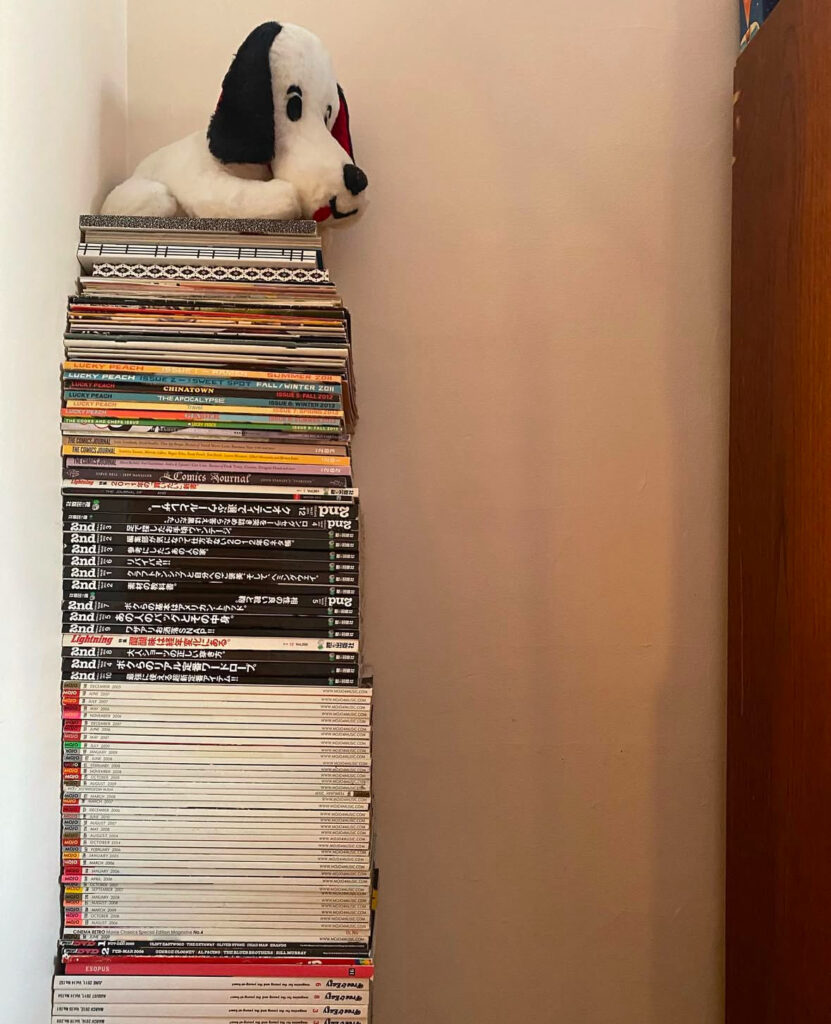
Those magazines played a major role in establishing my taste in style, which definitely gravitates towards older men’s style based on mostly American and British sensibilities, which of course it takes someone who does not live in either country to reduce to their essentials.
This led me down a thread of thought about what American and British sensibilities in their turn have done with the culinary products of—you know what, never mind. The question I actually want to ask is about your username, which is to say, what qualities do you think are of chief importance to a perfect sandwich?
So actually, for the first few years of my account, it was called @Andrew_in_TO. I moved to Hamilton though making the name a bit misleading. A friend used to tease me about it, so I decided to change it to its current @tuna_salad_on_white, which with the benefit was a much better name. Of course, I now get called Tuna all the time, which mystifies my irl friends (those who know I have an online presence anyway).
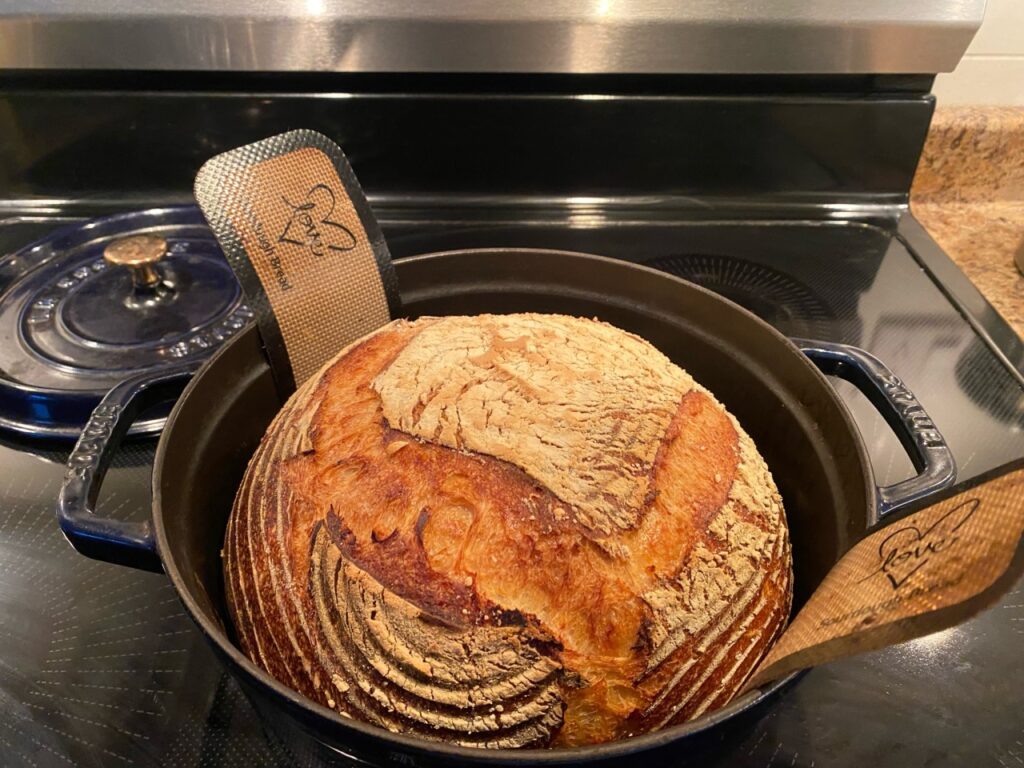
As for sandwiches, I love them, but I actually do not think I make a very good tuna salad! Left to my own devices, I’m generally a cheese, tomato and feta guy with lots of mayo on sourdough. If however I am out and about, tuna salad is my go-to. I have little patience for huge, too hefty sandwiches, and tuna salad on boring, non-exciting bread is a reliable, comfortable fave.
You have mentioned that at different points in your rakish past you maintained both a blog and a zine, two media which had their moments of mainstream ascendancy and have since been largely dismissed even though their respective subcultures refuse to die. So what were you going to call your podcast?
Like most people, I am defined by my contradictions, which in my case include the warring tension between my desire to be left alone to pursue my passions in private away from bother (reading novels and watching movies does generally require locking the smartphone away) and my love for communicating with others who share my passions (or at least tolerate my nonsense by keeping their negative opinions to themselves).
In short, it is really hard not to care as deeply about art, aesthetics, culture and all that as I do and not have an outlet for sharing that passion with others. As a kid in high school, I published a few issues of a zine, which consisted mostly of my scribblings (I drew a lot more then), pilfered photocopied art from old movie posters and indie comics, and lengthy reviews on whatever I was obsessed with then—1950s-70s b movies, garage rock and exotica, all things Hong Kong and Japan, and Columbo (not much different than now!). I circulated this among my peer group, who were bewildered by my tastes but did get a laugh from my evident passion. Later in my 20s, I did a blog that was pretty much more of the same, adding some local Toronto content, and while I very much got something from writing it, my audience was entirely bots and bewildered strangers who had found the page by accident. I was shouting in the void, as they say.
Instagram works for me, though I think I use it differently than most people, as I basically just treat it as a blog or zine and exploit the fact that people follow me out of a perverse sense of social obligation to have a ready audience.
Regarding podcasts, you’ll never find me there. To refer to the work of a fellow Canuck, in Marshall McLuhan’s terms, I am a cold media guy. I like my discourse dispassionate and not especially exciting, with a definite preference for the written word (with some visuals for illustration). I recoil from the podcast / YouTube world of excessive “hot takes”, exaggerated facial expressions, and loud voices. If more podcasts felt like a BBC broadcast, I might feel differently.
Now see, this is such an interesting note because my acquaintance with you up to this point has been visual-first, text-second. I enjoy the dry urbanity of your Instagram captions, but of course those are only for grid posts! I find your stories more like a wordless collage, with images composed in linear sequence rather than two-dimensional juxtaposition. Do you have a guiding principle for how you order them, or is it more intuitive?
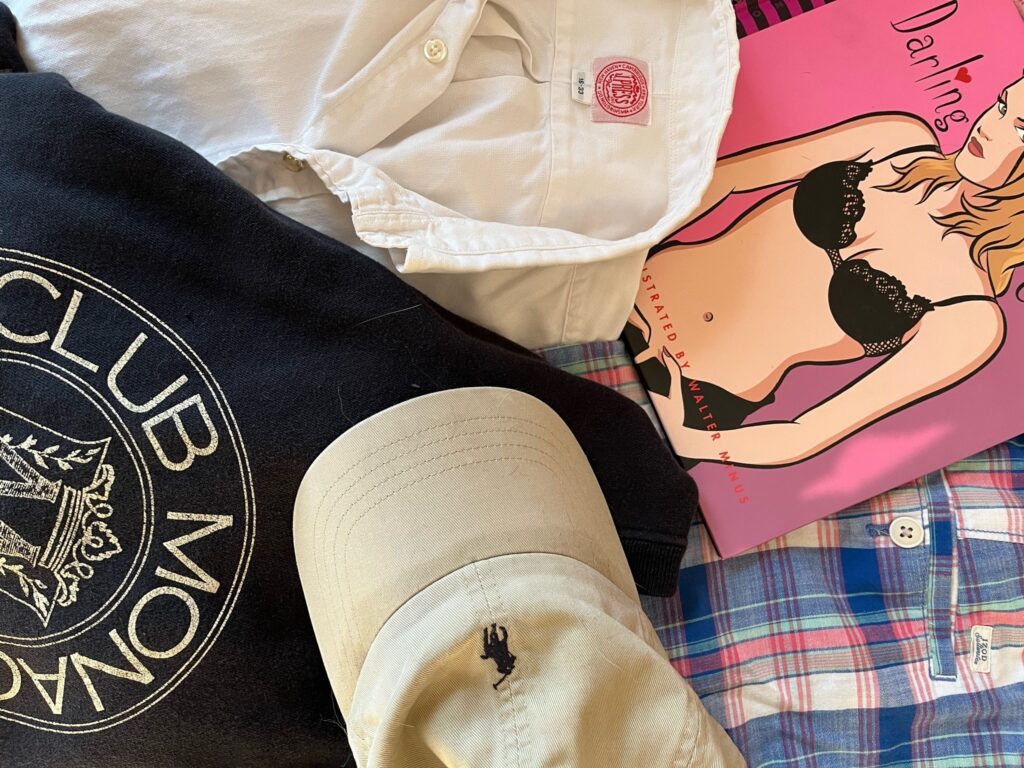
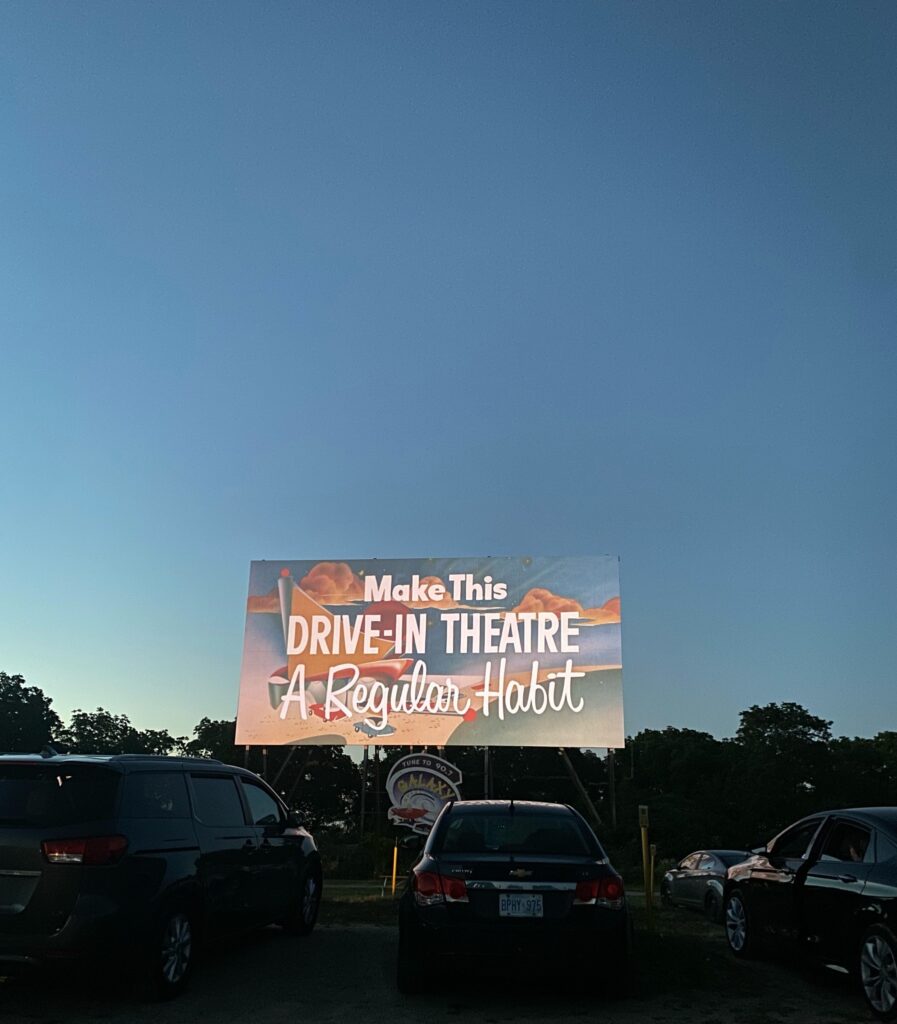
The story posts are pure id. I try not to overthink them, though there is usually a bit of logic in that I try to get something in there that is vaguely ivy / trad / menswear-ish, some retro culture / Hollywood, a chiseled ab or two, definitely some cluttered interiors, and a cheeky shot or two because life is short, and the human body is refreshing. Of course, if I had any real impulse control, I would show some restraint and cut that off after 3-4 pics, but by the time I am done, my stories are running 20+ posts long—which even I roll my eyes about. I just hope that my friends enjoy the ride, drop a comment or two, and find some inspo in the posts that work for me.
The tone of this email, which I hope comes across as affably caffeinated and not just unnecessarily combative, was spurred on by the stimulative effects of my favorite frou-frou coffee drink, called the Fireside Latte because it includes a spoonful of lapsang souchong syrup and a sprinkle of smoked salt on the foam. What is the closest beverage to you as you read this, and should I capitalize “lapsang souchong” as part of my house style or not?
That Fireside Latte sounds delicious!
In my older, wilder days, it would have been a very crisp gin martini with French vermouth and a twist (well, not at 8:00 am—I was never that wild). These days, it is coffee in the morning (stove top moka during the week; French press or pour-over on weekends), sparkling water during the day and maybe Earl Grey or Sleepy Time at night.

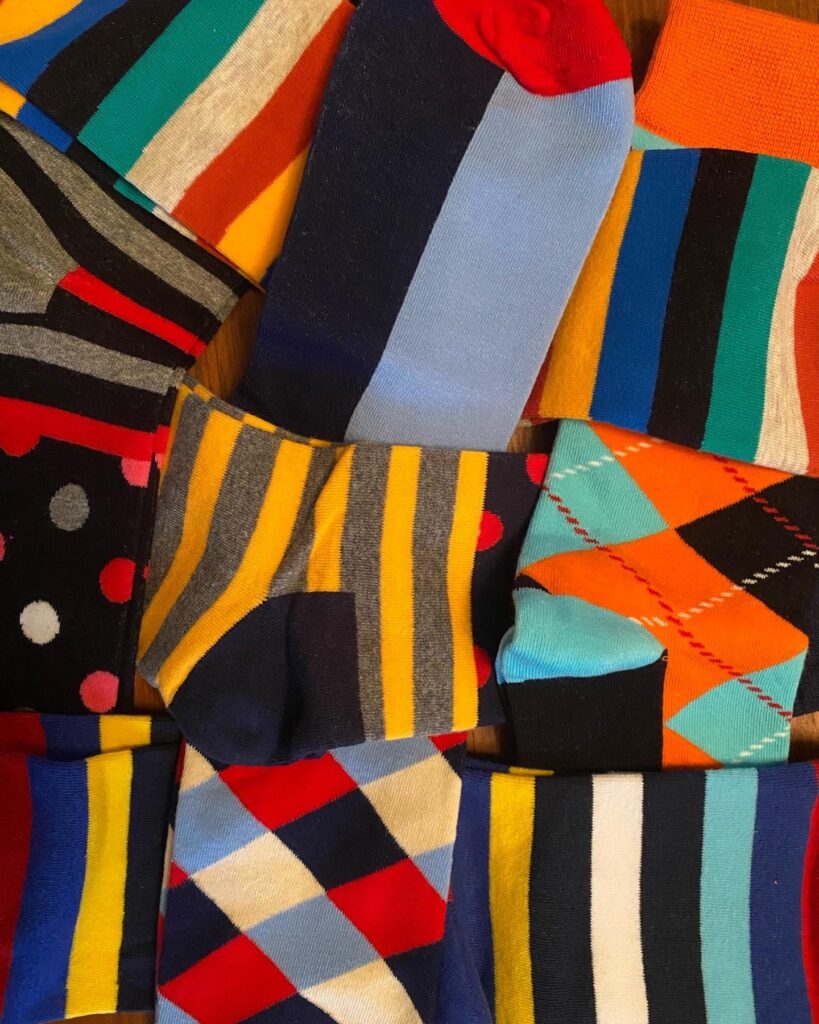
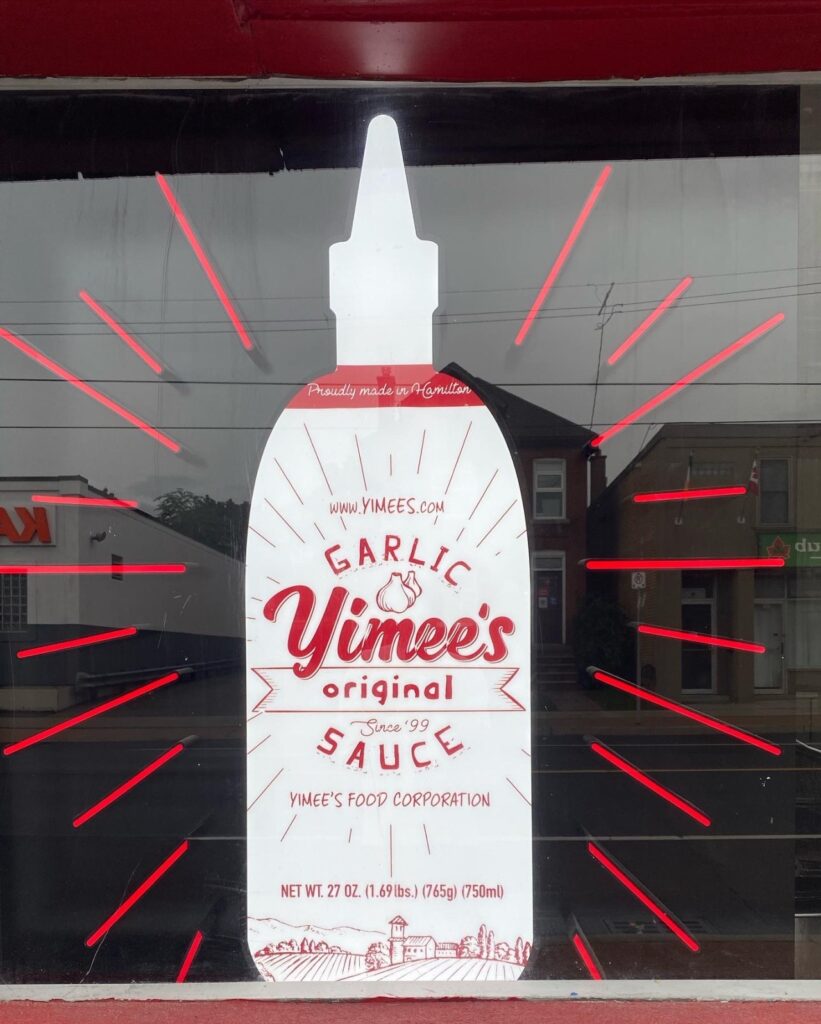
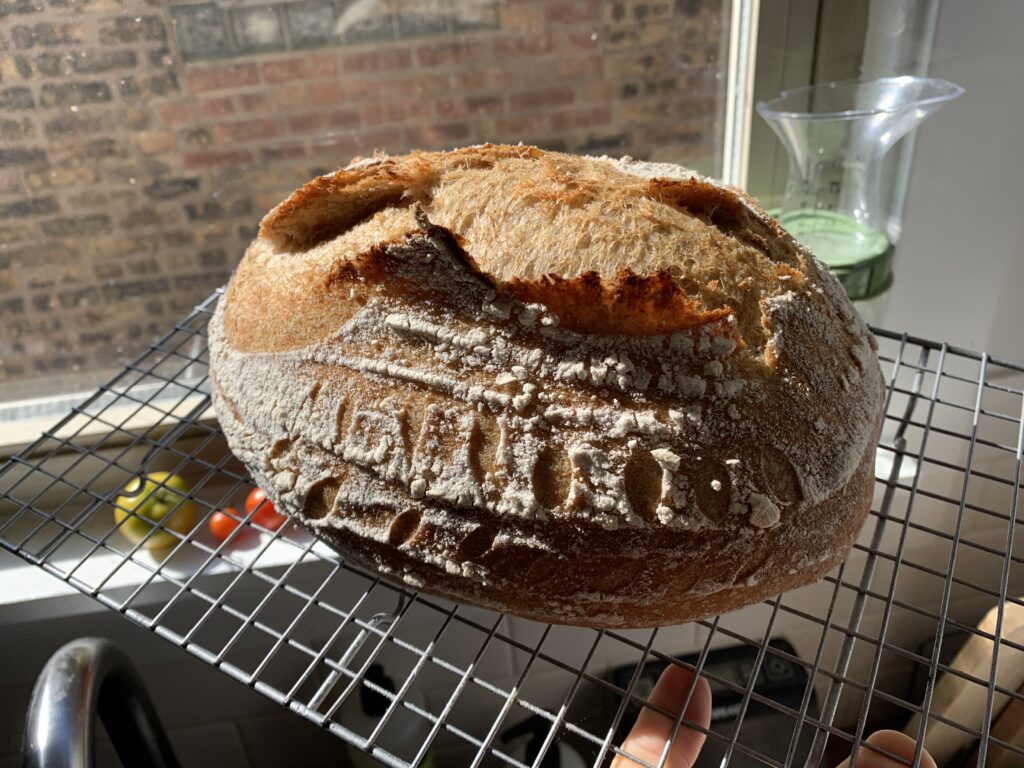
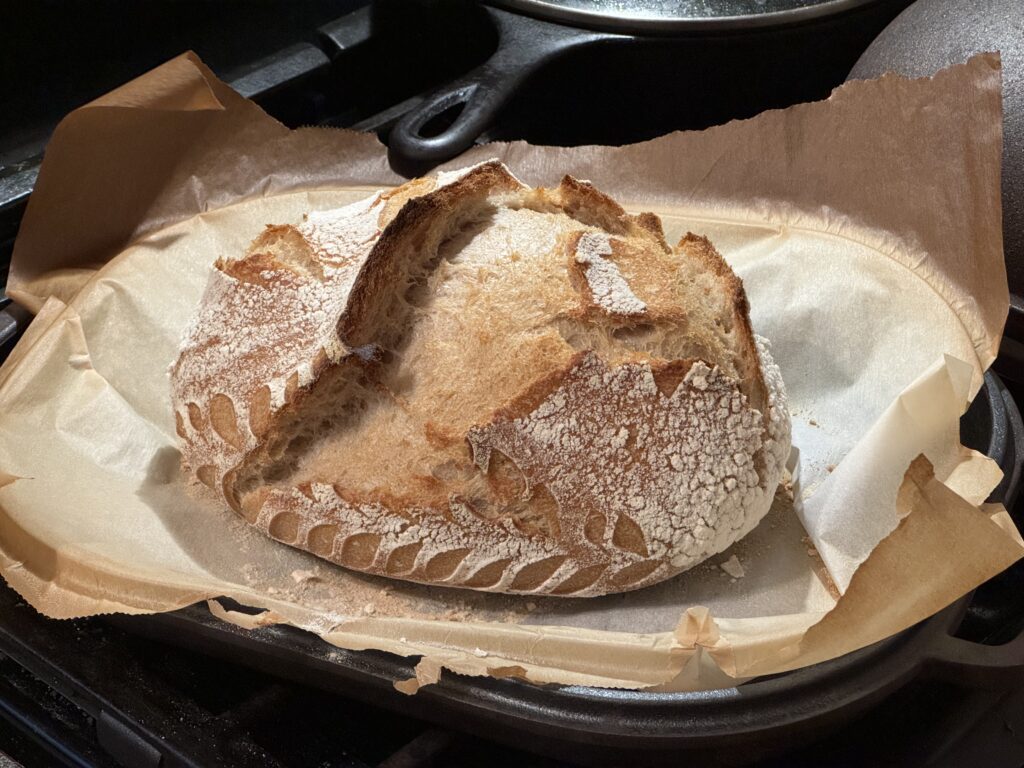
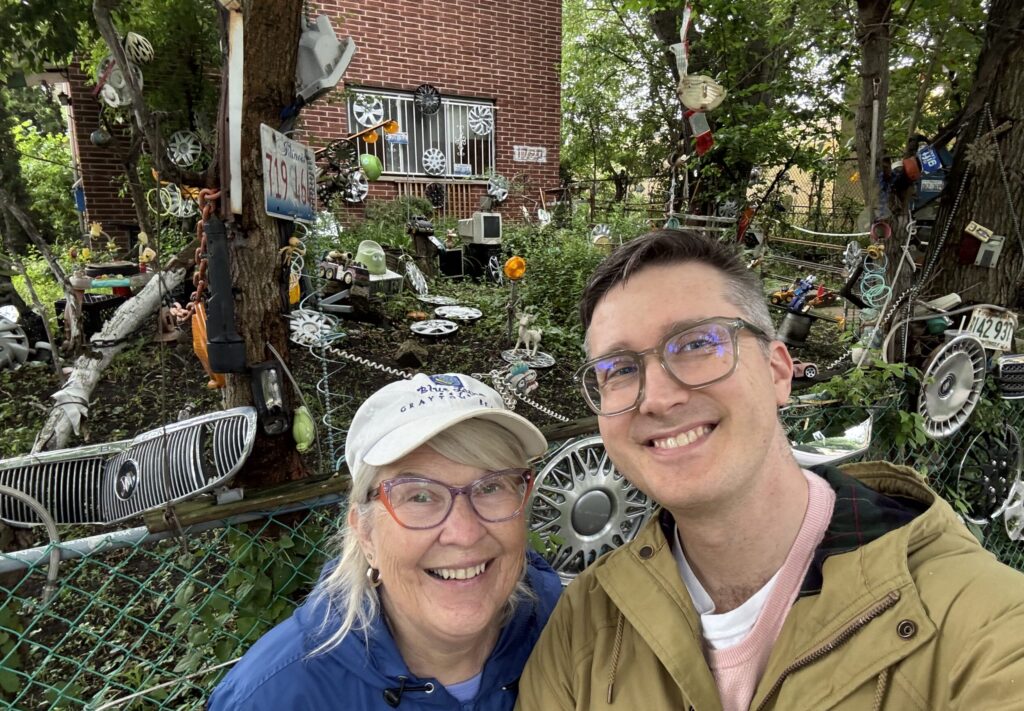
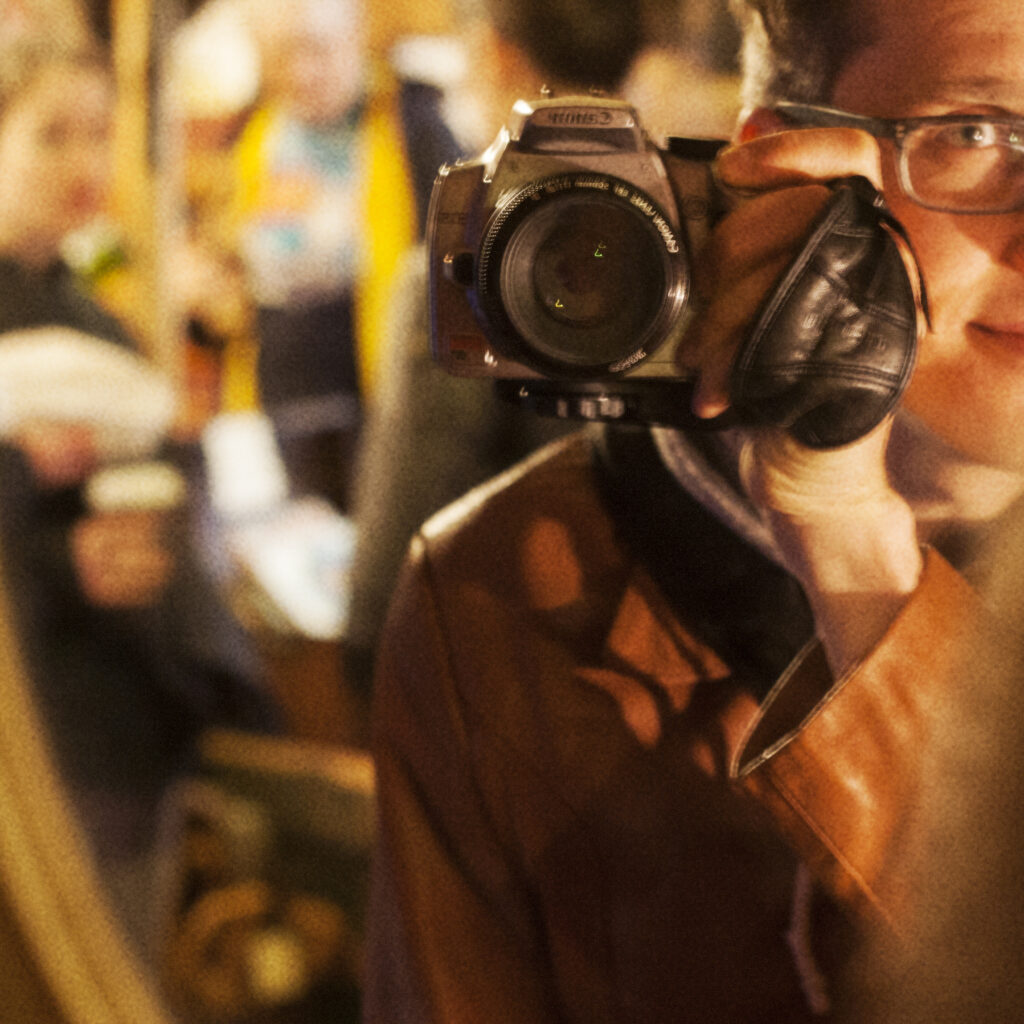
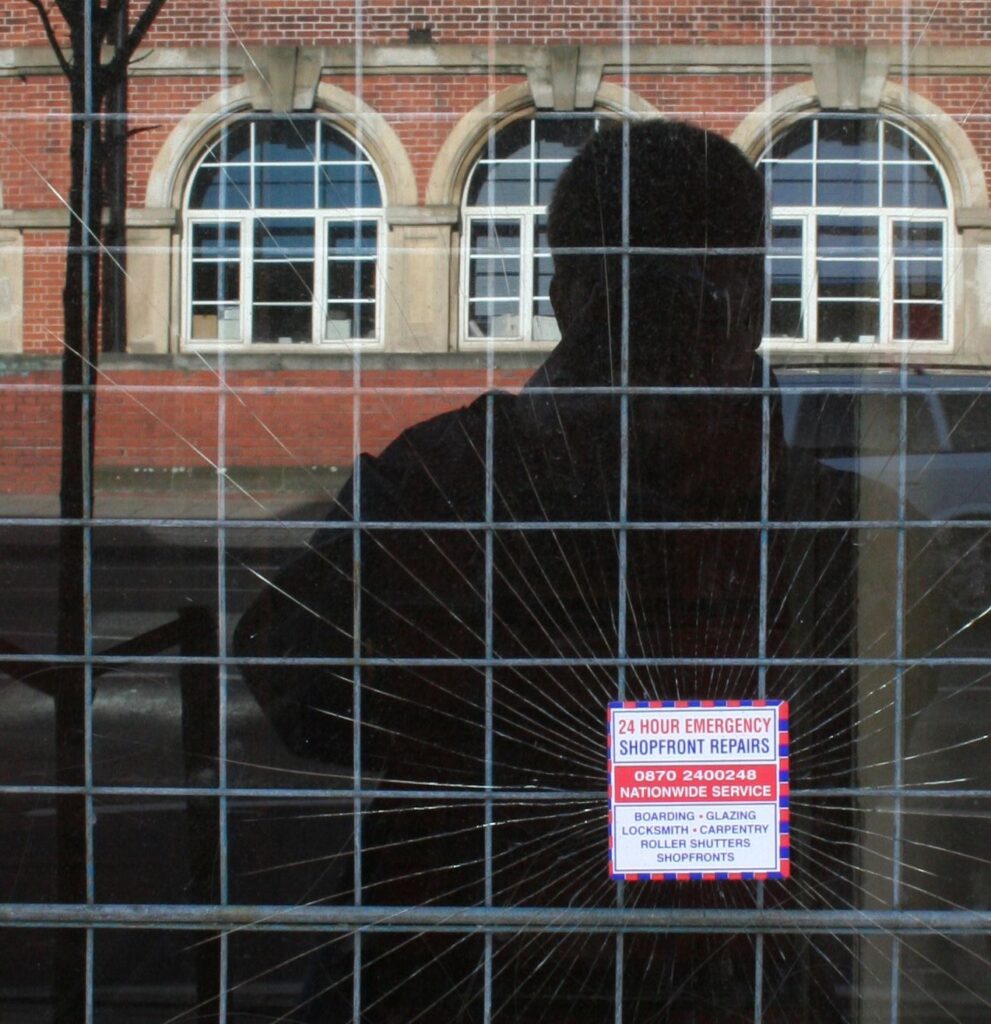
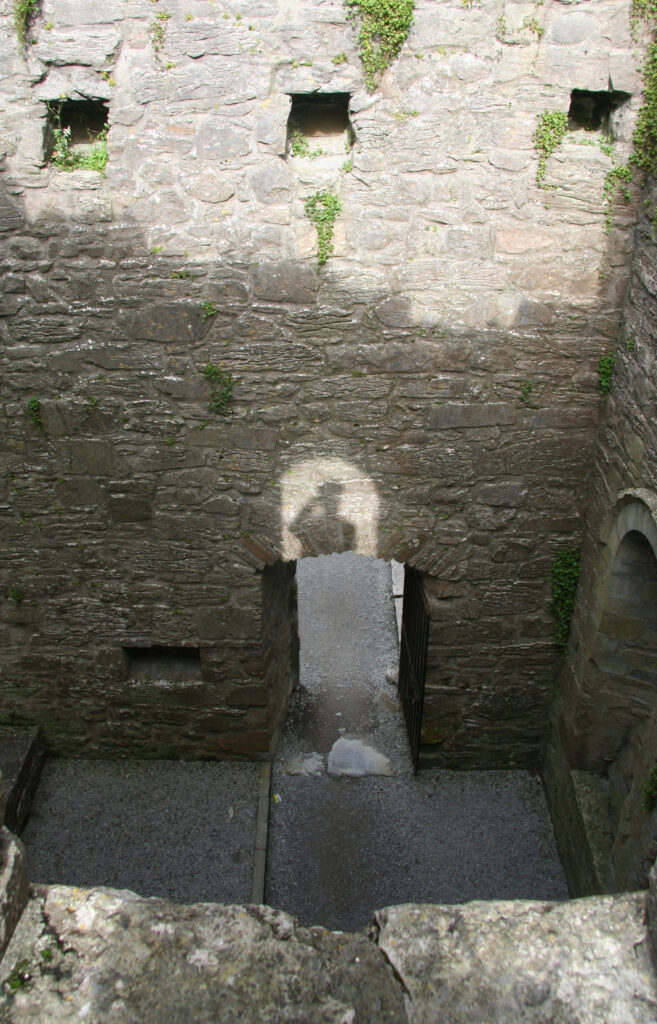
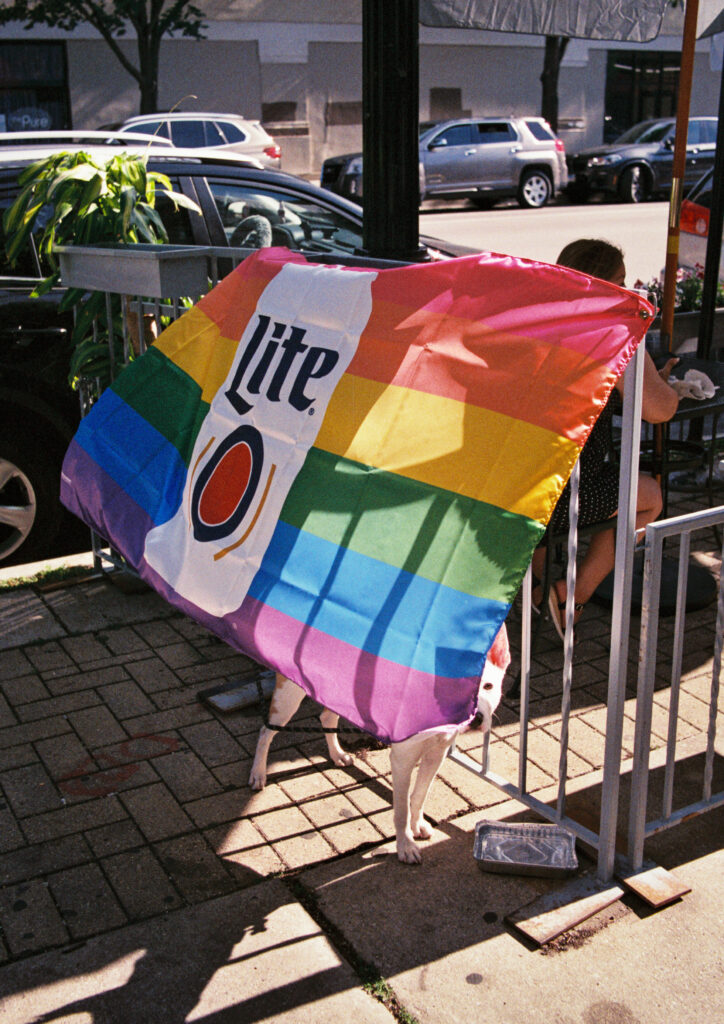
Oh right, the whole impetus for emailing you was to ask about how you collect, store, and organize your visual materials for inspiration and review. Also, what’s up with this photo you posted and this bizarrely similar, more slapdash iteration of the same concept I photographed twelve years ago? Like, what? Why? Is this a thing??
That image cracked me up, and to see that you have encountered a similar model cracks me up. That brings me as much pleasure as someone spray-painting the word Porsche on the side of a Ford Tempo.
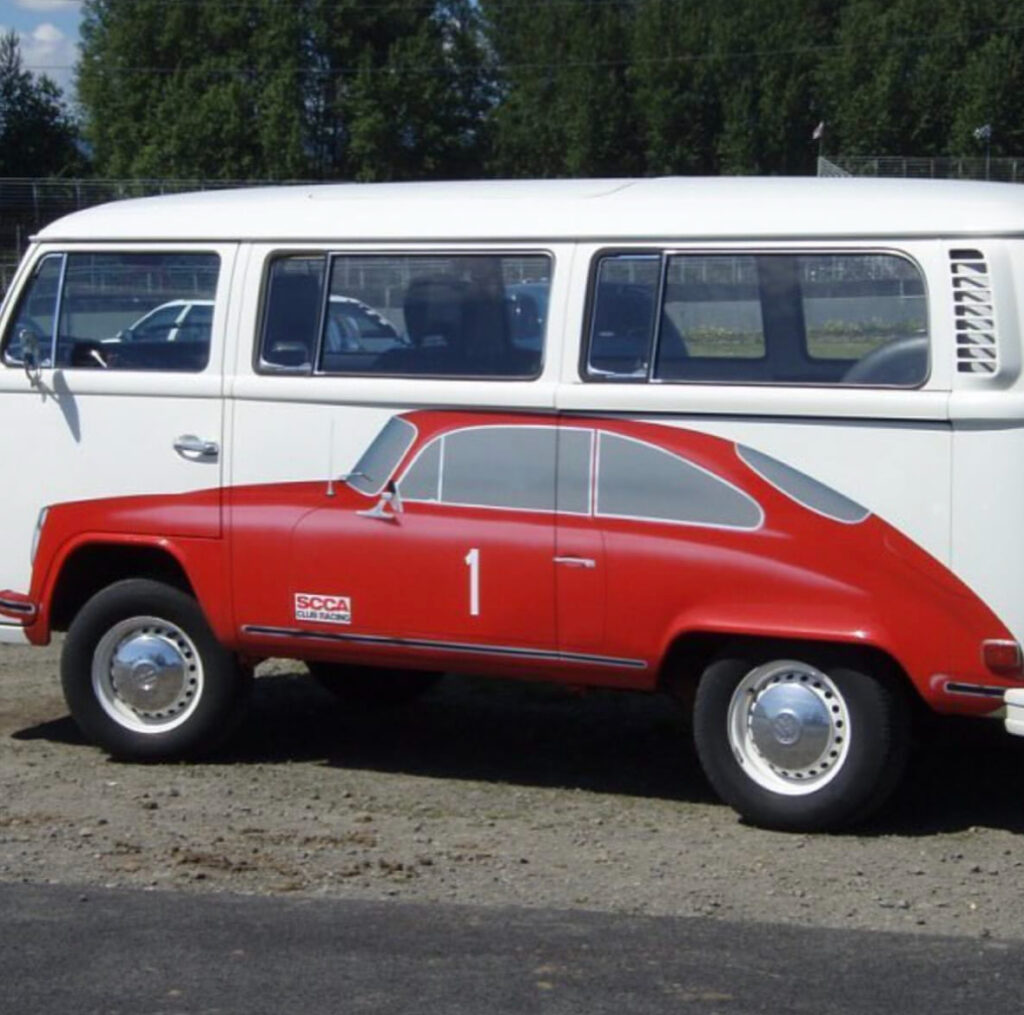
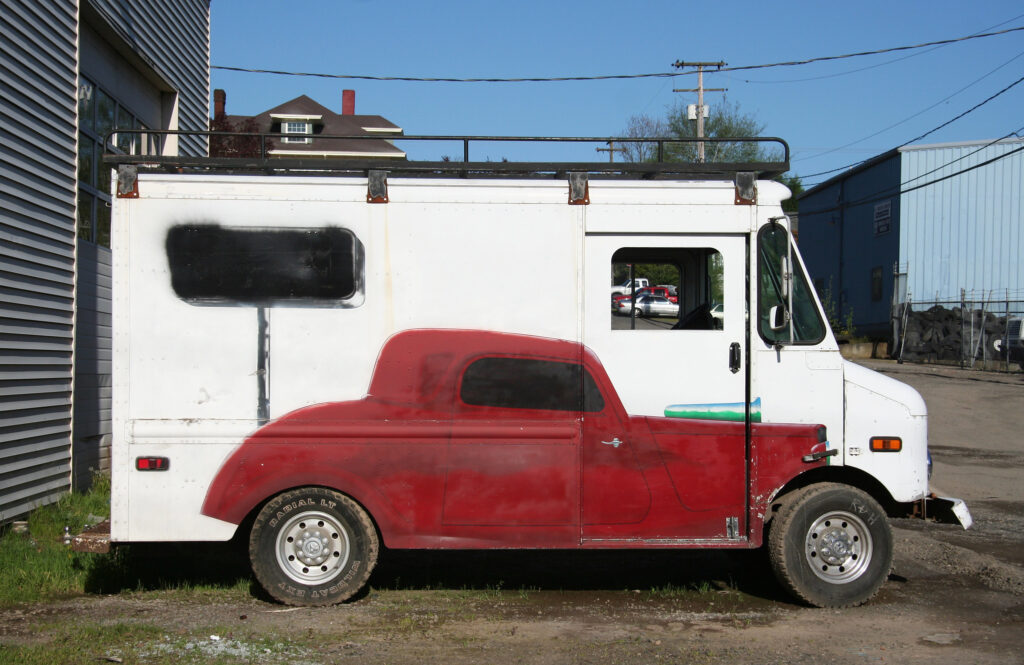
Back when I first got my own computer (an Apple G4—I had high hopes then of possibly exploring a career as a graphic designer), I systematically set about acquiring a deep library of mood board images (mostly old hardboiled novel cover art and the paintings of Toshio Saeki) mainly as Apple had this great feature where it would turn saved photos into a cycling screensaver.
In later years, I became obsessed with a blog that prefigured both Tumblr and Instagram—If Charlie Parker Was a Gunslinger. It was basically a mood board site that got updated daily with anything and everything the bloggers who contributed were obsessed with, everything from pics of various artists and writers and film directors to screen shots to fine art to comic book panels to you name it, and it was meticulously indexed, which made for endless scrolling.
A lot of the time, I had no idea who the people were who were pictured, but I would look them up and then explore, so it had a lot to do my burgeoning tastes.
Since then, I have always maintained an active folder of pics that hit that just right button for me of cultural interest, aesthetic perfection, erotic potential, or dada-esque irrational hilarity. Of course, I have a recurring problem of cats wrecking my external hard-drives by knocking them over, forcing me to start all over again, but that’s half the fun.
I abhor all forms of organization, which means anytime I am looking for a book on the shelf or a saved pic on my computer, it’s a real journey, and half the time I forget what I was looking for as I find something else that distracts me.
So I feel I should ask a question in response to this (being only fair)–what led to your interest in this area? I always find it interesting how people’s tastes develop and what acts as the initial trigger.
At 43, I sometimes feel like I’m just beginning to develop taste, but I mean that in a net positive way. One of my favorite anecdotes is about David Letterman calling “Everlong” his favorite song, which doesn’t seem odd until you do the math and realize that it came out when he was 50 years old. How unusual and open to the world one must be to find one’s favorite song after you turn 25, much less while recovering from heart surgery in middle age! Another of my favorite anecdotes is about the time my friend Mike, feeling a little exasperated with me, laid me bare by saying “when Brendan acquires a taste, he feels that the world has defeated him.”
To the latter point, an ex of mine used to get very weary of my complete disregard for dressing myself in anything but t-shirts and ragged cargo pants. Because I can be pretty mulish, it was only after we broke up that I allowed myself to furtively google “how to wear clothes adult man” and came across Put This On. That led me to Derek Guy, back in the days before he was a social media phenomenon, and he in turn tipped me off to the aesthetics of Popeye, Akamine Yukio, Brut Archives, David Marx’s Ametora, Emilie Casiez (and thereby the beautifully unhinged captions of Nigel Cabourn), FRUiTS, Wooden Sleepers, etc etc.
That list might make it sound like I am constantly getting off choice fits when the reality is that I have worked from home for five years and almost never wear a belt. But I suppose the takeaway is that RSS feeds in the declining era of the fashion blog allowed me at last to consider self-cultivation as a project I could pursue.
Wait, strike everything I said earlier. Now that I think about it, the actual seed of all my interest in the audible, visual and physical—many years though it took to germinate—was Hackers (1995), costume design by Roger Burton, my favorite movie for almost 30 years.
I certainly did not grow up organically knowing any of this stuff. I was a skater teen and grew up versed in the fashion rules of that set. Later that shifted to dressing like a slightly nerdy britpop / indie rock guy (big shock I know). I suspect that it was in my 20s that I systematically began trying to make some sense of how to dress better and looking things up online. That started as more of a post-mod Britpop thing (lots of Fred Perry and Ben Sherman and parkas and all that) before transitioning into ivy, button downs and khakis that didn’t strangle my thighs. That meant a lot of time on message boards, which was great for learning things and also for realizing that I have zero patience for bizarre online troll wars. At a certain point, I just stopped posting things myself and just lurked for the good intel so as to avoid all that other weird, unhealthy online behaviour.
Put This On came late in the game for me. I had already mostly figured out my game by then, but it was a welcome discovery. First, the writing on that and Derek Guy’s solo Die, Workwear! blog was among the best writing on menswear to be found anywhere. I grew up reading GQ and Esquire, and while I still read those magazines, their advice is often dead-on-arrival, being a mix of extremely au courant fashion updates or very blatant advertorial to sell clothes, which I get since the bottom fell out of magazines long ago (they still both publish great features though, so I don’t sleep on them). Second, I am also fanatical about Ryan Smith and Dick Carroll’s comic strips.
Of course, Die, Workwear! deserves credit for interviewing Yukio Akamine, who gave the best advice on menswear I have ever read: “You don’t have to read fashion magazines. Open the window and look outside when you wake up in the morning. A man who can cook rice is a hundred times cooler.”